REVIEW · CARTAGENA
Mangroves, cultural fishing, black heritage town and lunch
Book on GetYourGuide →Operated by Cartagena Adventures · Bookable on GetYourGuide
Mangroves and Afro-Caribbean culture in one short trip. This is a 3-hour tour from Cartagena to La Boquilla, where you’ll glide through mangrove tunnels and learn how Afro-Caribbean heritage shapes daily life in the area.
I love two things most: the hands-on feel of the fishing experience, including casting the nets with local help, and the lunch that actually tastes like the region—coconut, local seasonings, and fresh seafood served after the boat ride.
One possible drawback: the timing can feel a bit tight, and guide language quality can vary by group. In one case, the English wasn’t fully fluent until a translator joined, so it helps to go in with patience if you’re strict about language.
In This Review
- Key highlights that make this tour worth your time
- Why La Boquilla mangroves feel different than the typical Cartagena scene
- The drive from Cartagena: small time investment, big context
- Boat through the mangrove forest: what you’re actually doing out there
- Cultural fishing that’s more than a photo stop
- La Boquilla’s Afro-Caribbean heritage: what you should look for
- Lunch by the beach: coconut seafood that actually makes sense here
- Timing and pacing: the “3 hours” reality check
- Who should book this tour (and who might skip it)
- Price and value: is $49 a fair deal?
- Should you book this Cartagena mangrove, fishing, and heritage experience?
- FAQ
- How long is the experience?
- How much does it cost?
- What’s included in the tour price?
- Is hotel pickup and drop-off included?
- Where do we meet?
- What languages is the tour guide available in?
- What should I bring and what ID do I need?
- FAQ (continued)
- Can I cancel and get a refund?
Key highlights that make this tour worth your time
- Mangrove boat ride with bright tunnel views under dense foliage overhead
- Hands-on cultural fishing where you can try tossing or casting nets
- La Boquilla’s Afro-Caribbean identity is part of the story, not a side note
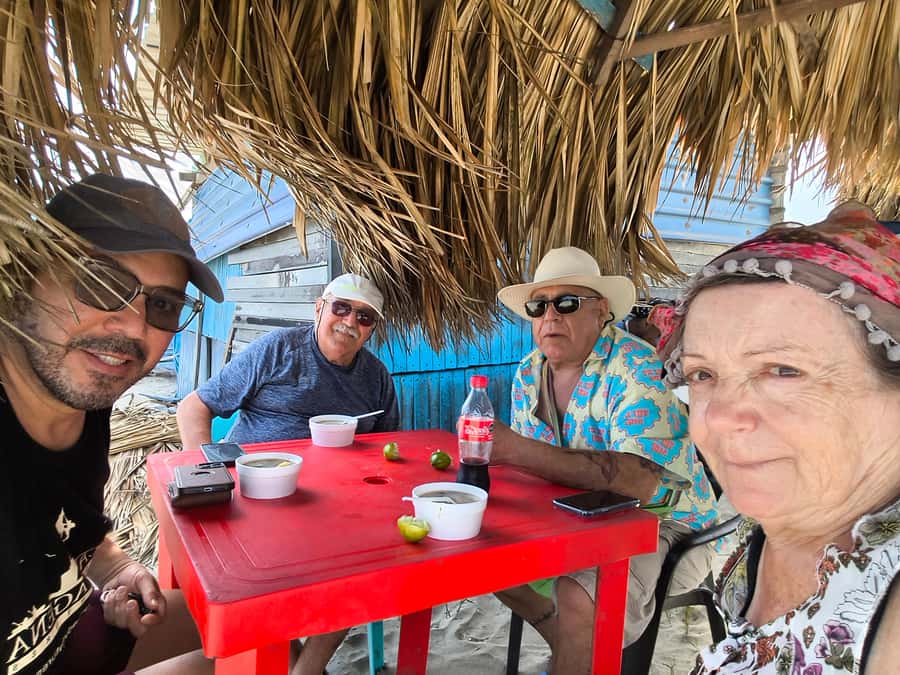
- Coconut-forward lunch with Caribbean seasonings and locally caught seafood
- Short village walk on return to stretch your legs before heading back to Cartagena
- 3-hour private group format for a more conversational feel with the guide
Why La Boquilla mangroves feel different than the typical Cartagena scene
Cartagena gets most of the spotlight, but the edge of the city holds something more lived-in. La Boquilla is close enough that you still get a half-day outing, but far enough to feel like you’ve stepped into a different rhythm. The big draw here is that the mangroves aren’t just scenery. They connect you to local livelihoods and community pride in Afro-Caribbean roots.
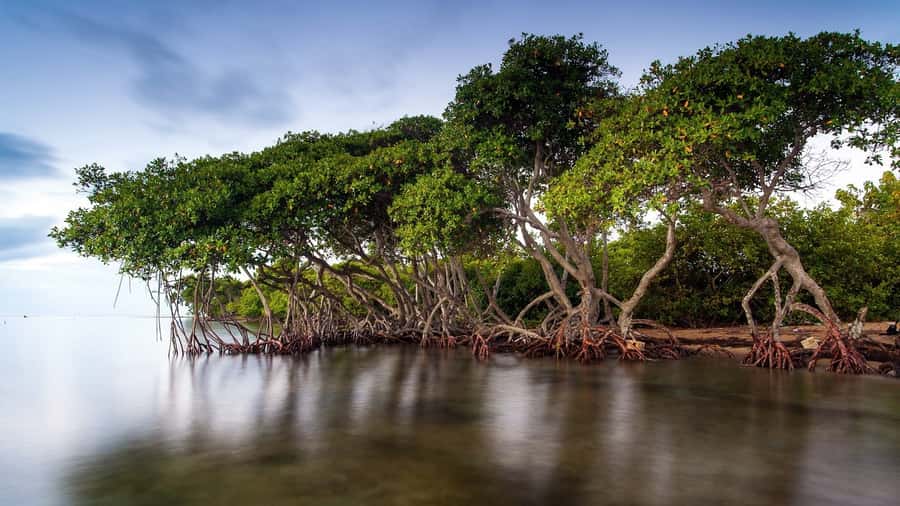
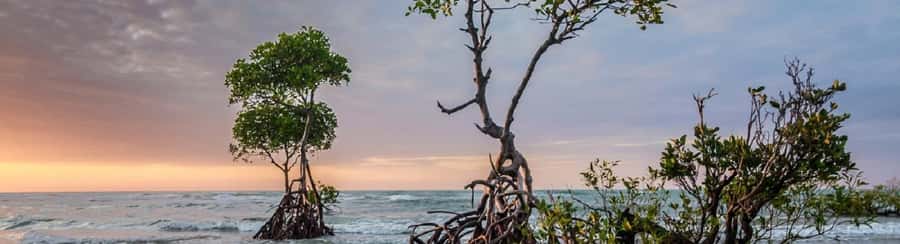
On the boat, the mangrove forest changes how you see the water. Dense foliage creates that tunnel effect—bright patches of light above you, darker green walls around you. It’s the kind of setting where you slow down. You’ll also keep your eyes open for local swamp wildlife, since this ecosystem is the home for many animals native to the region.
If you like experiences that mix nature and people in the same morning, this is built for you. It’s not a long expedition. It’s a focused cultural stop with a real setting.
You can also read our reviews of more tours and experiences in Cartagena.
The drive from Cartagena: small time investment, big context
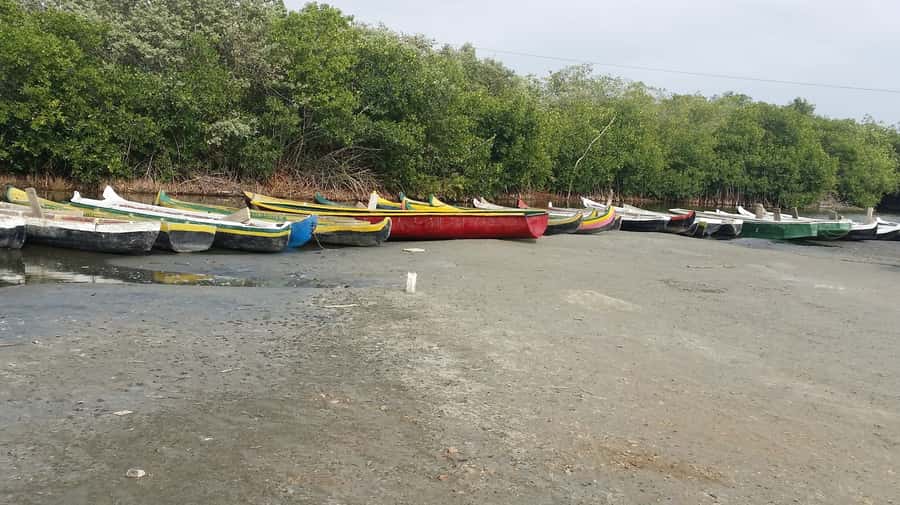
The tour starts at Crespo Calle 70 in Cartagena (Favipan Crespo). Then you head out toward La Boquilla. Even though it’s just transportation, the ride matters because it frames what you’re about to see: a fishing village that still holds onto Afro-Caribbean heritage from the days when the area was known as a refuge for freed slaves.
In a short time, you’ll understand the “why” behind what you’re doing later. The area’s identity isn’t presented as a museum label. It’s part of how people move, work, and celebrate. And you’ll notice that the culture shows up in sound too—percussion and rhythm feel like they’re in the background of daily life, not something staged for tourists.
A small heads-up: hotel pickup isn’t included. If you’re staying outside easy reach of the meeting point, you’ll want to plan your own way to Crespo Calle 70.
Boat through the mangrove forest: what you’re actually doing out there
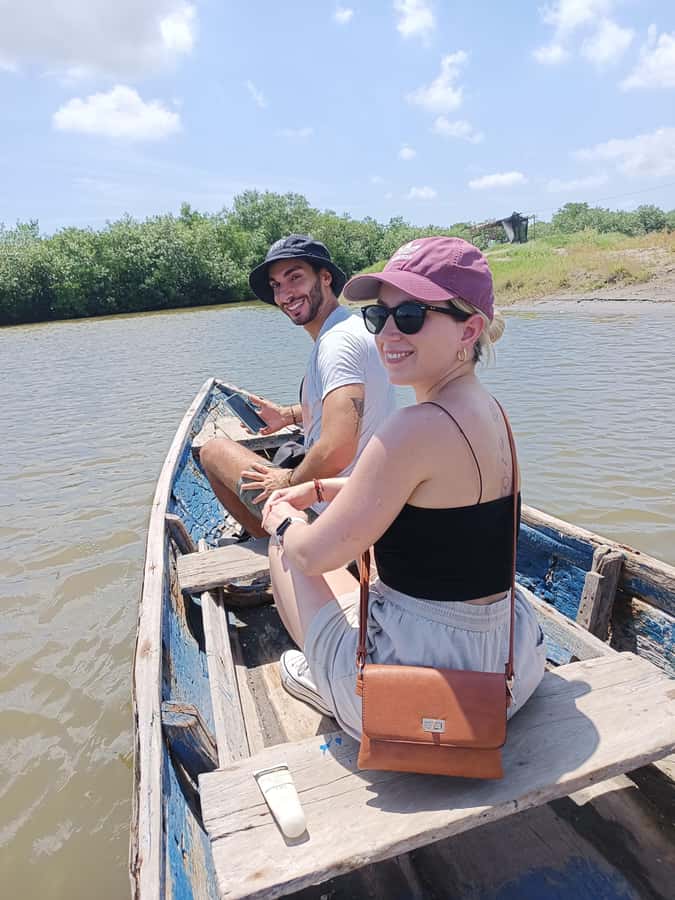
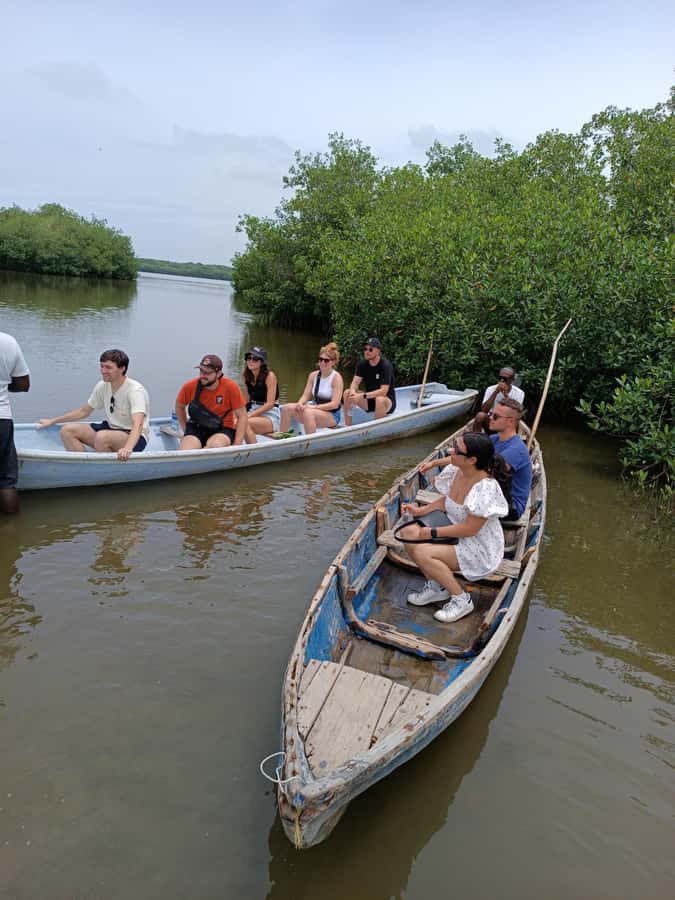
Once you reach the water, the tour turns into movement. You boat through the mangrove ecosystem, passing dense foliage that forms those leafy corridors. This is the part where the setting becomes the experience. You’re not just looking at nature from a distance. You’re traveling through it at human speed.
Your guide points out how the mangroves function and what people pay attention to while working in and around the swamp. You may also see fishermen pulling in nets, which adds a practical layer to the “pretty” side of the mangroves. It’s a good reminder that these wetlands are working landscapes—places where livelihood and environment overlap.
Wildlife spotting can be hit-or-miss depending on the time of day and conditions. Still, the expectation is clear: watch for animals native to the region while you pass through the mangrove channels.
If you’re prone to motion discomfort, wear comfortable clothes and keep water handy. This is a short ride, but you’ll still be on a boat for part of the time.
Cultural fishing that’s more than a photo stop
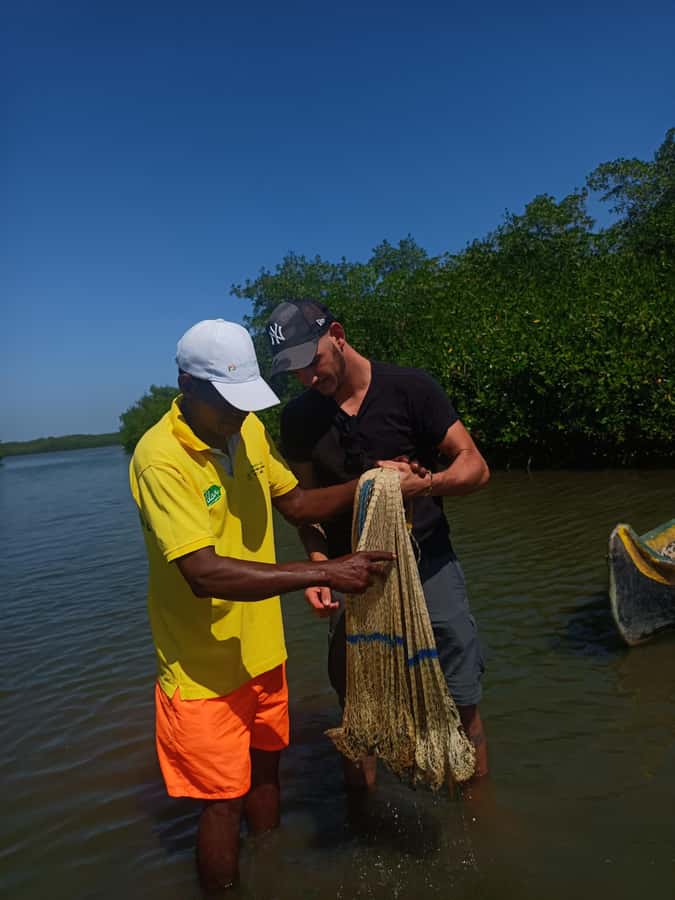
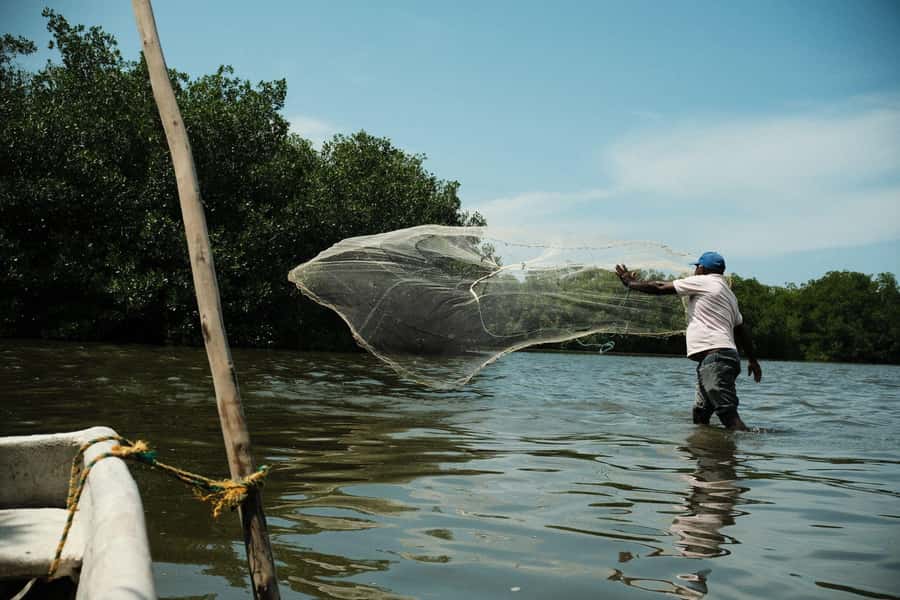
This tour’s biggest selling point for many people is that it doesn’t keep fishing behind glass. You get a practical taste of it. After the mangrove portion, you may get the chance to try traditional fishing methods with a local fisherman—often including throwing or casting nets.
Reviews describe it as fun but not effortless. Casting nets takes a bit of coordination, and it’s harder than it looks when you’re standing there with a loose goal: try, adjust, try again. That hands-on moment is where the cultural component becomes real. It’s not just learning names and dates. You’re doing a small piece of the work.
In one experience, the guide involved the group in casting the nets a few times before moving on. Another group mentioned they learned how the system works and had a brief but active window to participate.
Two notes for your expectations:
- The fishing portion is likely short in a 3-hour overall schedule, so you shouldn’t expect a long lesson.
- Some groups felt the pace was a little rushed, meaning you might not get unlimited practice.
Still, for $49, the value comes from the mix: mangroves plus active fishing plus a real community setting.
La Boquilla’s Afro-Caribbean heritage: what you should look for
The story here isn’t generic “culture talk.” It’s tied to a community identity with clear roots. The area has retained Afro-Caribbean heritage from the period when it was known as a haven for freed slaves. That matters because you can feel the difference between visiting a culture and encountering a culture that still shapes daily life.
As you move through the village atmosphere and talk with locals through the guide, notice how the community treats its identity with pride. This isn’t a performance. Even the kids’ connection to percussion and rhythm shows up as part of the environment.
If your travel style is respectful and curious, you’ll get more from this than a checklist traveler. Ask questions about what people do, how they learned it, and how the mangroves shape the fishing schedule. Guides can help connect the dots, especially in the English or Spanish they’re most comfortable with.
Lunch by the beach: coconut seafood that actually makes sense here
After the mangrove and fishing time, you’ll go for lunch. This is typical Afro-Caribbean cuisine, and the flavors lean into what Caribbean coastal cooking does well: coconut, local seasonings, and fresh seafood.
A lot of the satisfaction seems to come from how the meal fits the rest of the day. You’re not eating in a random restaurant that could be anywhere. You’re eating after you’ve been on the water and in the village setting, so the food feels tied to the place.
That said, lunch timing and preference vary. Some people loved it and said it was included and perfect. Others felt lunch was only okay and would have preferred more time after the mangrove portion. In other words: it’s part of the package, and for many it’s worth it, but it’s not guaranteed to be everyone’s favorite segment.
One practical tip: take the short beach walk after lunch to settle your stomach and reset your energy. It also gives you a moment to see the seaside atmosphere without rushing right back into transit.
Timing and pacing: the “3 hours” reality check
This tour is listed as a 3-hour experience, and that short time shapes everything. You get:
- transportation from your meeting point and back
- mangrove boating
- cultural fishing participation
- lunch
- a short walk in the village
That’s a lot of stops for half a morning or afternoon. In at least one account, the boat time and lunch time felt a bit under what people hoped for, and the guide appeared to be keeping an appointment schedule after the group.
What it means for you: if you want a slow, unhurried day, this may feel compressed. If you like a well-packed taste of a specific place, you’ll likely enjoy it.
Who should book this tour (and who might skip it)
Book it if you want:
- a short tour that combines mangroves + Afro-Caribbean culture + food
- a chance to try traditional net fishing methods, not just watch
- a private-group feel with time to talk with your guide
- a half-day plan that gets you out of central Cartagena without needing a full-day commitment
You might skip it if:
- you only want wildlife viewing with longer boat time
- you’re very sensitive to rushed schedules
- you need very polished English interpretation every minute (language fluency can depend on the guide and group)
If you’re traveling with kids, this can also be a strong option because the setting and rhythm of village life feel tangible. Just remember the tour is still short and involves boats and walking.
Price and value: is $49 a fair deal?
At $49 per person for about 3 hours, you’re paying for more than a boat ride. You’re buying:
- transportation from the Cartagena meeting point and back
- lunch included
- a local cultural context around La Boquilla and Afro-Caribbean heritage
- a guide in English and Spanish
- a private-group format
If you’ve done Cartagena tours before, you know how quickly prices jump when food and transport are folded in. Here, lunch and transport are part of the package, which helps the math.
The one thing to keep in mind is that the time is tight. You’re not paying for an all-day immersion, so you should treat it as a concentrated introduction with hands-on moments—especially the net casting attempt—rather than a long deep lesson.
Should you book this Cartagena mangrove, fishing, and heritage experience?
I think it’s a solid pick if your priorities are short, real, and hands-on. The mangrove tunnel boat ride plus the chance to try traditional fishing gives you a more active story than most “look and learn” tours. And the included coconut-and-seafood lunch is the right kind of payoff after being out on the water.
If you want a relaxed pace, or if you’re traveling with strict language needs, you’ll want to go in with reasonable expectations about timing and interpretation. But if you’re flexible and curious, this is exactly the kind of day that makes Cartagena feel less like a postcard and more like a living coast.
FAQ
How long is the experience?
The duration is 3 hours.
How much does it cost?
The price is $49 per person.
What’s included in the tour price?
Lunch is included, along with a short walk in the village. Transportation from the meeting point and return to the meeting point is also included.
Is hotel pickup and drop-off included?
No, hotel pickup and drop-off are not included.
Where do we meet?
The meeting point is Crespo Calle 70, Cartagena, Bolívar, Colombia (Favipan Crespo).
What languages is the tour guide available in?
The live tour guide is available in English and Spanish.
What should I bring and what ID do I need?
Bring a passport or an ID card, plus comfortable shoes and comfortable clothes.
FAQ (continued)
Can I cancel and get a refund?
Yes. You can cancel up to 24 hours in advance for a full refund.