REVIEW · CARTAGENA
Cartagena: Mangrove Eco Tour & Fishing with Transportation
Book on GetYourGuide →Operated by EXPERIENCES CARTAGENA · Bookable on GetYourGuide
Cartagena mangroves feel like a different planet. This 2-hour trip takes you to the mangrove ecosystem of La Boquilla (about 15 minutes from the historic center) where you’ll learn why these muddy forests matter, and then you’ll try traditional fishing techniques up close.
What I really like is the combo: a calm nature boat ride plus real hands-on fishing and community life, guided by locals who can explain both the ecosystem and the culture in English or Spanish. Second, I love the small touches that make it feel less like a checklist, like the welcome 100% natural drink (often coconut-based) and the cultural stop with drums and music.
One possible drawback: it’s a short tour, and parts of the boat time can get hot since not everything is shaded. Also, if your afternoon plans are tight, keep a little buffer because traffic can shift the timing.
In This Review
- Key points at a glance
- Cartagena Mangroves and La Boquilla Culture: Why This Trip Works
- Pickup, Timing, and the Real-World 2-Hour Pace
- First Stop in La Boquilla: Mangrove Basics and Wildlife You Might Spot
- The Natural Island Stop: Where Community Life Shows Up
- Viewpoint Time: How the Scenery Becomes Part of the Lesson
- Traditional Fishing the Sustainable Way: Nets, Traps, and Practical Skills
- The Fisherman Island Entrance and the Culture Add-On
- Who Leads You: Bilingual Guides and Community Hosts
- Price and Value: What You’re Really Paying For at $55
- Heat, Small Risks, and How to Prepare
- Who This Tour Suits Best (and Who Might Skip It)
- Should You Book This Cartagena Mangrove Eco Tour?
- FAQ
- How long is the Cartagena Mangrove Eco Tour & Fishing experience?
- Where does the tour take place?
- What’s included in the price?
- What languages is the tour guide available in?
- Can I cancel and get a full refund?
- Is there an option to book now and pay later?
- What can I expect to do during the tour?
Key points at a glance
- La Boquilla mangroves by boat: guided stops inside a living coastal ecosystem
- Sustainable fishing practice: learn nets and traps in an environmentally friendly way
- Natural welcome drink: a local beverage right when you arrive
- Cultural music and drumming: drums and a chance to join the rhythm
- Pickup and drop-off in Cartagena: helps you avoid awkward return logistics
- Crab and fish activities included: more than just watching
Cartagena Mangroves and La Boquilla Culture: Why This Trip Works
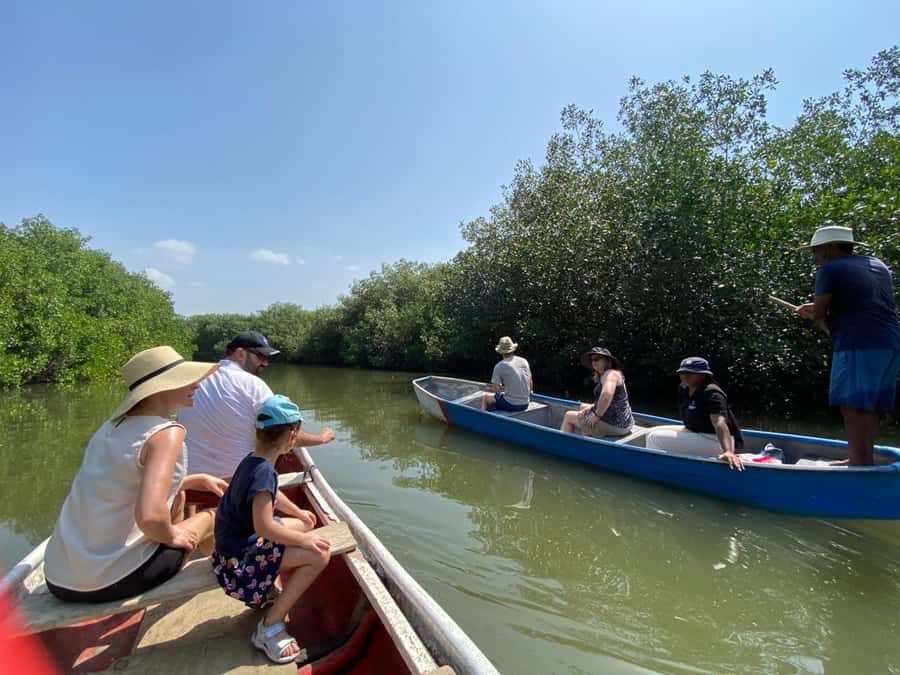
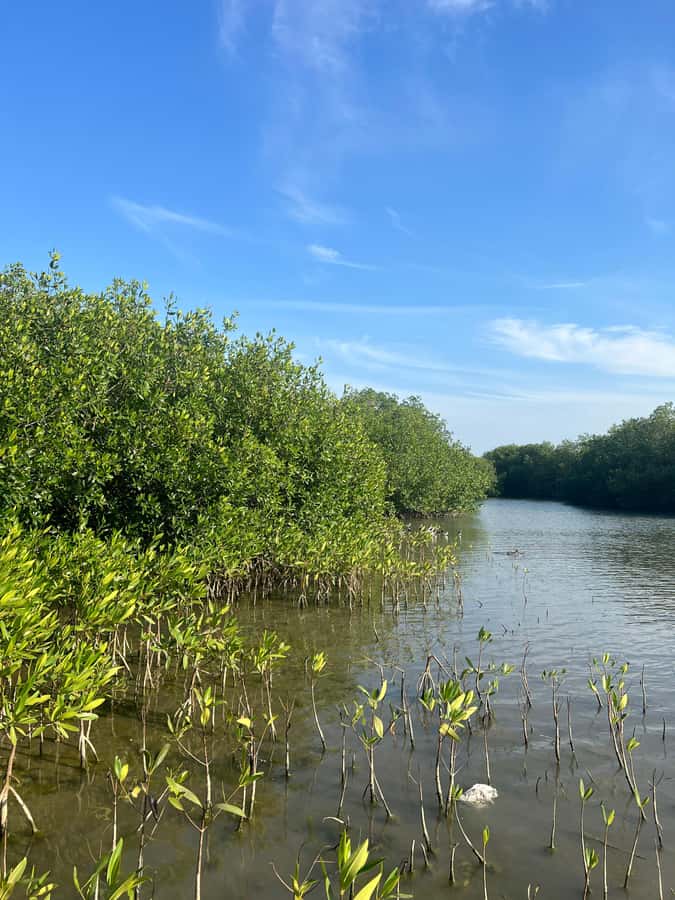
If your Cartagena plans are all about colonial streets and rooftop views, this tour is a smart detour. You’ll trade city noise for a slower, greener world where the mangroves serve as nurseries for marine life and a shield for the coast during big weather events.
The best part is that you don’t just hear facts. You’re guided through the ecosystem first, then you get a practical lesson on how locals fish in a way meant to protect the resources they rely on. That pairing is rare in tours that usually stop at scenery.
You can also read our reviews of more tours and experiences in Cartagena.
Pickup, Timing, and the Real-World 2-Hour Pace
This experience includes pickup and drop-off around Cartagena. The usual rhythm is that a driver comes about 15 minutes before, then you’re taken to the starting point. Once you’re done, you get returned back to your hotel or to the location you used for pickup.
The whole experience is designed around a 2-hour window, which keeps it doable even on a busy day. The trade-off is that you’ll be doing several short segments (guided boat time, an island/stop, fishing instruction, culture/music), not one long deep immersion.
A practical note: one reason people love the transportation option is because getting back can be tricky if you’re relying on taxis or public transit at the edge of the area. If you don’t want to think about logistics at the end, choose pickup/drop-off.
First Stop in La Boquilla: Mangrove Basics and Wildlife You Might Spot
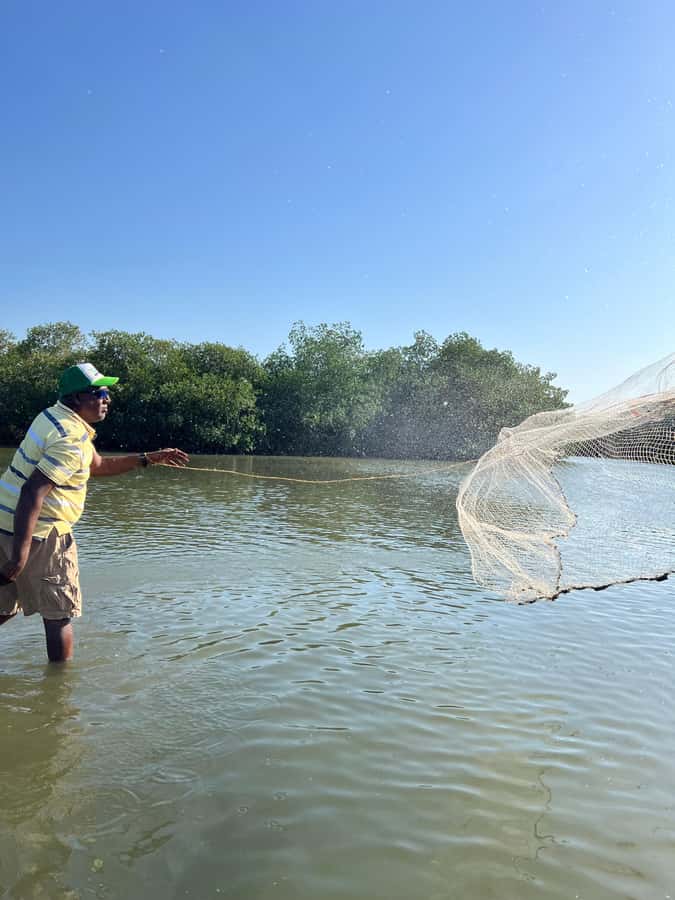
Your tour starts in La Boquilla, where you get a guided orientation before the activity part really kicks in. Expect an explanation of why mangroves are such a big deal: they protect coastlines, reduce impacts from storms, and support lots of plant and animal life.
This is also where you get your orientation on what you’re seeing. Mangroves look deceptively simple from a distance, but up close they’re a whole habitat system. You’re guided through that logic step by step, so the next stops make sense.
In many tours like this, you’re mainly looking for birds and small wildlife moving around the water and roots. Your guide may point things out as you go, and you’ll get context for what they mean ecologically rather than just a name-and-point approach.
The Natural Island Stop: Where Community Life Shows Up
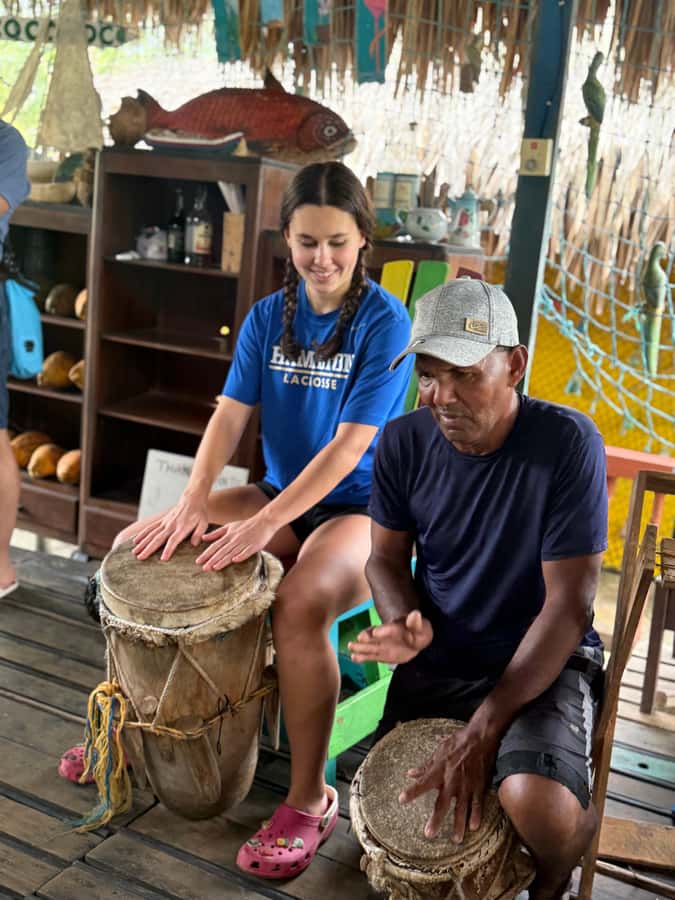
Midway through, you visit a natural island in the mangrove area. This stop is where the tour shifts from pure ecology to community connection. You’ll learn about some of the community’s own activities and how they relate to the mangrove ecosystem around them.
It’s a good moment to slow down. The mangrove environment can feel like a moving classroom: water, plants, and living creatures all working together. And because this stop is inside the same natural system you’ve been learning about, it doesn’t feel like a random detour.
Viewpoint Time: How the Scenery Becomes Part of the Lesson
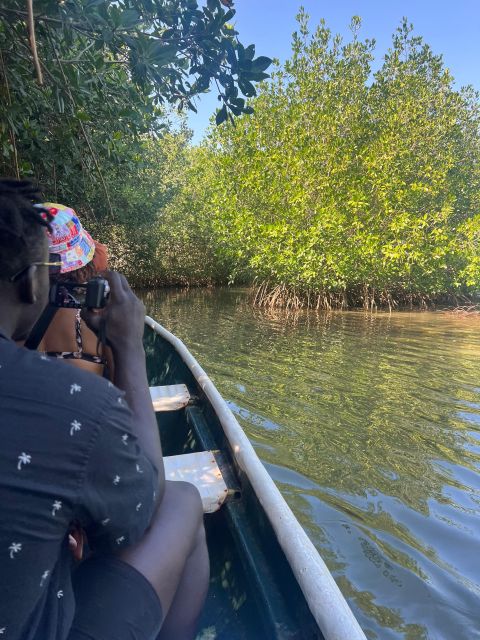
After the island stop, the itinerary includes time at a viewpoint with guided commentary. This is one of those segments that sounds optional until you’re there. A viewpoint helps you connect the dots between what you’re doing right now (casting nets, learning techniques) and what the ecosystem actually looks like as a whole.
You’ll also get a clearer sense of how expansive mangroves can be. From the edges, it’s hard to judge scale. From inside, the mangrove system feels larger and more interconnected than it does from the road.
Traditional Fishing the Sustainable Way: Nets, Traps, and Practical Skills
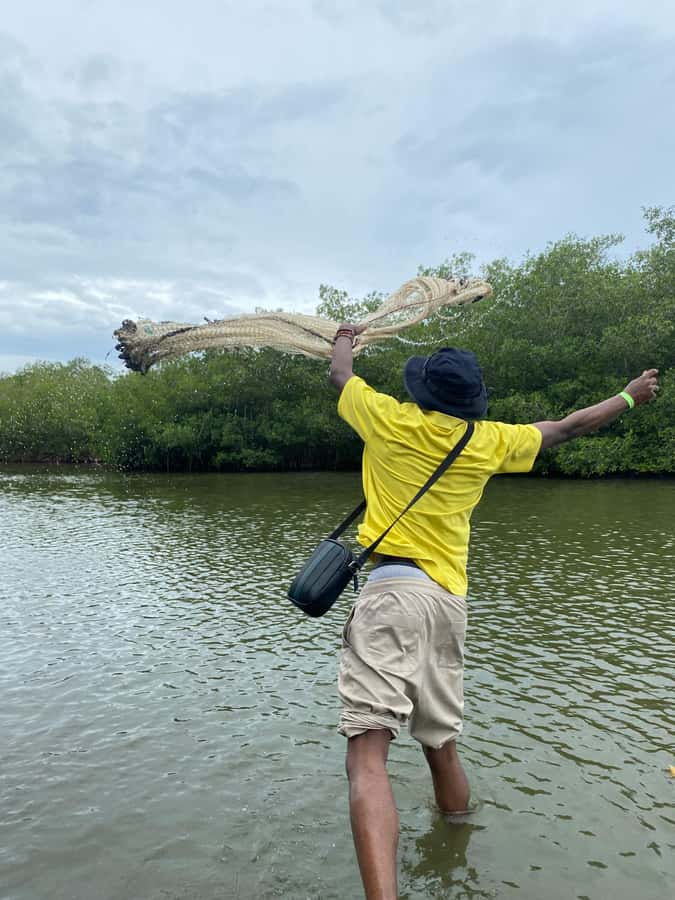
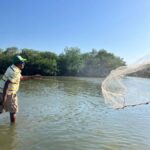
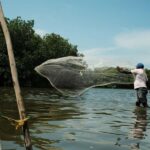
This is the heart of the experience. You’ll get instruction on traditional fishing techniques used by the Afro-descendant community of La Boquilla, with an emphasis on sustainability and respect for natural resources.
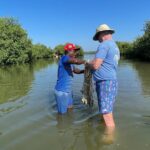
You’ll practice using nets and traps in an environmentally friendly way. You’re not just standing back and watching. You’ll learn how the tools work and how locals approach fishing as something tied to seasonal conditions and long-term resource care.
You may also do fishing-style activities that include artisanal crab and fish fishing. The goal is participation with local guidance, so don’t worry if you’re new to this. In fact, many people find it fun specifically because it’s harder than it looks and you get to try multiple attempts.
One more thing: fishing by hand in a mangrove environment can mean getting a little messy, and you’ll feel sun and humidity. Come ready to be active, not delicate.
The Fisherman Island Entrance and the Culture Add-On
The tour includes entrance to the Fisherman Island area. On top of the environmental and fishing content, you’ll experience a cultural component tied to the same community.
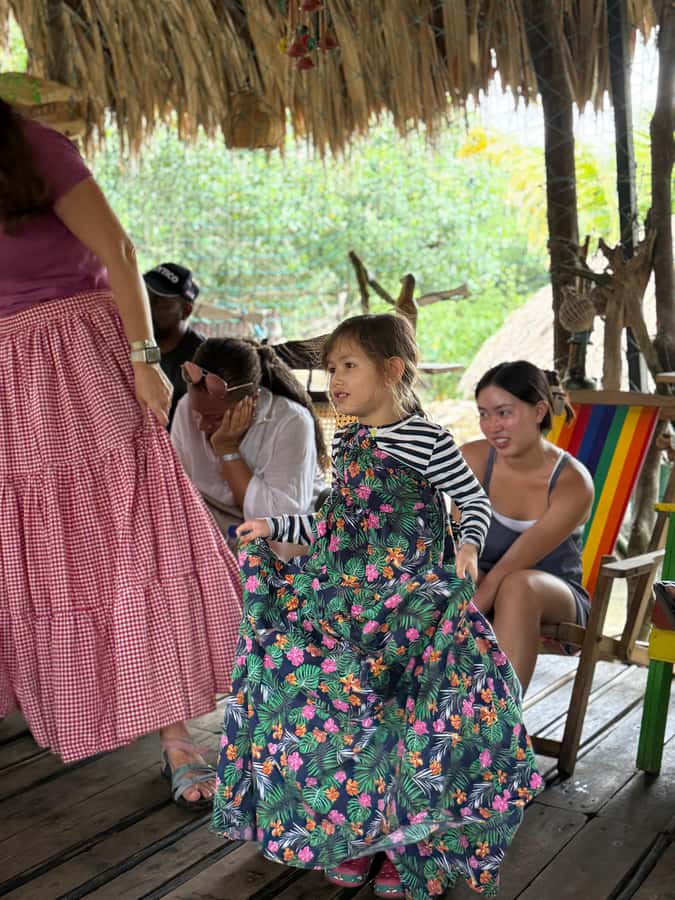
Many tours stop at a photo op. This one adds hands-on culture: drum sampling and music time, and you may even have a chance to dance along with musicians. One of the best parts is that the cultural piece feels connected to the setting rather than pasted on at the end.
People often mention how friendly the guides and fishermen are during these moments. That matters because it changes the tone. Instead of feeling like a performance for tourists, it feels like you’re being welcomed into a small slice of community life.
Who Leads You: Bilingual Guides and Community Hosts
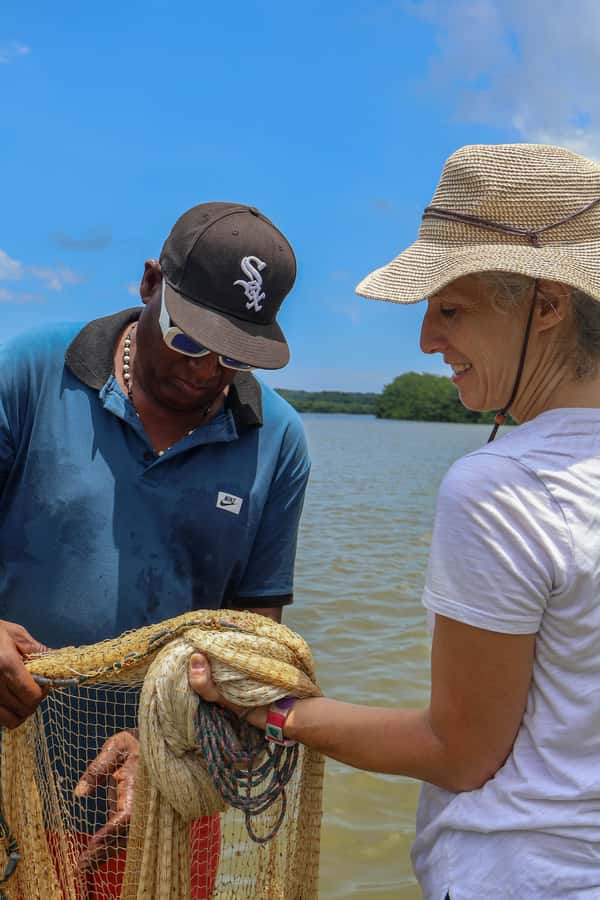
The tour runs with native bilingual guides (English and Spanish). Names show up often in the guide team, including Yeimy, Jaime/Jamie, Yemi, Andres, Yamil, Enrique, Camil, Ariel, Jamil, and Romeiro.
You don’t need to memorize names, but it’s good to know the guides are community-connected and tend to bring energy to both the teaching and the group management. Multiple guides also handle communication across languages smoothly, so you’re not stuck if your Spanish is limited.
If you’re someone who likes explanations, you’ll probably appreciate the way the tour moves between “what this is” and “how people use it.” The fishing instructions and the mangrove ecosystem lessons are paired on purpose.
Price and Value: What You’re Really Paying For at $55
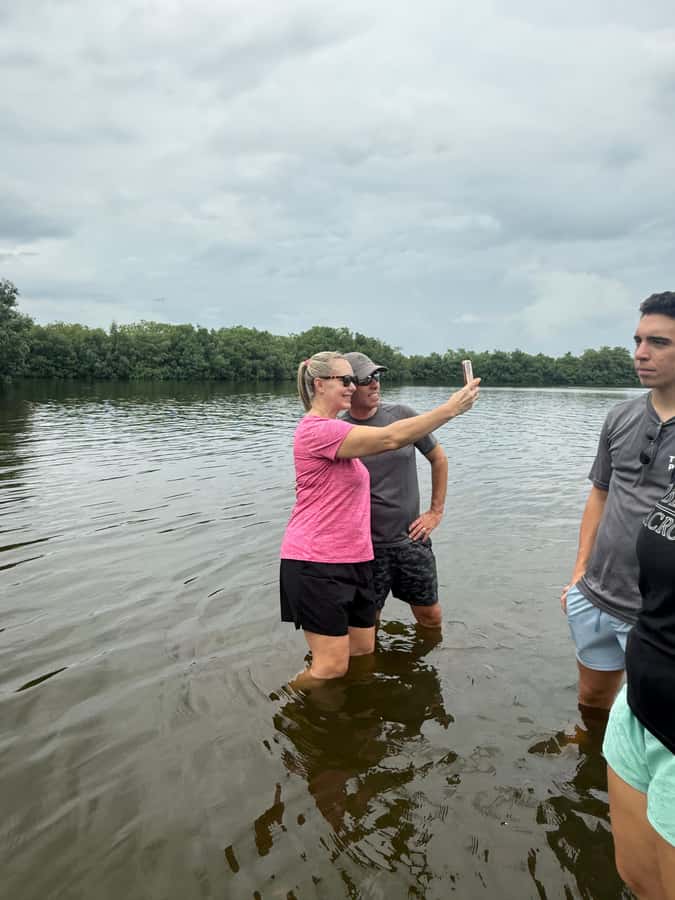
At $55 per person for a 2-hour experience, you’re paying for more than a boat ride. Your money covers:
- Pickup and drop-off around Cartagena
- A welcome natural drink
- A guided mangrove experience with ecosystem education
- Entrance to the fisherman island area
- Bilingual local guides
- Cultural music/drums sampling
- Hands-on fishing-related activities, including crab and fish elements
Value here comes from participation. If all you wanted was scenery, you could do a cheaper outing. But this tour adds structured learning plus practical fishing practice plus culture, and the transportation support removes end-of-tour stress.
It also supports a community-run activity format, which is a big part of why people feel good about booking. You’re spending time with locals who teach and host, not just moving from one viewpoint to another.
Heat, Small Risks, and How to Prepare
Mangroves are outdoors. Expect sun exposure and humidity. Even if the boat provides some relief, parts of the route can feel intense because not everything is shaded. Bring what you’d bring for a beach day: sunscreen, a hat, and water.
Also, fishing instruction can be physical in a casual way. You’ll likely handle nets or traps and learn by doing, so wear clothes that can get a little damp and don’t mind mangrove grit.
Finally, because this is Cartagena, traffic can influence timing. If you have a firm appointment later that depends on you being back exactly on time, give yourself a buffer.
Who This Tour Suits Best (and Who Might Skip It)
This is a great fit if you want:
- A nature-focused Cartagena experience that isn’t just a viewpoint
- Hands-on learning about sustainable fishing
- A culture component that feels tied to place, not tacked on
- A morning-style activity with a relaxed vibe
It might be less ideal if:
- You hate getting outdoors in heat
- You’re looking for a long, slow, hour-after-hour tour
- You prefer purely passive sightseeing without any fishing practice
Should You Book This Cartagena Mangrove Eco Tour?
Yes, if you’re the kind of traveler who likes learning by doing and you want to see a side of Cartagena most people skip. The combo of mangrove ecology, community-guided fishing practice, and cultural drumming makes the tour feel focused without being stiff.
If you do book, I’d pick this for a morning or early session when the heat feels more manageable and the day still feels open. And if transportation is offered in your options, take it. It makes the whole experience smoother from start to finish.
In a city full of beautiful history, this is a different kind of value: it’s living nature, taught by the people who depend on it.
FAQ
How long is the Cartagena Mangrove Eco Tour & Fishing experience?
It runs for 2 hours.
Where does the tour take place?
It’s based in the Bolívar region, with the mangrove area in La Boquilla, about 15 minutes from Cartagena’s historic center.
What’s included in the price?
The tour includes pick up and drop off, a welcome natural drink, entrance to the fisherman island, a native bilingual guide, drum sampling, and artisanal crab and fish fishing activity.
What languages is the tour guide available in?
The live tour guide is available in English and Spanish.
Can I cancel and get a full refund?
Yes. You can cancel up to 24 hours in advance for a full refund.
Is there an option to book now and pay later?
Yes. You can reserve now and pay later.
What can I expect to do during the tour?
You’ll learn about the mangrove ecosystem, visit a natural island in the area, receive instruction on traditional sustainable fishing techniques (including nets and traps), and take part in cultural activities like drums, plus crab and fish fishing activities.