REVIEW · CARTAGENA
Typical lunch on beach, mangrove tour & fishing with natives
Book on GetYourGuide →Operated by EXPERIENCES CARTAGENA · Bookable on GetYourGuide
Mingled salt air and real local fishing. This Bolivar half-day pairs a mangrove canoe tour narrated by natives with hands-on artisanal fishing in the wetlands where locals actually make their living. It is a calm break from the city heat, built around community, nature, and food you eat while looking at the sea.
I also love the way the meal is handled: lunch is cooked by native women in a simple, traditional setup right in front of the water. You start with a 100% natural coconut welcome drink, then settle into a plate that feels both hearty and local.
One drawback to factor in: this is not suitable for mobility impairments, and the mangrove part can involve uneven ground and time on small boats. Also, if you expect a guaranteed big catch every time, keep your expectations flexible since the focus is learning the methods, not a fishing trophy.
In This Review
- Key Things You’ll Notice on This Tour
- From Your Hotel to Laid-Back Mangroves in About 20 Minutes
- Coconut Welcome and a Real First Look at the Water
- Mangrove Tour Through Natural Canals and an Island Built by Locals
- What you should watch for
- Fisherman Island and the Cultural Side You’ll Actually Remember
- Artisanal Fishing Demonstration and Hands-On Net Casting
- 12:30 Beach Lunch: What’s on Your Plate and Why It Feels Special
- After lunch: sink into the beach calm
- Price and Value: Is $84 Worth It?
- Who This Tour Fits Best (and Who Might Want a Different Option)
- Should You Book This Mangroves, Fishing and Beach Lunch Tour in Bolívar?
- FAQ
- How long is the tour?
- What does the tour include?
- Where does pickup happen?
- How do you start the tour after pickup?
- What happens during the mangrove part?
- Do I get to participate in fishing?
- What time is lunch and what’s served?
- Are the guides available in English and Spanish?
- Is this tour suitable for people with mobility impairments?
- Can I cancel for a refund?
Key Things You’ll Notice on This Tour
- Native bilingual guiding (often with guides like Jamie, Yeimy, or Andres) so you can actually follow the story
- A coconut welcome and a warm community greeting before you even hit the water
- Mangrove history plus an island inside the mangroves where different species live
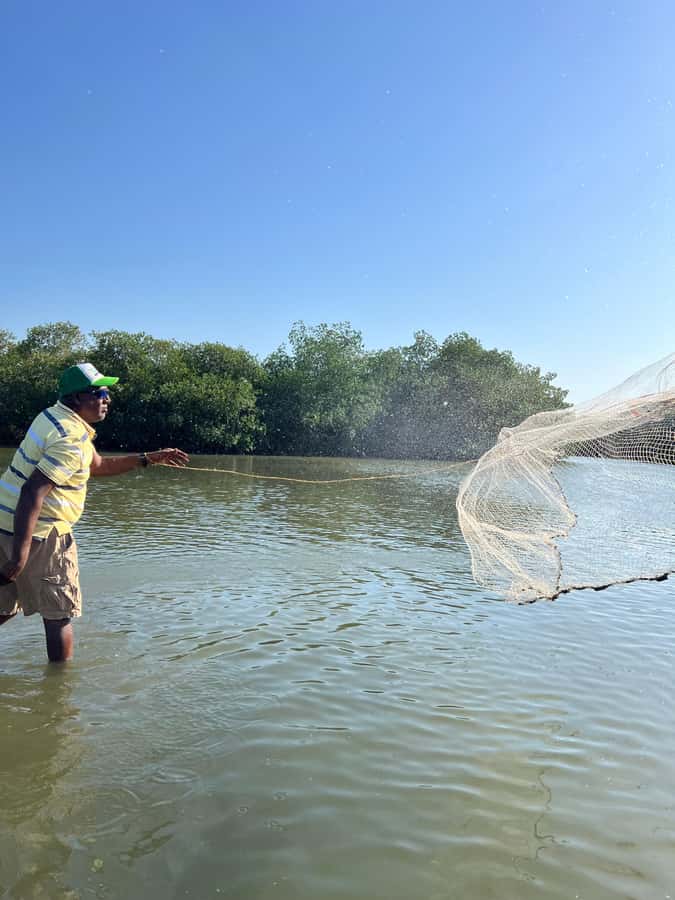
- Artisanal fishing practice including throwing nets and helping with crab-related methods like crab pots/cages
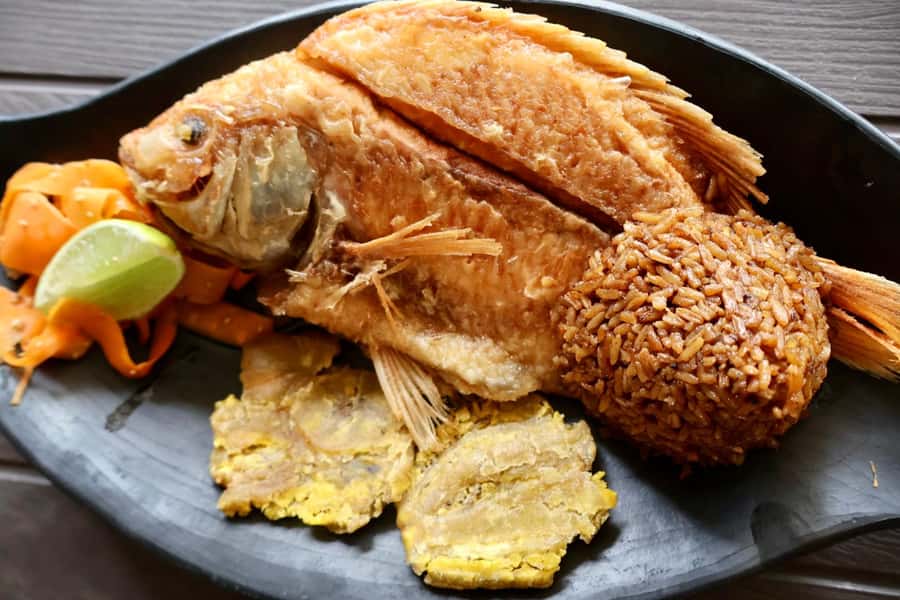
- 12:30 beachside lunch with fried fish, coconut rice, patacones, salad, and fish soup
- Drums and cultural moments (sometimes with added dancing like cumbia and merengue)
From Your Hotel to Laid-Back Mangroves in About 20 Minutes
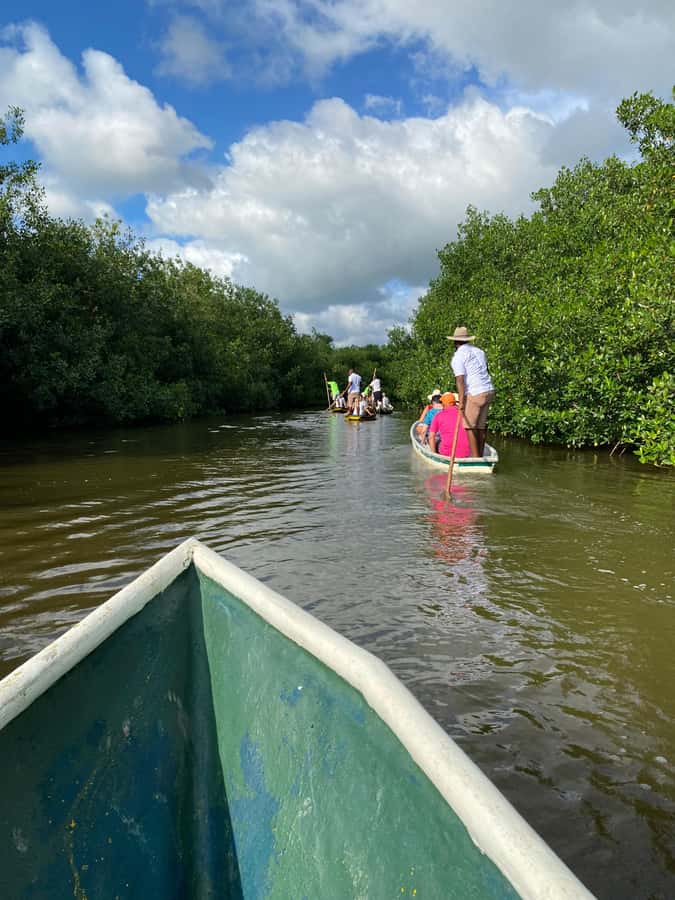
You get picked up at your hotel, then head north of the city to an Afro-descendant coastal community by the sea. The drive is typically around 20 minutes, which keeps this tour feeling like a quick reset instead of a half-day lost to logistics.
This shorter ride matters. When a tour is long and jumpy, you rush, you overheat, and you miss the small details. Here, you arrive ready to slow down: you get greeted, you drink something cold and natural, and you start the mangrove part on a human pace.
If you’re coming from a cruise ship area, plan extra time to get through the port walkways and security-style paths. One helpful tip from a cruise passenger: allow about 15 extra minutes to walk through the peacock/bird area and follow the exit signs. That extra buffer can save you stress before pickup.
You can also read our reviews of more tours and experiences in Cartagena.
Coconut Welcome and a Real First Look at the Water
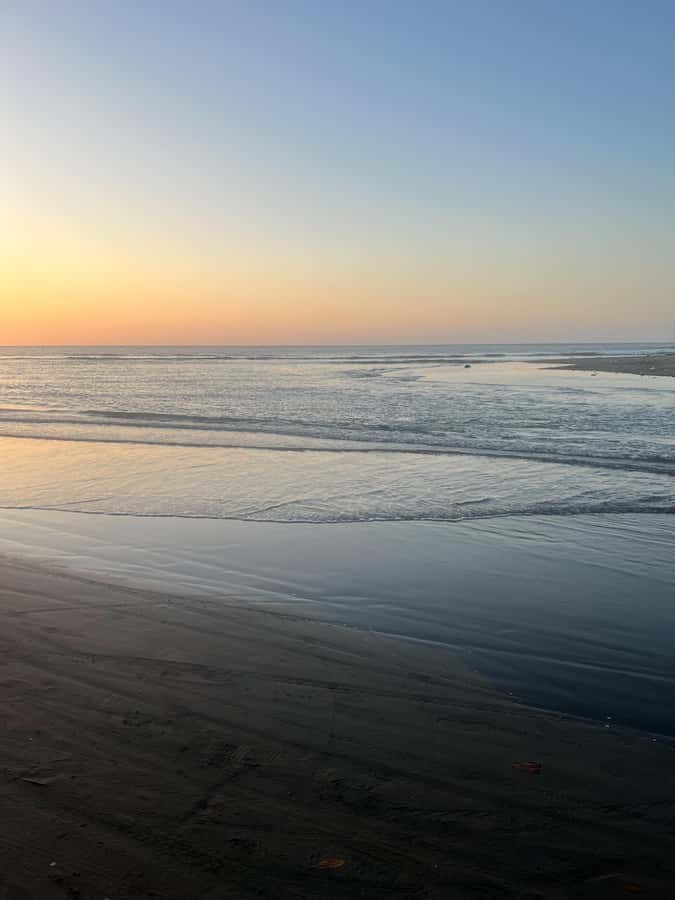
Before the canoe time, you receive a welcome drink: a 100% natural coconut. It is the kind of start that helps you feel the place right away because it is simple and local, not packaged.
You also get a warm greeting from the community. That first contact sets the tone for the day. Instead of showing up like a ticket number, you get received like you are joining an everyday routine for a few hours.
And yes, there can be little, friendly moments. One person noted dogs greeting them at the start, which sounds minor until you realize it’s part of what makes this feel lived-in rather than staged.
Mangrove Tour Through Natural Canals and an Island Built by Locals
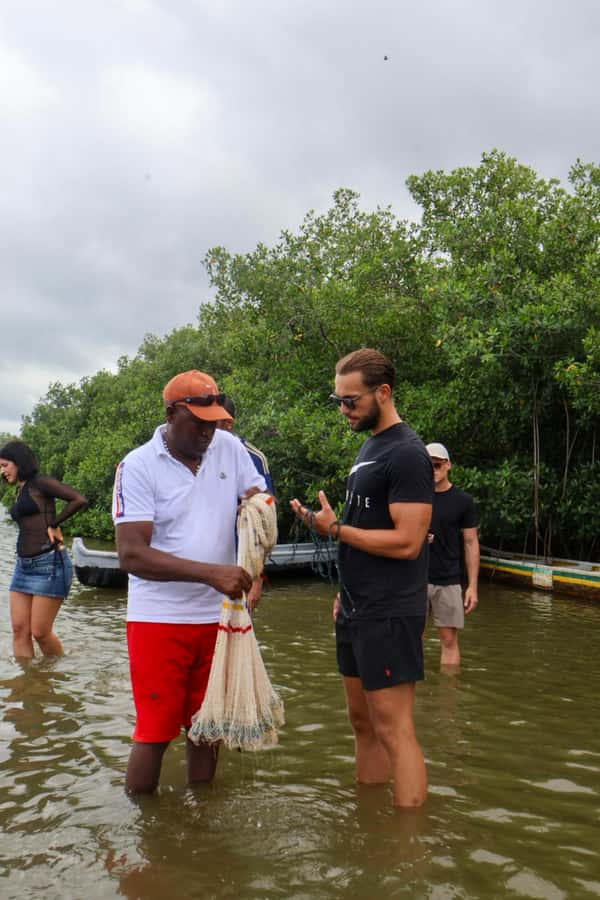
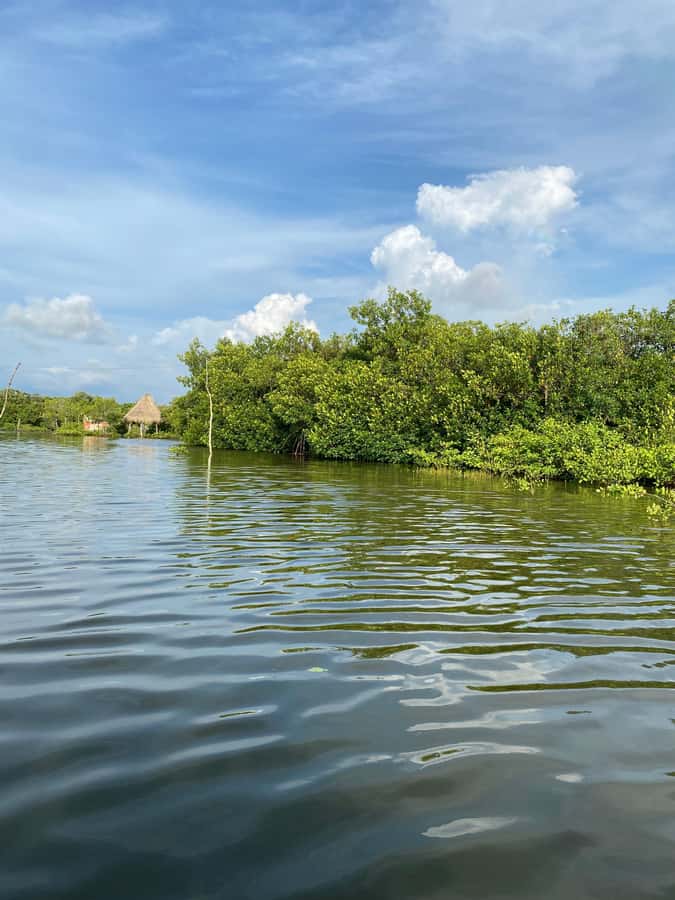
Once you’re set, you move through different natural mangroves. The tour includes narration by native guides, so you’re not just looking at trees—you’re hearing how the ecosystem works and why it matters to the people who depend on it.
You’ll also learn history tied to the ecosystem, not a generic biology lecture. That human angle is the value here. Mangroves are more than scenery: they act like natural nurseries and buffers, and you get the local explanation in plain language.
Another standout stop is a visit to an island built by natives located in the middle of the mangrove. The point isn’t only the novelty of being surrounded by water and roots. You also get to see that different species live in this environment, which reinforces what the guide is saying about the ecosystem’s role.
What you should watch for
This is a relaxing wetlands tour. It is not described as an extreme off-the-water adventure. If you were hoping for a very far-probing trek deep into the mangroves, you might find it more “focused and scenic” than “maximally hardcore.” That’s not bad—just a mismatch to avoid.
Fisherman Island and the Cultural Side You’ll Actually Remember
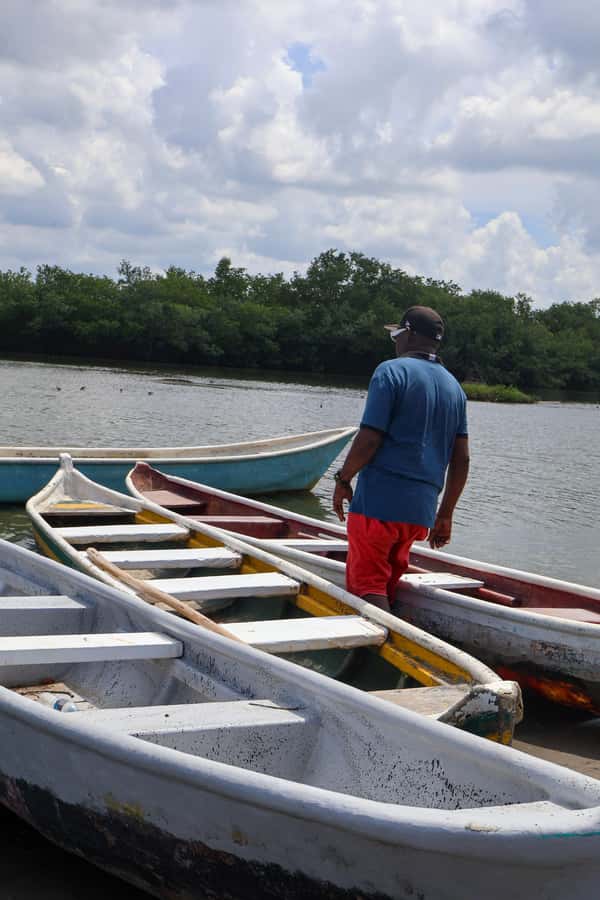
The experience continues at Fisherman Island (often referred to as Isla de los pescadores), with entrance included. This is where the tour shifts from nature observing to community life.
You may experience cultural sampling of drums while you’re there, and in at least one reported instance, the group was welcomed by local leaders and drum players. Some guests also mentioned music that led to dancing like cumbia and merengue. Even if you do not dance, the presence of drums and ceremony is what makes the stop feel grounded.
For me, this is one of the tour’s strongest points: it connects the ecosystem to daily culture instead of treating mangroves like a backdrop. It’s the difference between seeing nature and understanding how people live with it.
Artisanal Fishing Demonstration and Hands-On Net Casting
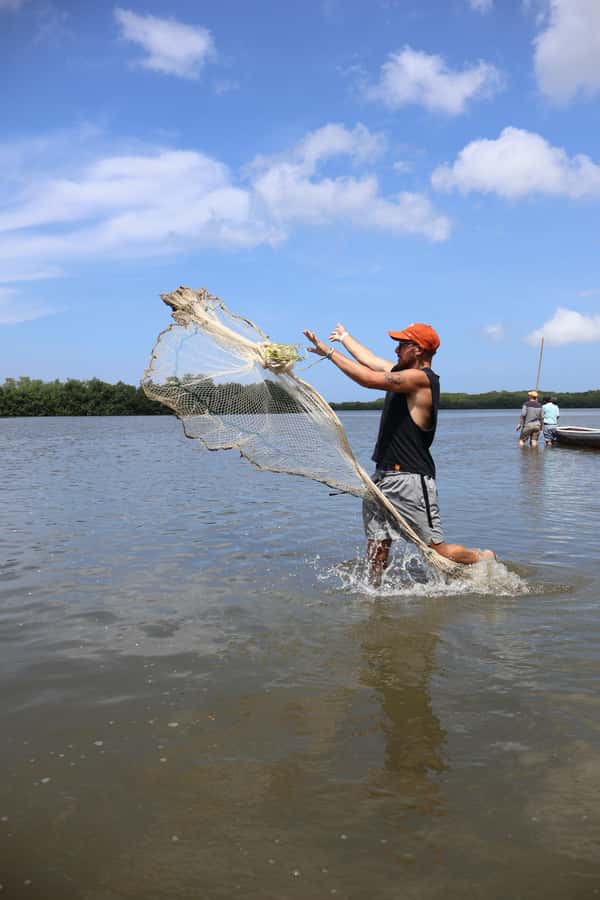
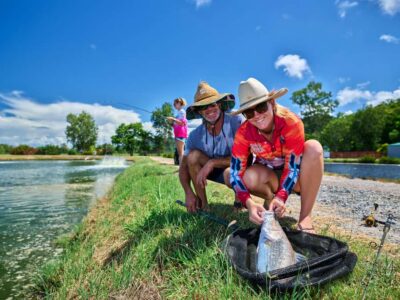
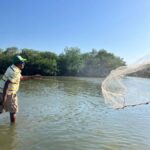
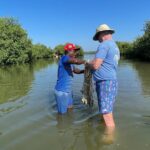
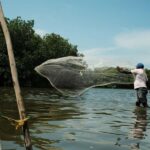
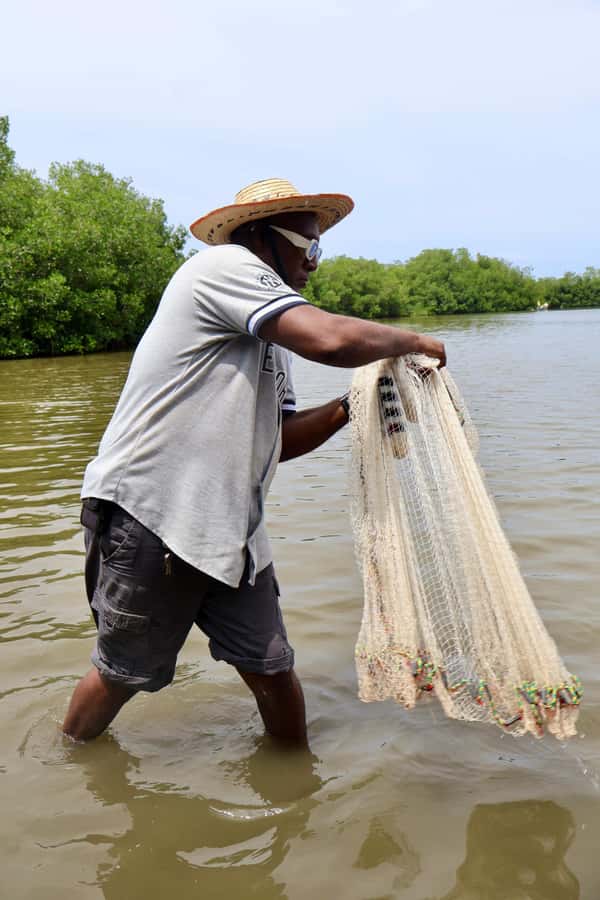
Right in the mangroves, you get a demonstration of artisanal fishing. This is one of the most praised parts of the day because you’re not only watching. You can participate and practice, guided by native fishermen.
People mention learning to throw fishing nets and setting up crab methods like crab pots/cages. If you’ve never cast a net before, this part can be surprisingly fun. Your arms will get a workout, and you’ll see how technique matters in shallow waters with roots everywhere.
A few practical notes for expectations:
- The activity is about learning the method and respecting the mangrove work.
- You might not catch something every time.
- The best outcome is often the learning and the laughs while you try.
Guides who spoke excellent English show up repeatedly in feedback, including Jamie and Yeimy. That language clarity makes a difference. You’ll ask questions, you’ll understand what you’re doing, and you won’t feel like you’re just following gestures.
If you’re a photographer, this is also a great time for close-up shots of hands, nets, and mangrove details. Just keep the pace slow, since this is hands-on work, not a photo set.
12:30 Beach Lunch: What’s on Your Plate and Why It Feels Special
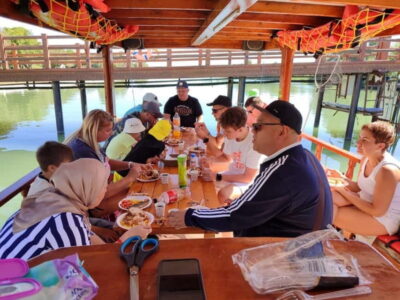
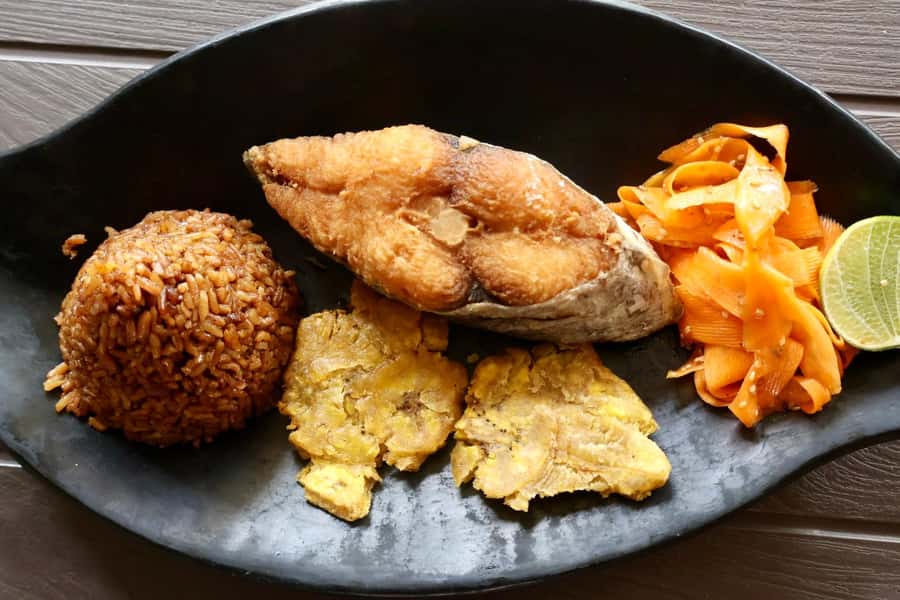
Lunch happens at 12:30, and it is served with an ocean view. This is not a back-of-the-room buffet. It is a traditional restaurant in front of the sea, where native women cook the meal in an artisanal style.
Here’s what’s included:
- Fried fish
- Coconut rice
- Patacones
- Salad
- Fish soup
- Drink included (reported as lemonade)
What I like about this menu is that it hits a full spectrum of textures. You get something crispy (patacones), something comforting and fragrant (coconut rice), something brothy (fish soup), and a main fish dish. It feels like you are eating a whole coastal meal instead of a token lunch with one safe item.
Portions are also repeatedly described as big. If you tend to underestimate local servings, save room. You’ll want your energy after the canoeing and fishing practice.
After lunch: sink into the beach calm
Once you eat, you can enjoy the beach. The described vibe is serenity—time to cool off, relax, and let your day land. This is a smart finish because it balances the hands-on fishing activity with a “stop moving for a bit” payoff.
Price and Value: Is $84 Worth It?
At $84 per person for about 4 hours, the price can look like a lot until you break down what you actually get.
You’re not just paying for a boat ride. You’re paying for:
- pickup and drop-off from your hotel
- entrance to Fisherman Island
- a native bilingual guide (English/Spanish)
- guided mangrove tour with local history
- cultural drum sampling
- artisanal fishing activity (crab and fish methods)
- a full beachside lunch with multiple dishes plus a drink
That package is what makes the value feel fair. Many tours charge similar money for a more “transport-and-sightseeing” format. Here, you’re getting education, participation, and a meal that’s tied to the community—not shipped in for tourists.
One more value point: the experience is described as less scammy and less commercial than some other island-day options. The tone is welcoming and community-run, with guides like Jamie, Yeimy, and Andres showing up as standout hosts.
Who This Tour Fits Best (and Who Might Want a Different Option)
This is a great match if you want:
- an authentic mangrove experience with locals narrating the ecosystem
- hands-on practice (net throwing, crabpot/cage methods) rather than only watching
- a real lunch you’ll remember, served by people from the community
- a cultural add-on with drums and music
It may be less ideal if you:
- need wheelchair-friendly access (it’s not suitable for mobility impairments)
- want a very deep mangrove expedition where you might be guaranteed to catch fish
- hate getting a bit wet and muddy during hands-on activities
If you’re traveling solo, this can also work well because guides tend to include people and keep things friendly. If you’re traveling with family, one review mentioned a 3-year-old being well looked after, which suggests the day can feel flexible and human rather than strict.
Should You Book This Mangroves, Fishing and Beach Lunch Tour in Bolívar?
Yes, you should book it if your ideal day in this region is: calm water, local storytelling, learning a real fishing technique, and then a proper lunch by the sea.
I would book it sooner rather than later if:
- you want a break from city bustle while still keeping the day structured
- you care about eating what locals eat, cooked right there
- you like tours where the guide language (English or Spanish) actually helps you understand what you’re seeing
Skip it (or consider a backup plan) if mobility is an issue or if you need a “catch guaranteed” fishing outing. This is learning and connection first, results second.
If you want a Cartagena-area day that feels genuinely local and not just a stop on a crowded route, this one is a strong bet.
FAQ
How long is the tour?
The duration is 4 hours.
What does the tour include?
It includes pick up and drop-off, a typical lunch cooked by native women at a restaurant in front of the sea, a welcome hydrating drink, entrance to Fisherman Island, a native bilingual guide, cultural sampling of drums, and artisanal crab and fish fishing activity.
Where does pickup happen?
Pickup is included from your hotel.
How do you start the tour after pickup?
You arrive at the Afro-descendant community near the sea north of the city (about 20 minutes away) and receive a warm greeting and a 100% natural coconut welcome drink.
What happens during the mangrove part?
You travel through different natural mangroves and hear the history of the ecosystem narrated by natives. You also visit an island built by natives in the middle of the mangrove, where different species live.
Do I get to participate in fishing?
Yes. There is a demonstration of artisanal fishing in the mangrove, and you can participate and practice fishing methods like net casting.
What time is lunch and what’s served?
Lunch is at 12:30. It includes fried fish, coconut rice, patacones, salad, fish soup, and a drink.
Are the guides available in English and Spanish?
Yes. The host/greeter and guide are listed as English and Spanish.
Is this tour suitable for people with mobility impairments?
No. It is listed as not suitable for people with mobility impairments.
Can I cancel for a refund?
Yes. Free cancellation is available up to 24 hours in advance for a full refund.