REVIEW · SIEM REAP
Siem Reap: Tonle Sap Lake – Fishing Village & Flooded Forest
Book on GetYourGuide →Operated by Journey Cambodia · Bookable on GetYourGuide
A floating village lesson on how water rules life. A half-day on Tonle Sap shows how Cambodians turn seasonality into everyday routine, from stilt houses to fishmaking. You get a boat cruise plus countryside stops that feel more like a visit to neighbors than a checklist.
What I love most is the slow, watch-the-canal-way of the trip through Kampong Phluk, where the flooded forest is part of the scenery and part of the livelihood. I also like the way the return ride highlights real aquaculture and small farming work that most people skip when they stay centered on Angkor.
One thing to keep in mind: the experience can change with seasonal water levels. In lower-water periods, you may see less of the flooded-forest action than you expect, and some areas may be quieter or less accessible.
In This Review
- Key highlights worth your attention
- Why Tonle Sap feels different from other day trips
- Price and what $45 covers on the ground
- Pickup, van ride, and a quick taste of rural Cambodia
- Kampong Phluk: stilt houses and flooded forest canals
- The river boat segment and moving between worlds
- Backroads to town: agriculture, aquaculture, and small-scale ingenuity
- Rural markets and Khmer snack stops
- The Buddhist monastery stop and when timing matters
- What to expect for comfort, clothing, and boat-day reality
- Who should book this and who should skip it
- Should you book Tonlé Sap: Fishing Village & Flooded Forest?
- FAQ
- How long is the Tonlé Sap Lake fishing village and flooded forest tour?
- What’s included in the tour price?
- Is there a boat rowboat included?
- Do I get to choose between morning and afternoon departures?
- Is wheelchair access available?
- What language is the tour conducted in?
Key highlights worth your attention
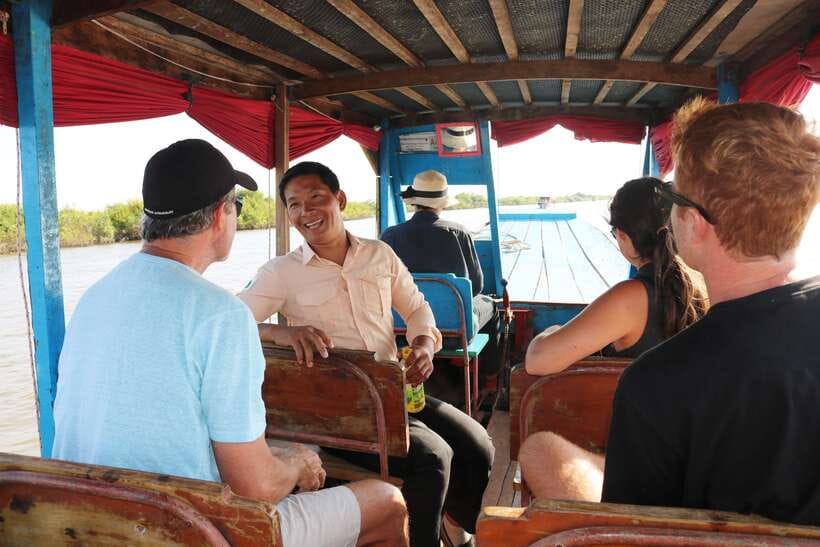
- Kampong Phluk flooded forest canals with stilt houses and working local life in view
- Slow boat cruising that makes it easy to spot flora and fauna along the channels
- Hands-on agriculture and aquaculture scenes like rice work, fish smoking, and fish paste making
- Cricket catching and duck farming that shows how people diversify when the lake changes
- Khmer snack and rural market food stops for a simple, tasty taste of daily life
- A monastery visit timed to season (best in late July to early March)
Why Tonle Sap feels different from other day trips
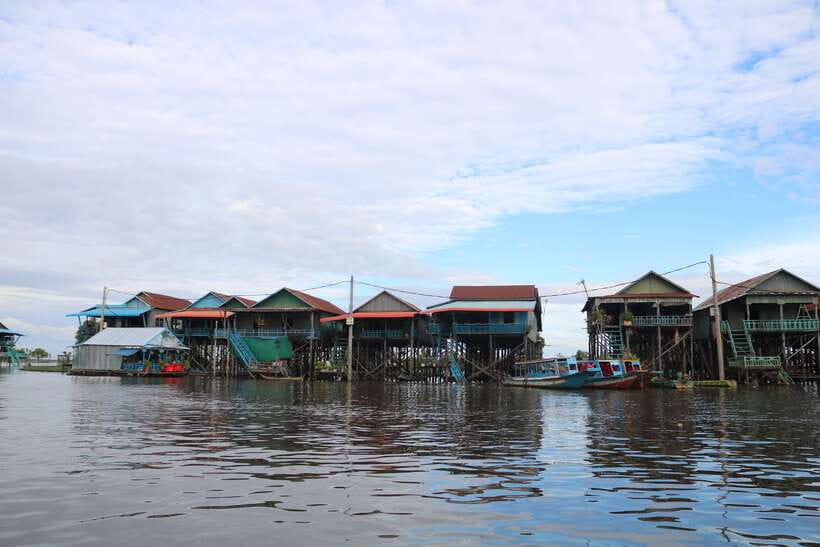
Tonle Sap is famous for being huge, but the real trick is that it changes size dramatically. In the wet season it swells to about 12,000 km², then shrinks down to roughly 2,500 km² in the dry half of the year. That rhythm shapes what people plant, catch, build, and even where they live.
This tour leans into that reality. You’re not just staring at a lake. You’re seeing how people live with the water’s schedule. One guide on this route (Sargon Pal) stood out for explaining the why behind what you’re seeing, and the vibe stayed calm and unhurried. Another guide (Chhay) took the focus even further toward daily survival and community support, not just pretty views. That difference matters because Tonle Sap becomes more meaningful when you understand what the water allows.
The UNESCO biosphere angle is also more than a label. It’s a living system where fish spawn in the seasonally flooded forest, drawing water birds and feeding communities along the shore. You feel that as you move between boat sections and countryside roads.
You can also read our reviews of more tours and experiences in Siem Reap.
Price and what $45 covers on the ground
The price is $45 per person for a roughly 4-hour half-day. For that, you get hotel pickup and drop-off in Siem Reap city, an air-conditioned vehicle, a local English-speaking guide, and the boat cruise. You also get bottled mineral water and a cool towel.
That’s a solid value for Cambodia, especially because boat time plus guide time usually adds up quickly. You’re also getting more than one type of setting: lake villages and flooded forest by boat, then back-road agricultural life by land. If you’ve got limited time in Siem Reap, this is an efficient way to see the region beyond temples without feeling rushed.
Two small cost/experience notes to factor in:
- The information you’ll see ahead of time says an extra rowboat at the mangrove forest is not included. If you’re offered any mangrove side action, expect that to be optional and extra.
- You’re paying for a structured experience. If you want total freedom to wander at your own pace, you’ll feel more guided than spontaneous.
Pickup, van ride, and a quick taste of rural Cambodia
The tour starts with pickup from Krong Siem Reap. You’ll ride by van for about 40 minutes through the countryside. This part matters more than it sounds. The roads let you transition from the Angkor-energy of town life into the rhythms of the lake region.
After the drive, there’s a short stop (about 25 minutes) for a visit and guided sightseeing/walk. The exact village setting isn’t spelled out in the basic outline, but the intention is clear: you’re meant to warm up to the idea that Tonle Sap life is built around seasons, not sightseeing glamour.
The good news? These shorter walking stretches are usually the easiest way to break up the boat day. You also get a chance to ask questions while everyone’s still on land and your guide can point out what’s typical nearby—farming, fish-related work, and daily routines you’ll later see again on the water.
Kampong Phluk: stilt houses and flooded forest canals
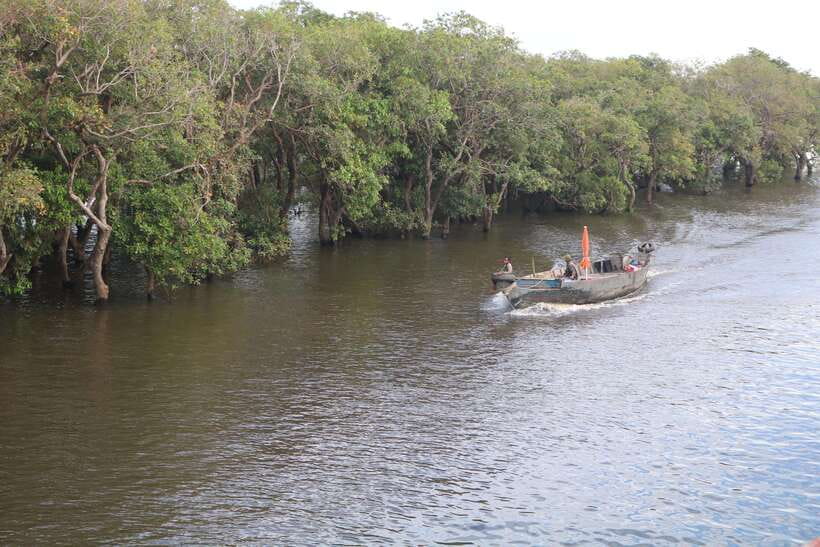
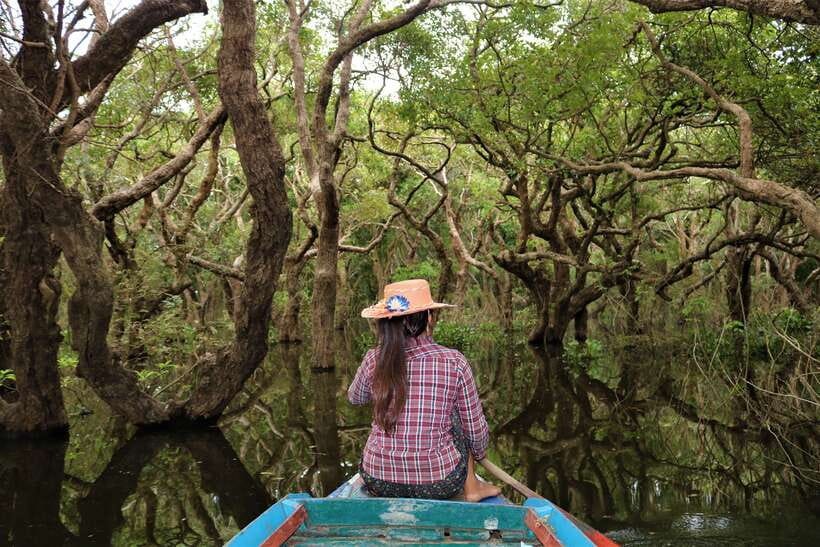
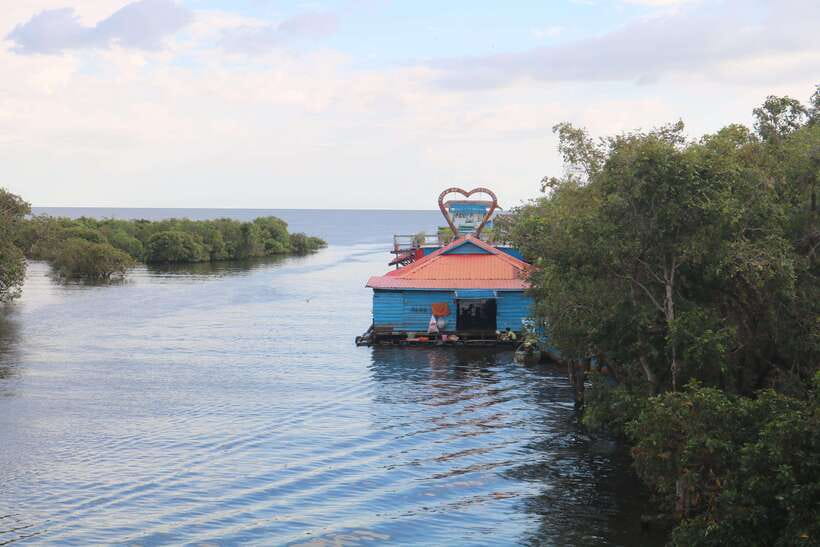
This is the main event. You’ll spend about 2.5 hours at Kampong Phluk, described as a collection of three small fishing villages inside an atmospheric flooded-forest setting.
Here’s what you’ll actually focus on during that time:
- Stilt houses and life built above the changing waterline
- Working people in the “floating” forest environment
- A slow cruise through forest canals, so you get glimpses of flora and fauna rather than just passing by
What makes this section special is pace. The boat doesn’t feel like a speed-run. It’s more like moving through a network of channels where you can look around often. That matters because Tonle Sap is visual in layers: water level, house height, gear, and plant growth all tell the story at once.
One guest experience noted that the tour was relaxing, and it matches what this style of cruising usually feels like—quiet, observational, and steady. Another guide (Chhay) helped turn the scenery into an understanding of daily life and survival challenges, including how people work together through community support. When your guide explains what you’re seeing, Kampong Phluk shifts from scenery to context.
A realistic consideration: water levels can change what you can access and how dramatic the flooded forest feels. One experience shared that the trip occurred during a low-water time of year, which limited what could be reached and reduced the amount of flooded-forest focus compared with expectations. You can’t always control that, but you can prepare for it (see tips below).
The river boat segment and moving between worlds
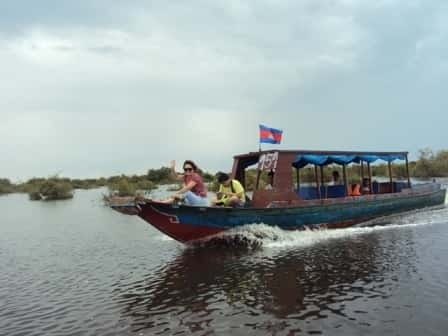
After Kampong Phluk, there’s a river boat segment (about 30 minutes). Think of it as the connective tissue between the villages and the return journey.
This time slice is useful because it gives you different sightlines. Even if the scenery overlaps a bit, the change in boat type and the channel layout can alter what you notice—often more shore activity, more fishing infrastructure, and more “in-between” moments that feel like real work rather than staged tourism.
It’s also a good break. After a longer boat exploration at Kampong Phluk, the shorter segment helps you stay comfortable and not feel like you’re only trapped on one long ride.
Backroads to town: agriculture, aquaculture, and small-scale ingenuity
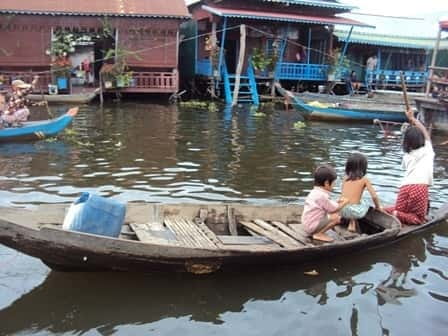
Once you leave the lake zone and head back toward Siem Reap, you’ll take back roads (about 40 minutes) where the tour focuses on seasonal agriculture and aquaculture activities. This part is where the day becomes practical. It stops being just “look at the water” and turns into “watch how people make a living.”
The activities highlighted include:
- Cricket catching
- Rice planting and harvesting
- Smoking fish
- Fish paste making (prohoc)
- Duck farming
You’ll also notice how different tasks link to the lake’s cycle. When fish spawn and the flooded forest expands, the whole area changes shape. That shift affects storage, drying, and food preparation. Seeing smoking fish or fish paste work on this same day helps you connect the boat scenes to what’s happening later at home.
If you like tours that teach you what’s behind the photos, this is the section that usually earns the best mental points. It’s not flashy, but it’s real, and it’s the stuff you can’t reproduce from a single temple viewpoint.
Rural markets and Khmer snack stops
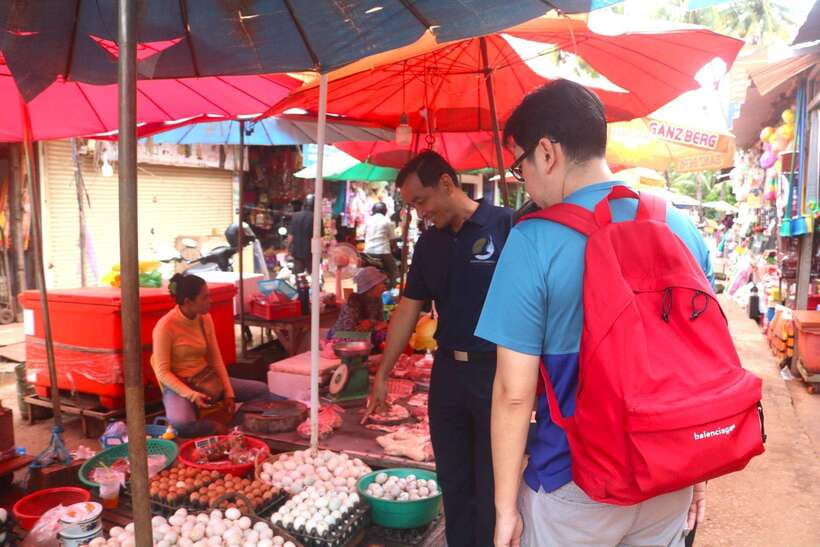
You’ll stop at a local village area to pick up Khmer snacks and explore. You’ll also see local foods and vegetables in the more rural market setting.
This is one of those understated pleasures: you’re not forced into a long shopping detour. Instead, you get small bites and an easy way to notice ingredients and cooking styles that match the region’s food system.
For me, the value here is sensory. On a lake tour, you can forget that communities still need daily meals, not just fishing. Snack stops and market items remind you you’re watching everyday life, not an outdoor museum.
The Buddhist monastery stop and when timing matters
Before heading back, the plan includes a Buddhist monastery visit, with a suggested period between the end of July and early March.
That timing note matters because cultural sites can feel very different depending on the season and local calendar. If you’re traveling in that suggested window, you may get a fuller sense of what’s going on locally.
If you’re traveling outside that time, the monastery visit may still occur as part of the day, but the reason for mentioning July-to-March specifically is that something about the experience (events, rhythms, or visibility) likely changes with the year. Either way, it’s a meaningful pause between the lake’s practical life and the slower spiritual cadence of a temple space.
What to expect for comfort, clothing, and boat-day reality
This tour is listed as not suitable for wheelchair users, so plan your mobility accordingly.
On the boat side, you’ll be on a cruise that can involve sun and shade depending on the canal layout. Bring practical basics:
- Light layers (Cambodia can swing hot to cooler during a breeze)
- Something for sun protection
- Comfortable shoes for any short walks
You’ll also have mineral water and cool towels included, which helps a lot on a warm day. That’s a small detail, but it makes the whole trip feel smoother.
Also, know what’s not included. The information says a rowboat at the mangrove forest is not included. If your guide mentions an optional extra in that area, you can decide then and there whether it’s worth paying more for.
Who should book this and who should skip it
You’ll love this tour if you:
- Want a half-day experience that’s more about daily life than monuments
- Enjoy boats but also appreciate land-based context like farming and fish processing
- Like your Cambodia trips grounded in real communities
You might hesitate if you:
- Only want peak, high-water flooded forest drama. During lower-water periods, access and visual intensity can drop.
- Have limited mobility and need wheelchair-friendly routing. This isn’t set up for wheelchair access.
One of the best things about the guide factor is that the explanations can raise your understanding quickly. Sargon Pal’s style landed as informative and relaxing. Chhay’s approach leaned into how people survive and support each other. If you care about the story behind the scenes, pick a departure time that gives you a calm morning or afternoon mood.
Should you book Tonlé Sap: Fishing Village & Flooded Forest?
Yes, I think you should book this if you’re in Siem Reap and want a meaningful change of pace from temple days. The combination is the selling point: a Kampong Phluk boat cruise for the lake-and-forest story, then a return route that shows how that environment turns into livelihoods—rice work, fish processing, duck farming, even cricket catching. For $45, you’re paying for real field time plus a guide, plus hotel pickup and boat logistics.
Book it with one expectation adjustment: water levels affect what you can see. If you travel in a low-water period, go in with flexibility and focus on the people and the work, not just the spectacle.
If you want a calm, guided look at how the lake shapes daily life, this is a very good use of a half day.
FAQ
How long is the Tonlé Sap Lake fishing village and flooded forest tour?
The tour duration is 4 hours.
What’s included in the tour price?
Included are an English-speaking local guide, air-con vehicle, hotel pickup and drop-off in Siem Reap city, a boat cruise, entrance free, and mineral water plus cool towel.
Is there a boat rowboat included?
No. The information provided says a rowboat at the mangrove forest is not included.
Do I get to choose between morning and afternoon departures?
Yes. The tour notes that there is a choice of morning or afternoon departure.
Is wheelchair access available?
No. The tour is not suitable for wheelchair users.
What language is the tour conducted in?
The tour is available in English.