REVIEW · SIEM REAP
Siem Reap: Fishing in the rice fields, in the villages of Siem Reap
Book on GetYourGuide →Operated by Joe Jungle Adventure · Bookable on GetYourGuide
Waking up at 7 a.m. to fish rice fields is a bold start. You’ll ride out from Siem Reap to Khmer villages, then learn a topwater snakehead method using frogs as bait. I like that this isn’t just a “photo tour”; it feels like learning daily village rhythm hands-on.
Two things I especially liked were the chance to chat with locals during market time and the moment you feel that surface strike. The pace stays human-sized, with time to fish morning and afternoon depending on the water and fish stock.
One possible drawback: this is nature-country fishing, so you should expect muddy/rough outdoor conditions and the guide notes you might encounter snakes or other dangerous wild creatures.
In This Review
- Key things to know before you go
- Rice-field fishing with Khmer village life: the real appeal
- The morning ride: 20–30 km out, before the crowds notice
- Market stop: a quick window into daily Khmer life
- Learning the technique: topwater snakehead fishing with frogs
- The best moment: the surface grab
- Fishing with locals: you’re not alone in the fields
- Lunch in a village: refuel without leaving the day
- Afternoon fishing: new spots, changing conditions
- Nature reality check: snakes and other dangerous wildlife
- What to bring so the day feels comfortable
- Price and value: what $68 buys you in real terms
- Who this tour suits best
- The small-group feel: personal coaching in the fields
- Should you book this snakehead fishing day?
- FAQ
- What time does the tour start?
- How long is the tour?
- Is pickup from my hotel included?
- How big is the group?
- What fishing technique will I learn?
- What’s included in the price?
- What languages are offered by the instructor?
Key things to know before you go
- 7 a.m. start with a scooter/motorbike ride out about 20–30 km from Siem Reap
- Market stop(s) that give you a real snapshot of Khmer village life before fishing
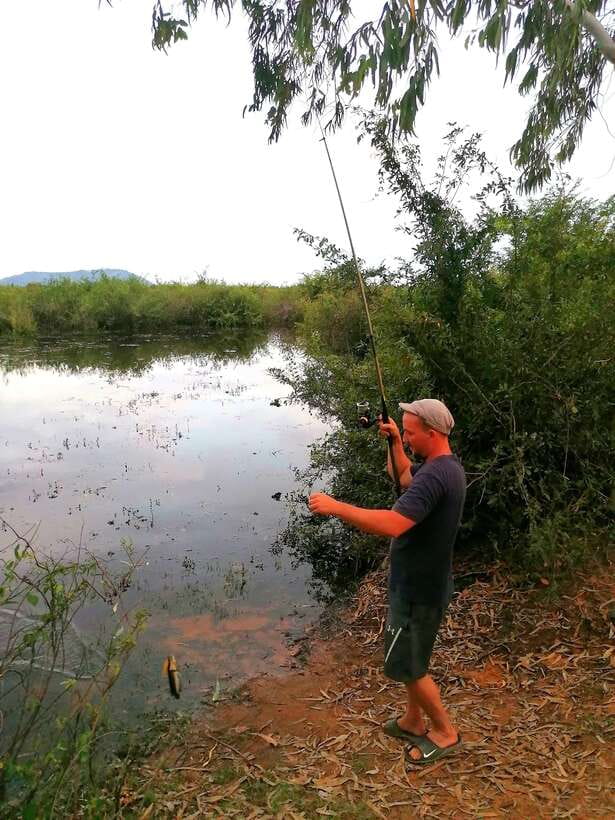
- Frog-bait topwater technique for snakehead fishing in rice fields
- Fishing spots change with water level, so your day adapts to conditions
- Private small group limited to 4 people, with an instructor who speaks German and English
- You get snacks, lunch, water, and one soft drink, plus pickup from your hotel
Rice-field fishing with Khmer village life: the real appeal
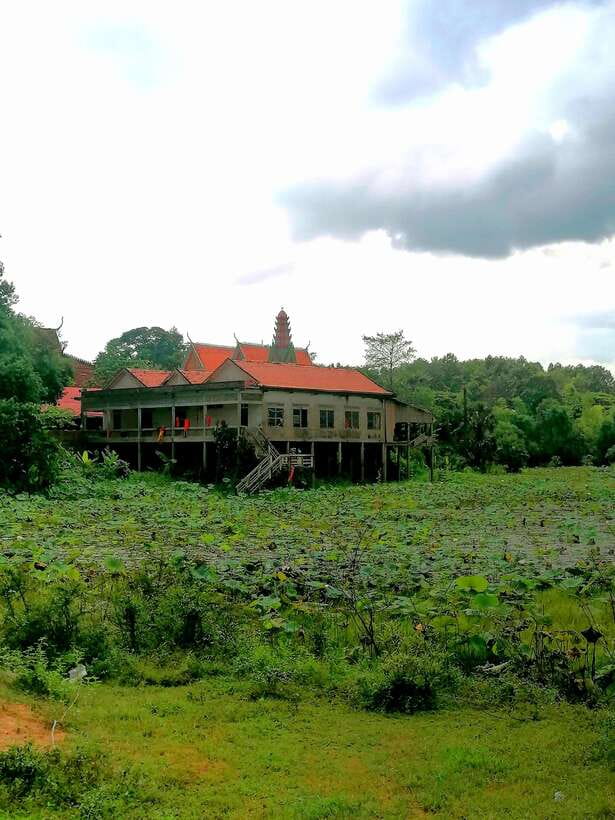
If you’ve only seen Siem Reap from the tourist lanes, this day gives you a different angle on Cambodia. You’ll spend hours with your hands, your questions, and your eyes on everyday life outside the city, starting early when the villages feel most awake.
The fishing part is the headline, but the day’s value is how the two halves connect: you learn local routines, then you practice a method locals use in the same kind of water. When you’re casting and the strike happens, it’s not just sport—it’s the feeling of working with how the ecosystem behaves.
You can also read our reviews of more tours and experiences in Siem Reap.
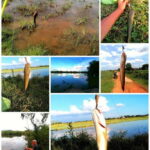
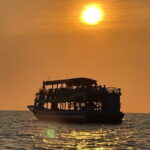
The morning ride: 20–30 km out, before the crowds notice
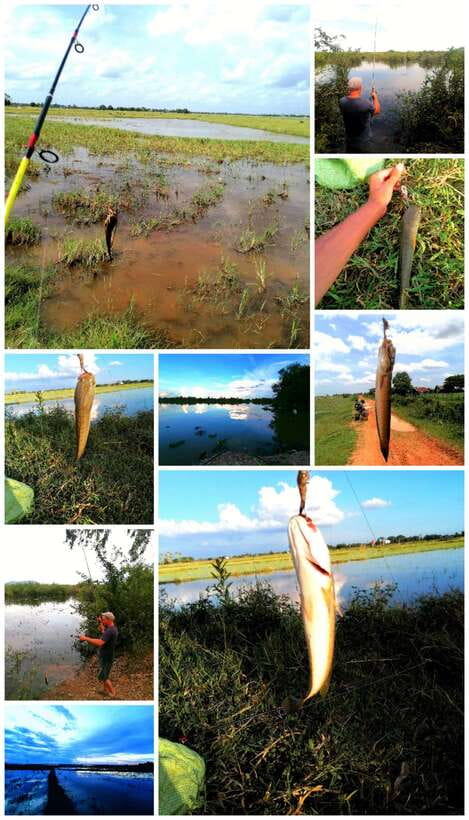
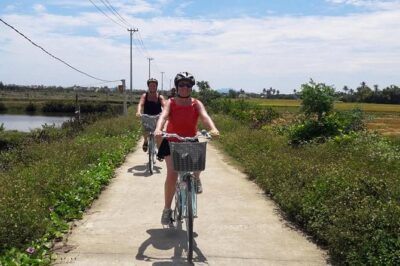
The tour kicks off at 7:00 a.m.. You’ll meet at your hotel lobby and get picked up, then head out on motorcycles or scooters toward nearby villages, roughly 20–30 km from Siem Reap.
That ride matters more than you might think. The countryside shift is part of the experience, and you’ll arrive ready to move because you haven’t been waiting around in a van. Plus, the early timing helps you see the rice fields and waterways before the heat ramps up.
You can also drive your own vehicle if that fits you better. If you choose that, just make sure you follow the meeting timing the operator gives you.
Market stop: a quick window into daily Khmer life
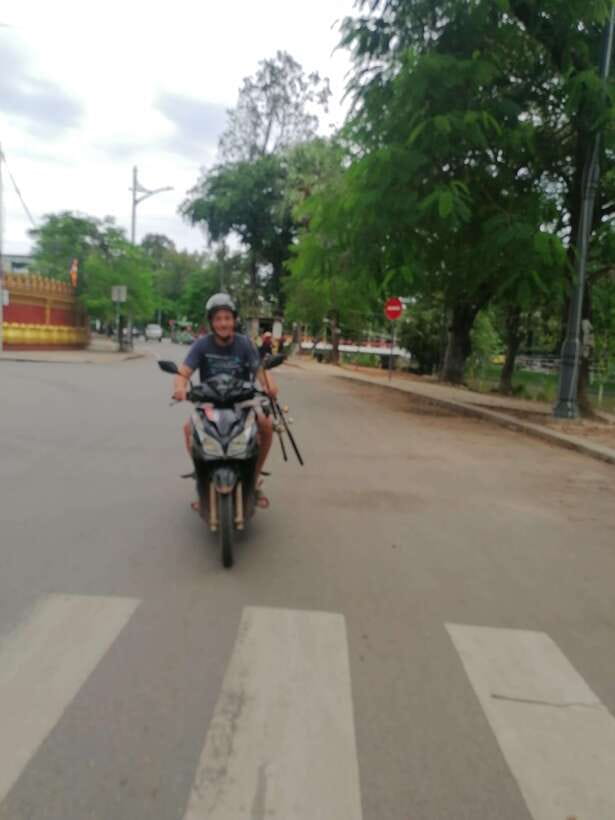
After a short ride, you stop at local market(s). This is your first practical taste of Khmer life—what people buy, how they move, and what’s normal where they live.
I like this stop because it doesn’t feel like a lecture. It’s an easy place to ask questions and connect the dots between what you’ll see later in the rice fields and what people do day-to-day.
It’s also a good reality check for expectations. You’re in rural Cambodia, so the sights and sounds are straightforward and local, not “staged for visitors.”
Learning the technique: topwater snakehead fishing with frogs
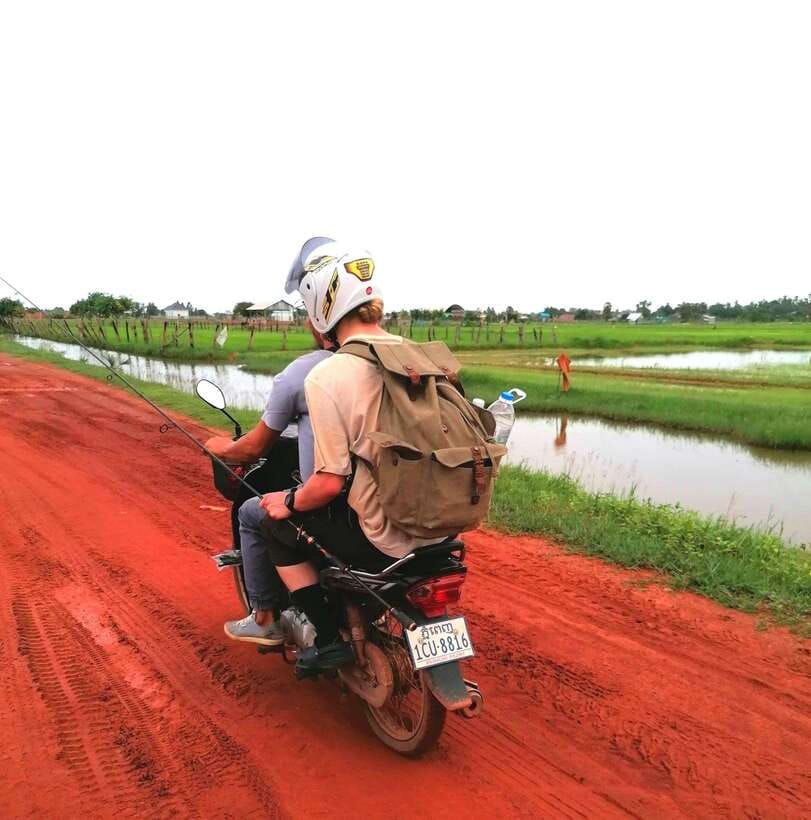
Next you go to one of the many fishing spots in the rice fields. These locations vary depending on the water level, so the day isn’t one-size-fits-all. Once you arrive, the instructor explains your fishing setup and the basic rules for topwater fishing.
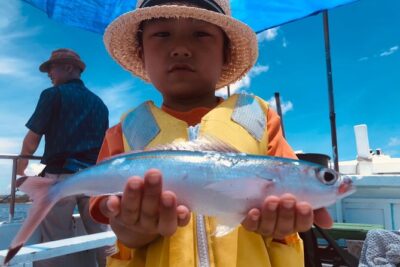
Here’s the key: you’ll fish with frogs as bait. That means you’re not just casting and waiting. You’re learning a technique aimed at getting snakehead fish to commit at the surface.
The operator gives you tackle and instruction, so you don’t need to be an experienced angler. And after a small snack, you’re ready to cast again with better focus—because casting all morning isn’t easy if you’re hungry.
The best moment: the surface grab
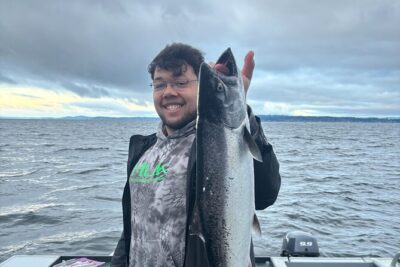
The “indescribable feeling” part isn’t marketing fluff. With topwater fishing, the strike is visible. You’ll watch the frog action on the surface, then you feel that sudden grab and have to react fast to land the fish.
Snakehead fishing is also a patience game. Even with instruction and good equipment, nature decides how your luck plays out. That’s part of why I think this tour feels more authentic than a quick “catch-and-go” stop.
If you catch fish, the tour notes they can be prepared and eaten on the spot if required, the way locals do after hours of fishing. Even if you skip that part, the offer adds to the sense that this is real working culture, not a show.
Fishing with locals: you’re not alone in the fields
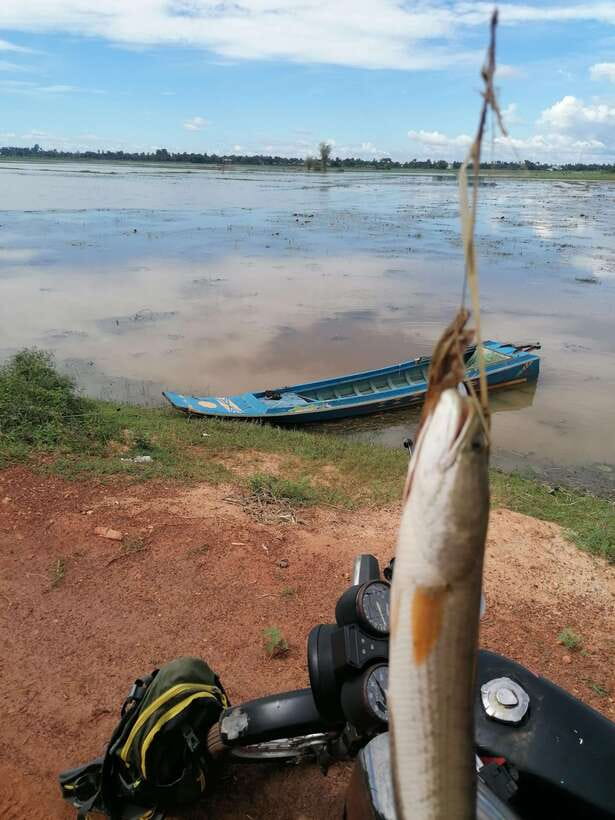
On the way, you’ll likely come across local fishermen. The plan is to stand together in the rice fields—sharing space, learning the flow of what people do around you.
This matters for two reasons. First, it changes your mindset from visitor to participant. Second, it creates those small exchanges—ideas, methods, and quick stories—that make the day feel personal instead of scripted.
If you like learning through people rather than through signs and brochures, this is where the tour wins.
Lunch in a village: refuel without leaving the day
You’ll have lunch in one of the surrounding villages after the morning fishing. It’s a simple break, but it keeps you inside the rhythm of the day instead of pulling you into a restaurant bubble.
The tour includes snacks and lunch, plus water and one soft drink per person. For a 10.5-hour day, that level of built-in food support is real value. You can focus on fishing, talking, and looking around rather than budgeting for frequent stops.
Afternoon fishing: new spots, changing conditions
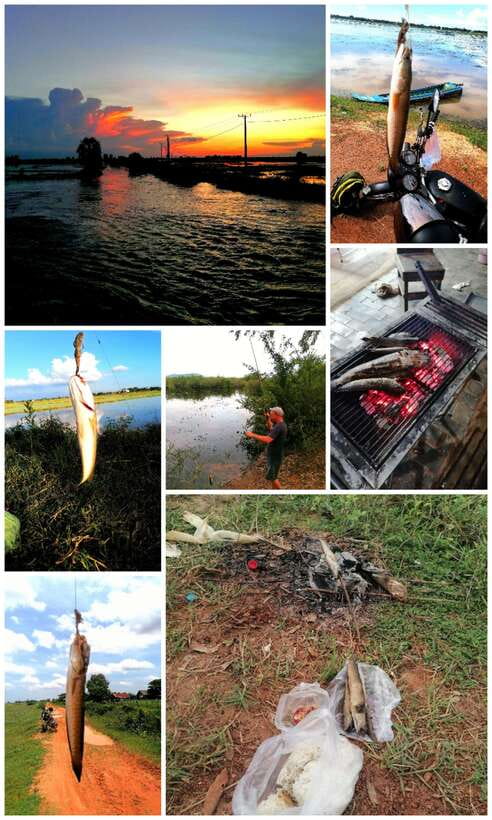
Depending on the fish stock and conditions, you’ll head to another fishing spot in the afternoon. Since spots shift with water level, you should expect some movement and adaptation during the day.
The tour is designed to give you a second chance at the technique, not just one long session. If the morning was slow, the afternoon can feel like a reset. If the morning was exciting, the second round gives you a chance to refine how you cast and work the bait.
This is also the stretch where your senses pick up on “wild, pure nature.” The day isn’t urban and tidy, and that’s intentional.
Nature reality check: snakes and other dangerous wildlife
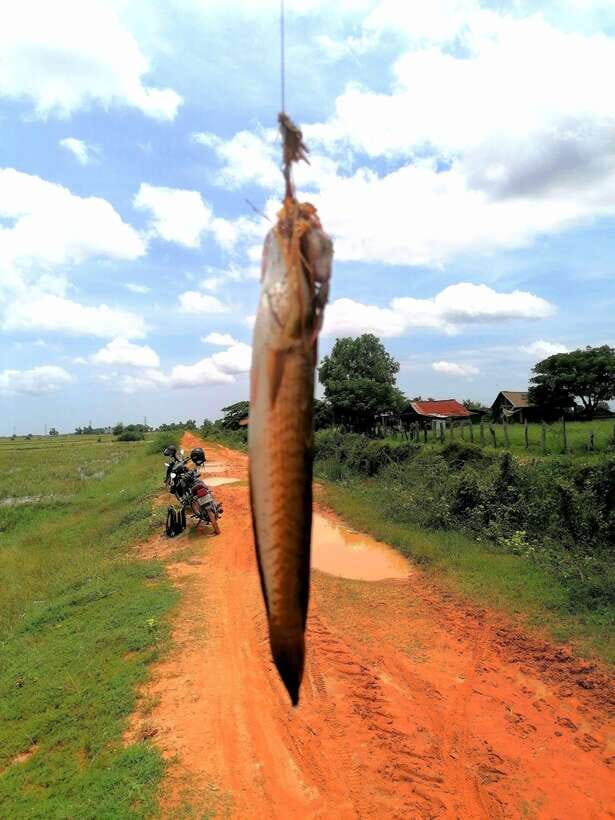
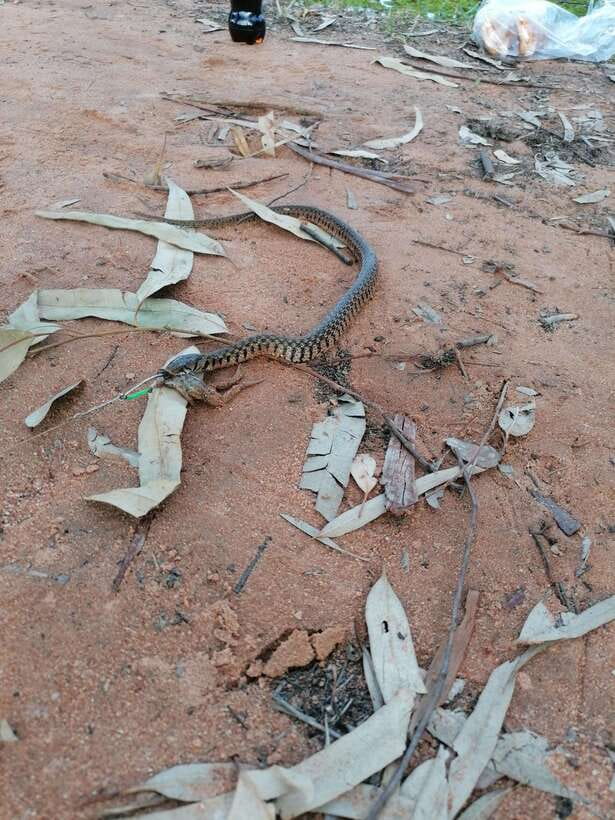
This is the part you should take seriously. The operator notes it is not uncommon to encounter snakes or other dangerous wild creatures.
That doesn’t mean panic. It means you should treat this as an outdoor, rural setting where you follow the instructor’s lead and keep attention on your surroundings. If you dislike wildlife risk or you’re overly cautious in nature, this may not be the right fit.
A smart move is to plan your gear around getting you through muddy, wet-feeling environments while staying protected from sun. The tour already lists what to bring for that.
What to bring so the day feels comfortable
You’ll want to pack:
- Sun hat
- Head covering or kippah
- Sunscreen
- Clothes that can get dirty
Those last words matter. Even with care, rice-field days can be messy. Bringing clothing you don’t mind roughening up is the simplest way to keep the experience enjoyable rather than stressful.
Also, if you’re planning to chat with locals, head and sun protection helps you stay relaxed. Long days outside turn into a lot of “standing and waiting” if you’re uncomfortable.
Price and value: what $68 buys you in real terms
The price is $68 per person for about 10.5 hours (starting times vary by availability). On paper, it’s a day tour. In practice, it includes a lot that most DIY plans cost extra for: hotel pickup and return, transportation, fishing equipment, and meals (snacks plus lunch), along with water and one soft drink per person.
For me, the value comes from the combination: rural transportation + guided technique + time on the water + food. If you’ve ever tried to arrange a rural experience on your own in Siem Reap, you know how quickly costs and hassle add up.
It’s also a private tour for up to 4 people, which usually means less time waiting and more direct attention from the instructor. If you want personal coaching for your fishing technique, that small group cap matters.
Who this tour suits best
This is a strong fit if you:
- like hands-on activities (casting, learning technique, trying again)
- want rural Khmer life beyond temples and souvenir streets
- enjoy small-group days where you can ask questions
- are okay with outdoor conditions and the possibility of wildlife in the area
It’s probably not ideal if you want a very comfortable, indoor-heavy tour or if you have zero tolerance for nature and mess.
The small-group feel: personal coaching in the fields
One of the quiet strengths here is the max 4 participants setup. With only a few people, the instructor can actually correct your topwater technique, not just hand you a rod and point you at the water.
That’s especially helpful because frog-bait topwater fishing has its own rhythm. Your casting, your bait movement, and your reactions all matter. A smaller group increases your chances of getting useful feedback quickly.
Should you book this snakehead fishing day?
I’d book it if you want a real break from mass tourism and you’re curious about how fishing works in rural Cambodia. The market stop, the village lunch, the guided frog-bait technique, and the chance to fish morning and afternoon are a solid package for a day that feels local rather than staged.
I’d think twice if wildlife risk makes you uneasy or if you don’t like long outdoor days where conditions can be unpredictable. Also, if you want guaranteed fish every time, no topwater plan can promise that—but you will be learning and fishing the way locals do.
If you like authentic culture you can touch, and you’re excited by the surface strike moment, this is one of the more memorable ways to experience Siem Reap Province.
FAQ
What time does the tour start?
The tour starts early at 7 a.m.. Starting times can vary, so you should check availability for the exact departure.
How long is the tour?
The total duration is 10.5 hours.
Is pickup from my hotel included?
Yes. Pickup is included from any hotel in Siem Reap, and you should be ready in the lobby 15 minutes before pickup.
How big is the group?
It’s a private tour limited to a maximum of 4 participants.
What fishing technique will I learn?
You’ll learn basic topwater fishing rules using frogs as bait. The goal is snakehead fish.
What’s included in the price?
You get transportation to and from your hotel, water and one soft drink per person, snacks and lunch, and fishing equipment.
What languages are offered by the instructor?
The instructor speaks German and English.