REVIEW · NORWAY
Inshore fishing in the Drangefjord
Book on Viator →Operated by Base Camp Litlandstrand · Bookable on Viator
The fjord turns fishing into a story. On a 2.5-hour inshore trip from Litlandstrand in Drange, you fish the Drangefjord with traditional methods led by guides like Federico or Luca, and you actually get taught the why, not just the how. I especially like the hands-on feel of the techniques and the fact that you’re fishing where sea trout and mackerel are known to show up, with seals as a bonus if you’re lucky.
One catch: this experience runs in a tight evening window and it depends on good weather, so plan for a possible date change.
In This Review
- Key highlights you’ll care about
- Drangefjord inshore fishing: Viking-era surroundings, seals, and sea trout
- Getting there from Litlandstrand: evening timing and a private setup
- What you actually do on the water: pots, troll nets, and chasing the best spots
- What you might catch in Drangefjord: sea trout, mackerel, and more
- The guide makes or breaks it: Federico, Luca, and Antonio’s teaching style
- Boat-side comfort at Litlandstrand: toilets, places to sit, and waiting well
- Price and value: $121.47 per person for 2.5 hours of real learning
- Weather and timing: why good conditions matter here
- Who should book this Drangefjord trip (and who might skip it)
- Should you book? My practical take
- FAQ
- Where does the tour start?
- How long is the inshore fishing trip?
- What time does it run?
- Is this tour private?
- What kind of fish could you target?
- What happens if weather is poor?
Key highlights you’ll care about
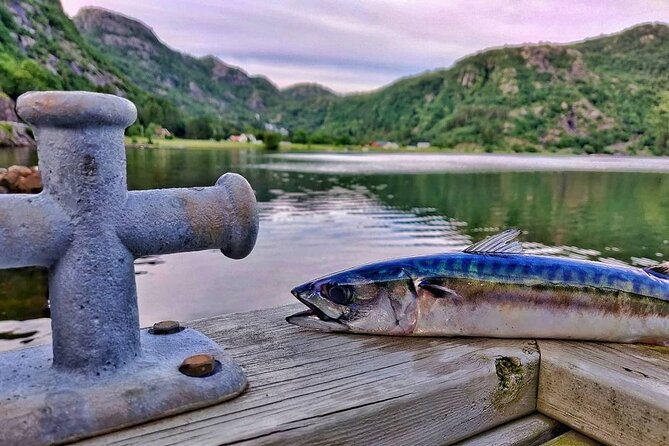
- Traditional inshore techniques, not just casting: You’ll use methods such as fishing pots and troll nets, with guidance on where and when to set up.
- Litlandstrand in Drange is a real starting point: Small-village atmosphere, and you end back at the same meeting place.
- Multiple species on the menu: Sea trout plus cod, mackerel, garfish, sole, ling, and spider crabs are all in the mix.
- Seal spotting is a real possibility: The fjord is known for seals, and seeing them is a common dream of this outing.
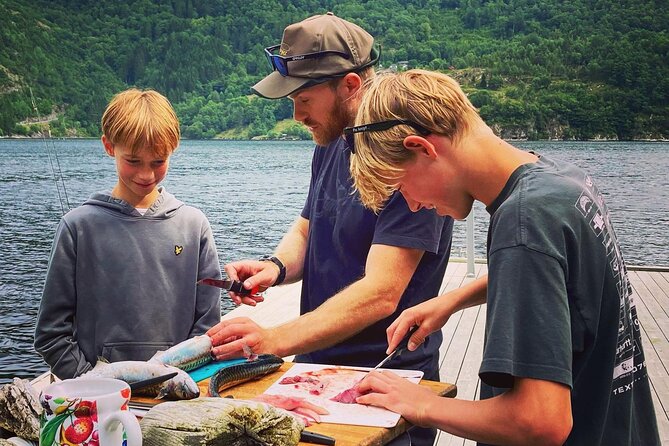
- Guides teach the follow-through: Federico, for example, is noted for teaching how to clean and filet what you catch.
Drangefjord inshore fishing: Viking-era surroundings, seals, and sea trout
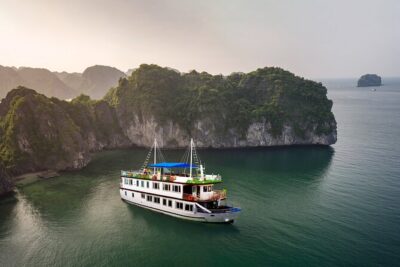
If you picture Norway as cliffs, cabins, and postcard boats, this is closer to the working rhythm of coastal life. The Drangefjord has conditions that make fish fishing make sense: fresh water at the surface helps shape the waters, and that can pull in species you want to target.
The best part is that you’re not fishing in a generic spot. You’re out in a real fjord system where seals live and where Viking-era settlements are part of the story around the water. Even if the Vikings are just a theme in the background for you, it changes your mindset once you’re on the water. You stop treating it like a simple activity and start treating it like a place with currents, feeding zones, and locals’ knowledge.
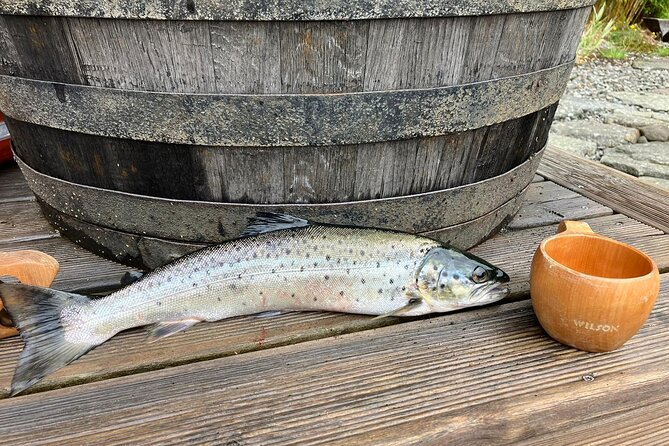
On paper, the headline species include sea trout, and the mix can also include cod, mackerel, garfish, sole, ling, and spider crabs. In real life, it often comes down to what the water gives you that day. Either way, you’ll understand what the guide is looking for and why your setup is the one they chose.
You can also read our reviews of more tours and experiences in Norway.
Getting there from Litlandstrand: evening timing and a private setup
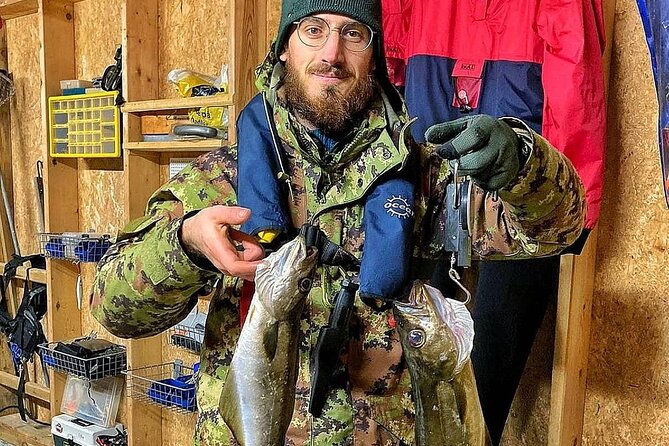
Your trip starts at Litlandstrand, Drange, Norway, and it ends back there. That matters more than it sounds. You’re not bouncing across multiple piers or transferring to a different boat mid-trip. You show up, meet your guide, and the fjord portion stays focused.
Timing is also specific. The listed operating hours run Monday through Friday from 4:00 PM to 9:00 PM. That evening window can be great if you want daylight for sightseeing and then a later, calmer-feeling outing on the water. It also means you’ll want to build the rest of your day around the start time, especially if you’re combining this with hikes or fjord viewpoints.
This is a private tour/activity, meaning only your group participates. That’s a big deal for first-timers. Instead of feeling rushed or competing for attention, you get a more personal pace for questions, tackle setup, and learning how each technique works.
What you actually do on the water: pots, troll nets, and chasing the best spots
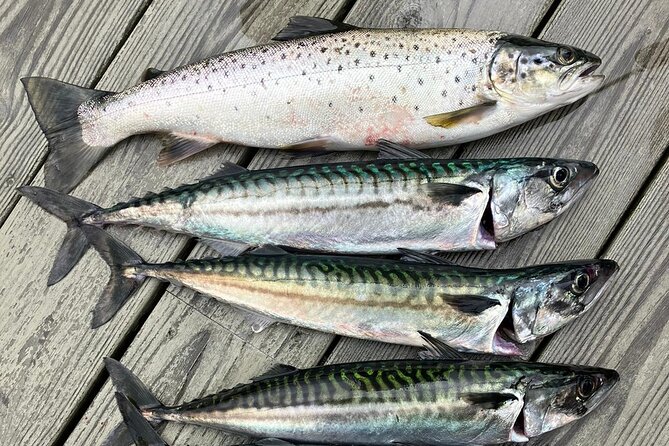
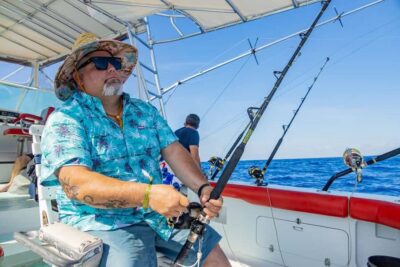
This is not just a “stand there and try your luck” style trip. The experience is built around traditional inshore fishing in Norway, with an expert guide alongside you as you move through the fjord’s productive areas.
Here’s how to think about the flow once you’re out:
- You begin with sailing along the coast and exploring fishing spots.
- You switch between fishing methods depending on where the guide is directing you.
- You learn the logic behind each method rather than repeating the same cast for two hours.
The techniques mentioned include fishing pots and troll nets. You might also see other traditional approaches introduced as you go, based on what’s working in that moment. The practical value is that you’re experiencing more than one way to fish. Even if you don’t land every species on your personal wish list, you still leave with real understanding of how coastal fishing operations differ from shore fishing.
Because you’re in a fjord with variable conditions, spot selection becomes the real skill. Your guide will suggest the best areas and explain what makes them promising. I like this style because it turns fishing into problem-solving. You start paying attention to water behavior and location choices rather than treating every minute as empty.
If you’re going with someone who’s skeptical about fishing, this structure usually wins them over. It feels like a guided craft lesson—hands-on, practical, and rooted in local practice.
What you might catch in Drangefjord: sea trout, mackerel, and more
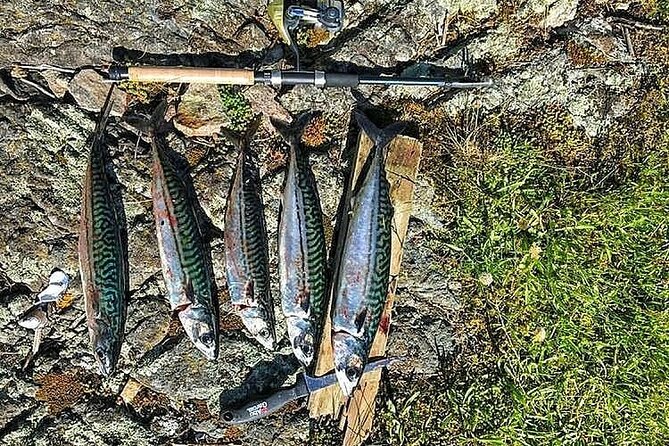
Let’s talk targets honestly. The fjord is described as a place where sea trout is famous, and it’s also suited for cod, mackerel, garfish, sole, ling, and spider crabs. That gives you variety, which is exactly what you want on an outing lasting about 2.5 hours.
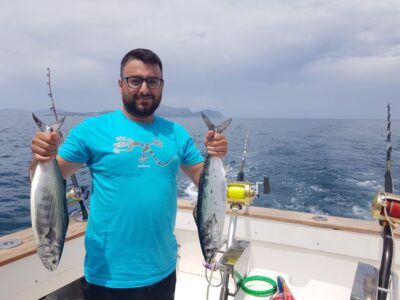
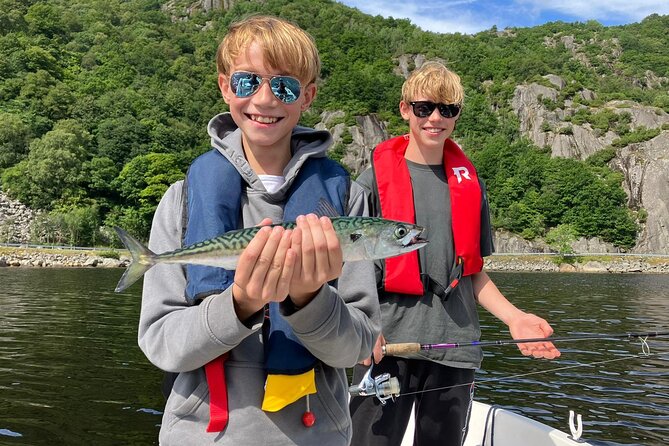
From what people describe, mackerel is a frequent win. There are accounts of catching a lot of mackerel, especially when the guide helps you use the right tackle and techniques. If your group has beginners, this is a nice detail: fast, understandable results help keep the energy up.
You might also spot seals. The trip frames seals as a possibility, and in at least one account, the group saw multiple seals. Even when you don’t see them, knowing the fjord’s seal presence is part of the appeal. It means you’re fishing in a living ecosystem, not a featureless area.
One wise expectation to keep: catching depends on the day. The guide can improve your odds with spot selection and technique, but the ocean still has its own plan.
The guide makes or breaks it: Federico, Luca, and Antonio’s teaching style
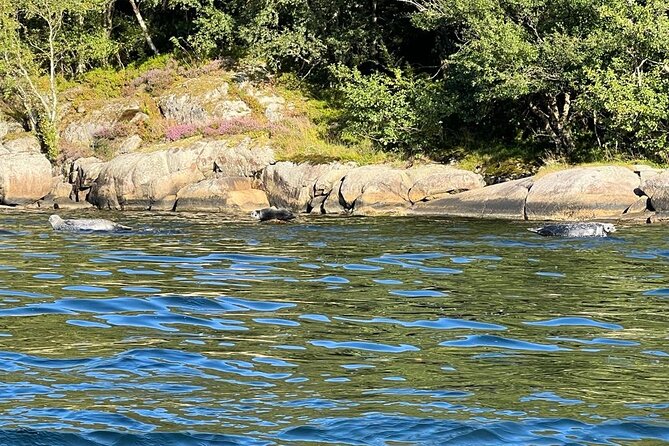
The strongest pattern in the experience is the human side: guides who talk, explain, and make learning feel doable.
Guides named in the stories include Federico and Luca, plus Antonio in one account. What stands out across these names is not just friendly conversation—it’s how they guide the fishing process:
- They help you use the right tackle.
- They talk through techniques while you’re doing them.
- They stay patient, especially with people trying fishing for the first time.
If you’re bringing family or friends who don’t know anything about fishing, this matters. You’ll want a guide who can go from basics to hands-on help without making anyone feel silly. The accounts point in that direction, including one where the person was the only first-timer and still managed to catch a small mackerel.
A really practical plus: after the catch, at least one guide (Federico) is described as teaching how to clean and filet the fish. That’s the kind of knowledge that doesn’t come from watching a video. It turns your trip into something usable at the table, not just something you photograph.
Boat-side comfort at Litlandstrand: toilets, places to sit, and waiting well
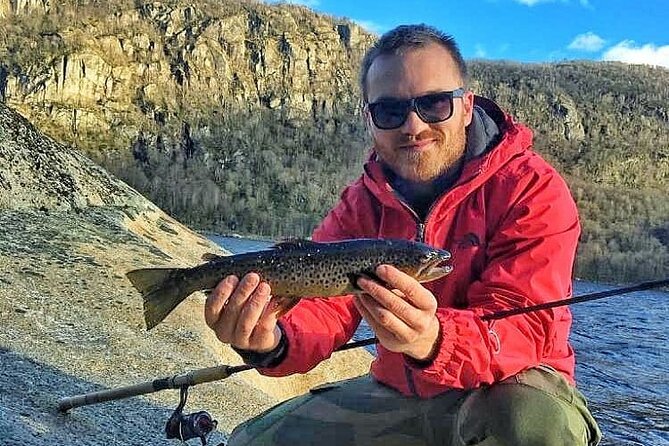
You’ll likely spend some time on site before you head out, so it’s good to know there’s real comfort nearby. One account mentions facilities at the boat side including a toilet and a spot to sit if you’re waiting. There’s also mention of a pleasant area to walk around while you’re figuring out the next steps.
That sounds small until you’re traveling with people who don’t want to hover uncomfortably in cold or wind before boarding. It also helps the trip feel more relaxed overall.
What you should bring matters more than amenities. Pack for Norwegain weather even if the day starts calm. In the evening window, temperatures can drop, and fjord wind can be sneaky. Aim for warm layers and a waterproof outer layer. You’ll thank yourself when you’re standing near the water while fishing is happening.
Price and value: $121.47 per person for 2.5 hours of real learning
At $121.47 per person, this isn’t a “bargain bait shop” outing. But you should judge it by what’s included in the experience: a guided inshore fishing session in the Drangefjord, exposure to multiple traditional techniques, sailing to fishing spots, and time spent learning on the water.
The big value driver is the private format. Since only your group participates, you’re paying for attention and instruction, not crowd management. If you’re traveling as a duo or a small family, the value often feels more reasonable because your attention per person stays high.
You’re also paying for the “local context” component: fjord conditions, spot choice, and an explanation of what’s going on under the surface. That’s harder to replicate on your own unless you already know the region and techniques.
So I’d treat the price as paying for expertise and time on the water, not just buying access to a rod. If you want to learn and actually understand the process, it’s a solid fit.
Weather and timing: why good conditions matter here
This experience requires good weather. That’s not just a legal line—it’s a reality for any fjord activity. If weather is poor, the plan can switch: you’ll be offered a different date or a full refund.
Because your trip runs in the afternoon-to-evening slot, weather can change quickly. If you’re juggling other Norway plans, keep some flexibility. If the operator offers a reschedule, take it seriously. You don’t want to force the trip into a time window that clashes with travel days.
The upside is that this weather requirement tends to protect the quality of the experience. When conditions are right, you’re out on the water with enough comfort and safety to focus on fishing rather than coping.
Who should book this Drangefjord trip (and who might skip it)
This is a strong match if:
- You want inshore fishing in Norway with guided instruction.
- You’re a first-timer who needs help with tackle and technique.
- You care about the fjord experience as much as the catch—seals, species variety, and local context.
- Your group likes a private, question-friendly setting.
It may be less ideal if:
- You hate unpredictability. Fishing and weather both affect outcomes.
- You can’t handle evening start times (Monday–Friday, 4:00 PM to 9:00 PM).
Should you book? My practical take
If your goal is to learn real fjord fishing methods and you want a private guide who can explain what’s happening, I’d book this. The combination of traditional techniques, the Drangefjord setting, and the chance for sea trout and mackerel makes it feel like a true Norwegian coastal experience rather than a quick tourist activity.
Book it when you can align with good weather, and keep your schedule flexible enough to handle a reschedule. If you do that, you’re likely to leave with more than photos: you’ll have technique basics, maybe a seal sighting, and—if the guide has time for it—help with cleaning and filleting your catch.
FAQ
Where does the tour start?
The meeting point is at Litlandstrand, Drange, Norway. The activity ends back at the meeting point.
How long is the inshore fishing trip?
It lasts about 2 hours 30 minutes.
What time does it run?
The listed opening hours are Monday to Friday from 4:00 PM to 9:00 PM.
Is this tour private?
Yes. It is a private tour/activity, and only your group participates.
What kind of fish could you target?
The experience describes sea trout, and also lists cod, mackerel, garfish, sole, ling, and spider crabs as possible targets.
What happens if weather is poor?
This experience requires good weather. If it’s canceled due to poor weather, you’ll be offered a different date or a full refund. Free cancellation is available up to 24 hours in advance for a full refund.