REVIEW · HOI AN
Hoi An Wet Rice Farming Tour Private Round Boat Fishing & Lunch
Book on Viator →Operated by Hung Le Travel-The Local Signature · Bookable on Viator
Mud, buffaloes, and live fish—sounds real, right? This private Hoi An tour strings together wet rice farming work, buffalo time, and hands-on waterway fishing that can feel more practical than any farm photo stop. I particularly like the you-do-it-yourself feel (tools, seeding, and mud-level work) and the added twist of basket boat fishing and crabbing, then releasing the catch back to the water. One thing to keep in mind: the schedule is listed as 4–5 hours, but the buffalo riding itself is only about 5 minutes, and some pieces depend on the option you choose.
You also get a change of scenery: rice fields first, then the Bay Mau coconut/mangrove zone. I liked that the Bay Mau stop includes local wartime stories—how people hid in mangroves and how helicopters played a role—so the countryside feels more human, not just scenic. The day wraps with hot food and a small food-and-coffee learning moment, including Cao Lau noodles and a Vietnamese coffee-making class.
This is built for a private group, with pickup/drop-off in Hoi An depending on your option, plus a mobile ticket. Dress like you might get damp; if you join the fish-catching part, you’ll want a change of clothes, and they provide mineral water and cold towels to help you reset.
In This Review
- Key Highlights You’ll Actually Remember
- Price and What $45 Buys in Real Life
- Entering the Cam Thanh Rice Fields: Buffalo Work and the Rice Life Cycle
- Tip for comfort
- Buffalo Riding Time: Short, Real, and Repeatable
- Catching Fish and Crabs: The Hands-On Basket Boat Portion
- Why this matters
- Bay Mau Coconut Forest: Local Stories Between Mangroves and War History
- Lunch and Coffee: Cao Lau Noodles and a Vietnamese Coffee-Making Class
- What to Pack (and What Might Surprise You)
- The one planning issue to watch
- Who This Tour Fits Best
- Should You Book It?
- FAQ
- How long is the Hoi An wet rice farming and boat fishing tour?
- Is pickup and drop-off included?
- What activities are included in the tour?
- Is buffalo riding included, and how long is it?
- Can I fish or catch crabs during the tour?
- Is lunch included?
- Do I need to bring a change of clothes?
- Does the tour include mineral water and towels?
- Is this tour private?
Key Highlights You’ll Actually Remember
- Hands-on wet rice farming tools like ploughs, harrows, and hoes
- Buffalo riding for about 5–8 minutes (you can ride again if you want)
- Catch fish under wet mud using simple local methods during the farm activity
- Basket/bamboo waterway fishing and crabbing, including bamboo-pole crabbing by a coconut tree
- Bay Mau coconut forest wartime stories, tied to local life during the Vietnam War
- Cao Lau lunch + Vietnamese coffee making, taught by your host
Price and What $45 Buys in Real Life
At $45 per person for a 4–5 hour private outing in Hoi An, you’re paying for a packed half-day that blends countryside work with small cultural stops. The good news: the big-ticket experiences are the ones you do yourself—rice farming, buffalo riding, and waterway fishing—so you’re not just being transported from viewpoint to viewpoint.
The slightly tricky part is that several line items are marked as depending on the option (lunch, buffalo riding time, basket-boat fishing/crabbing, and the coffee-making class). That means your best value comes from confirming what’s included in your exact package before you go. If you’re expecting every single component at full length, check the option details so there are no surprises mid-tour.
Since this is private, the experience is paced around your group instead of fitting everyone into a tight public schedule. For short, hands-on activities, that matters—especially when you’re trying buffaloes, nets, or crabbing poles where you want a bit of repetition.
You can also read our reviews of more tours and experiences in Hoi An.
Entering the Cam Thanh Rice Fields: Buffalo Work and the Rice Life Cycle
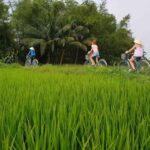
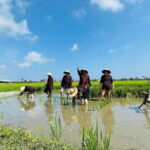
Cam Thanh is the practical start: you come into the rhythm of wet rice farming rather than just watching. The tour begins with a buffalo segment where buffaloes plough the mud to break it into smaller pieces—then you learn the basics of the rice life cycle. You’ll also use farming tools such as harrow, plough, and hoes during the seeding/planting part.
What makes this stop valuable is that it’s not presented as a museum-style lesson. It’s closer to daily work in the rice fields: you do steps, you follow instructions, and you get a sense of why each stage matters. When you’ve seen mud broken up and seedlings planted, it’s easier to understand how wet rice farming stays productive even in muddy conditions.
There’s also an activity where you can catch live fish living under the wet mud near the rice area. This is fun, but it’s also messy by design. Wear something you can tolerate getting wet and muddy, and plan for the fact that you may want a quick change afterward.
Tip for comfort
If you’re sensitive about getting dirty, bring a spare set of clothes and wear quick-dry layers. The tour provides cold towels, but it won’t prevent the mud from doing mud things.
Buffalo Riding Time: Short, Real, and Repeatable
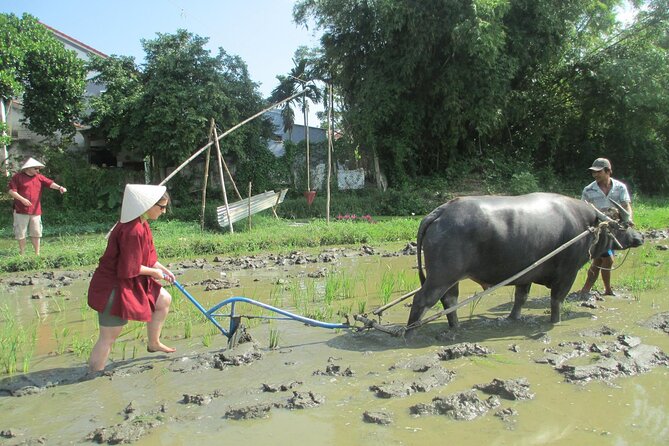
Buffalo riding is included, but the time is brief—about 5 minutes per ride, sometimes structured as 5–8 minutes depending on the option. The tour also notes you can ride again two or three times if you prefer, so you can stretch it out without losing the rest of the plan.
This is the part to calibrate your expectations on. If you’re coming for a long “ride-and-romance” segment, it may feel too short. If you’re coming for the feeling of being in the working landscape—plough, mud, and a buffalo guide steering you—then it’s a good match.
You’ll also be instructed on how buffaloes are cared for, including feeding grass. That small context turns the buffalo from a prop into part of the farming system, which is where the experience becomes more meaningful.
Catching Fish and Crabs: The Hands-On Basket Boat Portion
After the rice work, the day shifts toward the water side—Cao Lau lunch comes later, but the action gets more “on-the-water” from here.
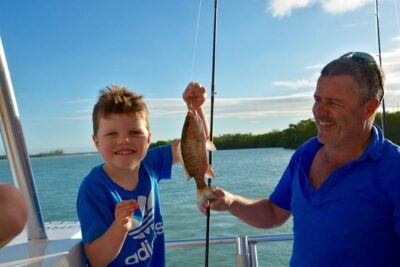
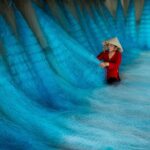
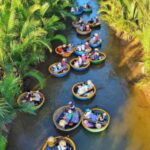
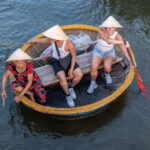
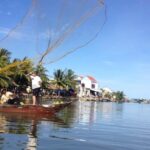
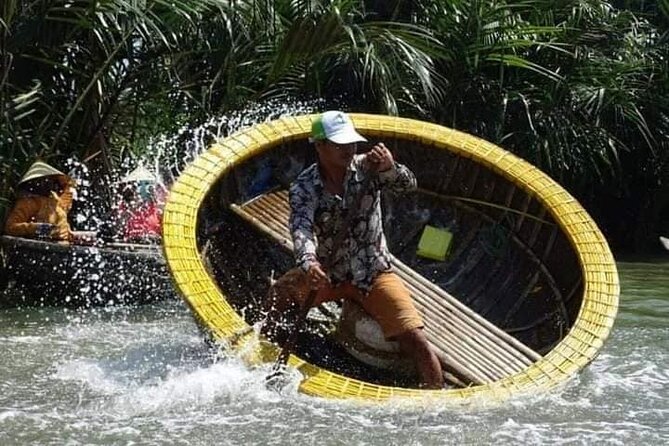
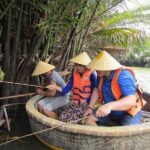
In the coconut forest area, you transfer to fishermen and go on a bamboo basket boat for fishing and crabbing. You can try methods like using a hand net, and you may also do lifting net fishing while you’re on the water. The exact mechanics can vary based on how your host times it, but the theme is consistent: you’re not just watching; you’re participating.
Crabbing is the other highlight. You’ll stop near a coconut tree and use bamboo poles to catch crabs. Then there’s an important practice: you give the fish and crab back alive afterward, matching the tour’s wish to return the catch to life.
Why this matters
For me, the best part isn’t catching something; it’s understanding how locals harvest from water without treating it like a disposable show. You’re still doing something hands-on and dramatic, but there’s a built-in expectation to respect the animals afterward.
This part can be a little bumpy, depending on boat conditions. If you’re prone to motion sickness, consider taking precautions before you go.
Bay Mau Coconut Forest: Local Stories Between Mangroves and War History
Bay Mau isn’t only about water activities. It also includes local stories about life during the Vietnam War, including how Viet Cong hid under mangrove areas. The story includes the role of helicopters in the conflict, connecting the landscape to lived experiences instead of treating the mangroves like scenery.
This is where your host’s storytelling can make or break the stop. If you ask a few questions—about how people used the mangrove environment for protection, or how daily life changed—you’ll likely walk away with more context than you’d get from a photo.
You get about an hour at Bay Mau, which is short but enough for the combo of story + movement + getting ready for the boat portion.
Lunch and Coffee: Cao Lau Noodles and a Vietnamese Coffee-Making Class
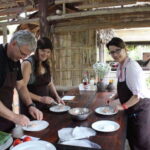
By the time lunch arrives, you’re ready for something hot and local. The tour includes lunch with Cao Lau noodles (depending on your option). Cao Lau is a Hoi An staple, and it’s a good choice after hands-on work because it’s hearty without being overly complicated.
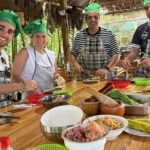
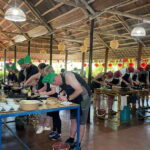
After lunch (or alongside it, based on timing), your host offers a Vietnamese coffee-making class. This is one of those small add-ons that turns a tour into a take-home skill. Even if you’ve had Vietnamese coffee before, the class format makes it more interactive than a restaurant order-and-go moment.
If you’re the type who likes food souvenirs beyond pictures, this part will land well. If you’re more focused on outdoor activities and less interested in food demonstrations, it can still be a good break—especially after the mud and water segments.
What to Pack (and What Might Surprise You)
This tour asks you to move through wet, working spaces, not just “look and listen.” Based on the experience description, here’s what I’d plan for:
- A change of clothes if you join the fish-catching part at the rice fields
- Clothing you don’t mind getting dirty for the mud portion
- Comfortable footwear you can stand in during boat time
- A light layer or rain-friendly top, since you’ll be outdoors for several hours
They also include mineral water and cold towel service, which helps if you get warm after outdoor work.
The one planning issue to watch
Buffalo riding is limited to about 5 minutes per ride, and some elements (lunch and the coffee class) depend on your option. If your goal is maximum time in the field or on the water, double-check what your booking includes so you get the mix you want.
Who This Tour Fits Best
This experience is a strong match if you want:
- Hands-on activities in Hoi An’s countryside (farming tools, nets, and crabbing poles)
- A day that mixes nature with short, story-based cultural context
- A private setting where you can repeat buffalo riding a couple times if you want
It may be a weaker fit if you:
- Want a long, sit-down tour where most of the time is indoors or on paved paths
- Are uncomfortable with getting muddy or damp
- Expect every listed activity to take a long time—some parts are intentionally short, like the buffalo riding
Should You Book It?
Book this if your idea of a great Hoi An day is messy, active, and real—wet rice farming plus a waterway fishing/crabbing session, then a local meal and coffee class. It’s also a good value if your chosen option includes buffalo time, lunch, and the coffee-making lesson.
Hold off or verify the details if you’re trying to squeeze every activity into a long, uninterrupted experience. The buffalo ride is time-limited, and some components depend on your package choice. Once you align the option with your expectations, this becomes a memorable, hands-on half-day in the countryside.
FAQ
How long is the Hoi An wet rice farming and boat fishing tour?
The duration is listed as about 4 to 5 hours.
Is pickup and drop-off included?
Pickup and drop-off in Hoi An are included depending on the option you choose.
What activities are included in the tour?
You’ll join wet rice farming activities, ride buffaloes (depending on option), take part in basket boat fishing and crabbing (depending on option), and visit the coconut forest area. The tour also includes lunch and a Vietnamese coffee-making class depending on the option.
Is buffalo riding included, and how long is it?
Buffalo riding is included depending on your option, with ride time described as about 5–8 minutes, and you may be able to ride again multiple times if you prefer.
Can I fish or catch crabs during the tour?
Yes. The tour includes fishing by hand net and lift net methods, and crabbing using bamboo poles near a coconut tree (depending on option).
Is lunch included?
Lunch with Cao Lau noodles is included depending on the option you select.
Do I need to bring a change of clothes?
If you join the fish-catching activity at the rice fields, you should bring clothes to change.
Does the tour include mineral water and towels?
Yes. Mineral water and cold towels are included.
Is this tour private?
Yes. It’s private, meaning only your group participates.