REVIEW · VIESTE
Fishing Experience – Molinella Trabucco
Book on Viator →Operated by Esperienza di pesca sul Trabucco · Bookable on Viator
A wooden platform, salt air, and an old-school fishing machine.
This Molinella Trabucco experience is one of the few chances in Vieste to see (and help with) centuries-old trabucchi fishing without modern electronics. I especially like the practical, do-something approach and the included rustic apéritif that turns the evening into more than a quick demo. One possible drawback to plan for: weather and fish luck matter, and if conditions are rough you may see limited catches.
You’ll meet at the Trabucco of MolineBaia di Molinella in Vieste at 6:00 pm and the outing runs about 50 minutes. It’s offered in English, you get a mobile ticket, and it’s a private activity for your group—plus service animals are allowed and most people can participate. If you’re hoping for guaranteed action, keep your expectations flexible; this is traditional fishing and it’s also real work.
In This Review
- Key highlights at Molinella Trabucco
- Why Gargano trabucchi are more than a photo stop
- Finding the Trabucco of MolineBaia di Molinella (and why timing matters)
- The trebuchet fishing method, explained in plain terms
- Your hands-on role: winches, nets, and collecting fish
- The apéritif break: rustic pizza, taralli, wine, and olives
- What good weather changes (and what you can do about it)
- Price vs. what you’re really paying for ($22.83 for ~50 minutes)
- Who this fits best: families, culture fans, and hands-on learners
- Common hiccups: delays and the no-show issue to take seriously
- The best way to get the most out of your 50 minutes
- Should you book Molinella Trabucco?
- FAQ
- Where does the Molinella Trabucco fishing experience start?
- What time does the tour start?
- How long is the experience?
- Is the experience offered in English?
- What’s included during the fishing experience?
- Is this a private tour?
- Is there free cancellation?
Key highlights at Molinella Trabucco
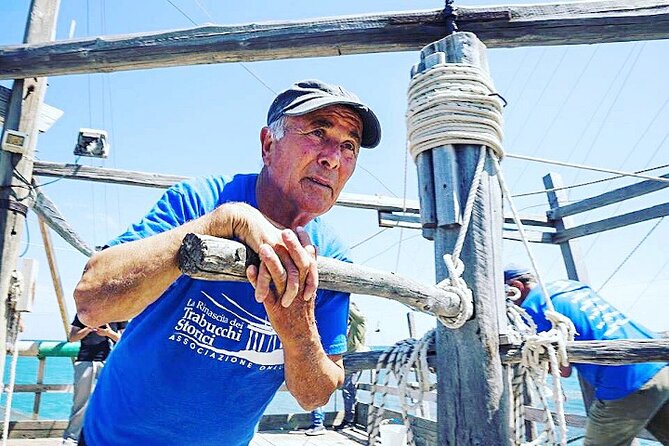
- Hands-on winches and nets: you help operate equipment used by trabuccolanti (keepers of the ancient art).
- Built for the era before tech: no engines, eco-sounders, or computers—just skill, timing, and tides.
- Short apéritif break: rustic pizza, taralli, wine, olives, and water in between fishing moments.
- Historic Gargano trabucchi focus: built as cultural and historical heritage of Puglia.
- Guides who explain the engineering: you’ll learn what makes the trebuchet fishing system tick.
- Works best with good weather: the experience depends on local conditions.
Why Gargano trabucchi are more than a photo stop
The Gargano trabucchi are centuries old and were once the backbone of the local fishing economy. That history isn’t just background fluff; it shapes how this experience runs. You’re not watching a modern boat crew do a routine. You’re watching an older method—one where the structure, the gear, and the fishermen’s knowledge all matter.
I like that the framing here is both cultural and practical. These platforms are often talked about as heritage, but the real point is how they solved a serious problem: catching fish using the coastline and a carefully managed setup, long before the world got easier with electronics.
Also, the experience tends to give you the human side of the work—fatigue, patience, and hope—because this method was built for long days and tight coordination. It helps you understand why people kept using these systems for generations.
You can also read our reviews of more tours and experiences in Vieste.
Finding the Trabucco of MolineBaia di Molinella (and why timing matters)
Your meeting point is the Trabucco of MolineBaia di Molinella in Vieste (71019). The start time is 6:00 pm, and the activity is about 50 minutes.
That timing is smart if you want an evening that still feels like daytime life in the area. It’s not a sleepy sunset show where you’re standing around for hours. Instead, it’s a short window where you get a demonstration and a chance to participate, plus a small food break.
Because the experience requires good weather, you should think of your 6 pm time slot as the “go/no-go” moment. If conditions shift, the operator may offer another date or a refund—so if you’re scheduling other evening plans, give yourself some flexibility.
The trebuchet fishing method, explained in plain terms
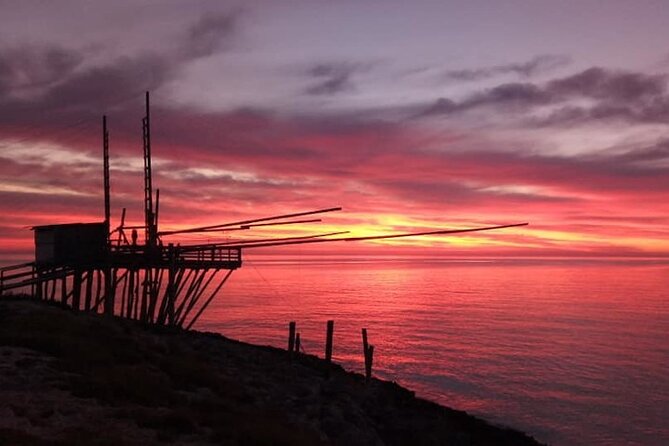
The trabucco system uses a trebuchet-style setup (often described as trebuchet fishing) that helps position nets and gear. The big difference from modern fishing is what’s missing: you won’t see engines or electronic fish-finders. You also won’t see computers managing everything for the crew.
Instead, your guide and the trabuccolanti focus on the mechanics:
- How the structure is designed to let the system work from the platform
- How winches help control the gear
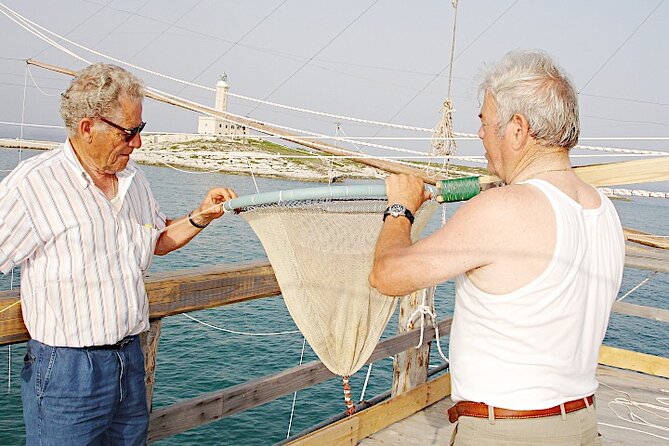
- How the net is pulled and retrieved
- How timing affects what you get
One useful takeaway: this is engineering that locals used as a working tool, not a museum piece. Even if you’ve never seen a trabucco before, you’ll likely understand the logic fast because it’s demonstrated with real motion—gear moves, nets come in, and the crew reacts based on what’s happening.
Your hands-on role: winches, nets, and collecting fish
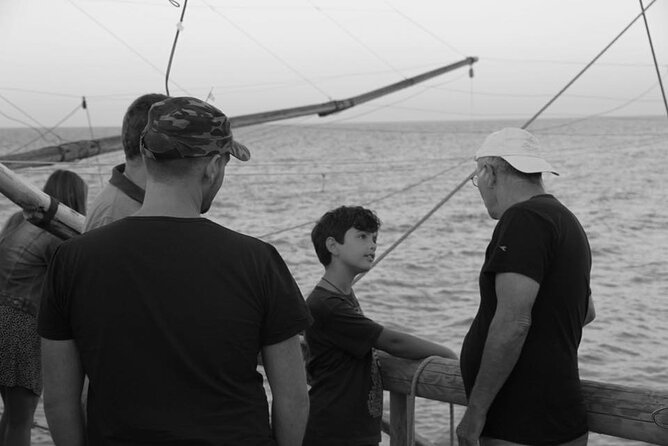
This is one of the reasons I like this experience so much. It doesn’t just stand there and explain itself. You can help operate parts of the process.
You may be asked to:
- Assist the mastri trabuccolanti (masters/keepers) by operating winches
- Help pull nets back in during the fishing moments
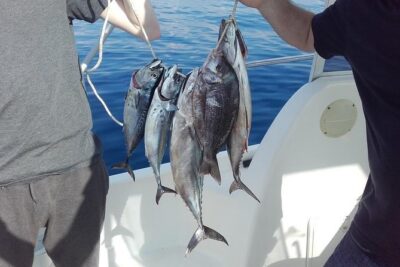
- Participate in collecting fish when the system brings them up
That’s the heart of the value. If you like experiences where you’re not just a spectator, you’ll feel the difference immediately. You also get a better respect for what makes this method hard: it takes coordinated effort, and the work happens at the pace of the gear.
And yes—some sessions are better than others. A couple of the accounts mention limited catches when weather was less cooperative. That doesn’t mean the experience is wasted; it means you’re seeing traditional fishing as it really is, not as a guaranteed performance.
The apéritif break: rustic pizza, taralli, wine, and olives
Between fishing trips (or between fishing moments), you’ll be offered a small refreshment: rustic pizza, taralli, wine, olives, and water.
This isn’t just a snack stop. It’s the built-in “conversation time” that turns a short technical demo into something more social. The setting is a working platform by the water, and that food break gives you a chance to ask questions when the crew’s in a calmer rhythm.
A small detail with big payoff: taralli and olives aren’t random add-ons. They feel like the kind of regional, practical food that matches the vibe of the evening—simple, local, and meant to keep you going during real activity.
If you’re going with kids, this part can also be a nice reset, especially if the fishing moments take a bit longer than you expected.
What good weather changes (and what you can do about it)
This experience requires good weather. That’s stated clearly, and it shows up in real life: the platform, the sea conditions, and visibility all affect what happens on the fishing side.
When conditions are solid, you’ll get the smooth version of the show: gear moves, demonstrations happen, and you may see more action with the net. When conditions are rougher, catches can be limited—one account described only a few fish in the end.
My advice: think of success here as participation and understanding, not just the number of fish. If you go in expecting a sure haul, you’ll likely feel let down. If you go in ready to learn and help, you’ll still leave with a story.
Price vs. what you’re really paying for ($22.83 for ~50 minutes)
At $22.83 per person, the outing isn’t trying to compete with boat tours on scale. It’s a focused, hands-on slice of cultural fishing practice.
Here’s what justifies the cost:
- You’re participating in a working method using historic gear
- You’re guided in English (so it’s not a “stand and guess” situation)
- You get the apéritif between fishing moments
- It’s a private group experience, so you’re not packed into a huge crowd
For me, the value lands when I want something authentic and different from the usual sightseeing rhythm. If your trip is already heavy on churches and viewpoints, this adds a working-life angle—how people actually made a living on the Gargano.
Who this fits best: families, culture fans, and hands-on learners
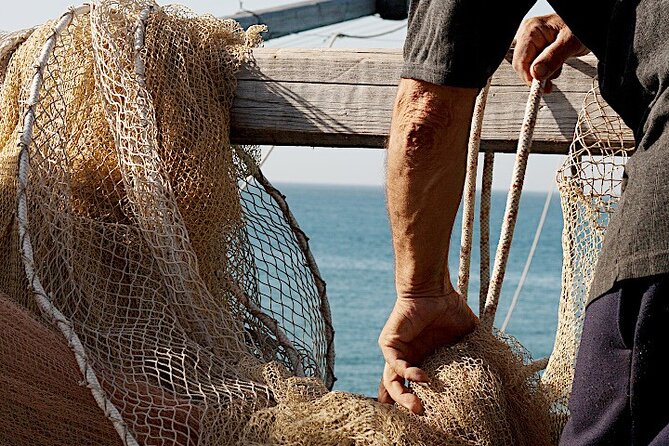
This tends to work well for a range of ages. One review highlighted that children got involved with real enthusiasm, and the hands-on nature makes it easier for kids to stay interested.
It’s also a great match if you care about:
- Local history that you can physically see
- Engineering-and-work stories (the platform’s design matters)
- Maritime culture without the modern speed-and-slick approach
If you’re traveling with people who dislike crowded group tours, the private format is a bonus. It keeps the experience calmer and easier to ask questions.
Common hiccups: delays and the no-show issue to take seriously
A key note to respect: there are reports of no-show problems with the booking, including waiting at the location and trouble getting a refund through TripAdvisor. That’s not something I’d ignore.
So here’s how you protect your evening without stressing yourself out:
- Arrive a little early so you have time to confirm you’re at the right spot
- Keep your booking details ready on your phone (mobile ticket helps)
- If you don’t see the group after a reasonable wait, use the contact method provided with your reservation rather than assuming it will sort itself out
Also remember the experience can be canceled for poor weather or due to minimum traveler requirements. That’s normal for outdoor, seasonal activities, but it reinforces the idea of keeping your schedule flexible.
The best way to get the most out of your 50 minutes
Because the tour is about 50 minutes, you’ll want to treat it like a concentrated workshop.
A few practical tips:
- Wear footwear you don’t mind getting a little damp from coastal air and mist
- Dress in layers; evening breezes can change fast near the water
- Bring a willingness to participate even if you’re not sure what you’re doing—the crew’s job is to guide you through the process
- Eat during the apéritif break; it’s part of the rhythm, not a bonus afterthought
And if you care about cultural context, ask questions about why these platforms fell out of everyday use and what conservation is trying to preserve. One of the most meaningful themes is that the work supports conservation and reconstruction efforts tied to these historical structures.
Should you book Molinella Trabucco?
I’d book this if you want something genuinely different in Vieste. It’s short, it’s hands-on, it’s tied to a real working history, and it includes a simple but very local apéritif.
Skip it (or rethink it) if your main goal is a guaranteed big catch and perfect weather. Traditional fishing doesn’t promise outcomes. It promises the method, the teamwork, and the chance to understand how the Gargano used to fish.
If you’re okay with a bit of unpredictability and you like learning by doing, this is the kind of evening that sticks.
FAQ
Where does the Molinella Trabucco fishing experience start?
You meet at the Trabucco of MolineBaia di Molinella, 71019 Vieste FG, Italy. The activity ends back at the meeting point.
What time does the tour start?
The start time is 6:00 pm.
How long is the experience?
It lasts approximately 50 minutes.
Is the experience offered in English?
Yes, the experience is offered in English.
What’s included during the fishing experience?
You’ll be able to watch and participate in traditional fishing on the storico trabucco, and a small refreshment is included between fishing trips (rustic pizza, taralli, wine, olives, water).
Is this a private tour?
Yes. It’s a private tour/activity, and only your group will participate.
Is there free cancellation?
Yes. You can cancel for a full refund if you cancel at least 24 hours in advance. The experience requires good weather, and if it’s canceled due to poor weather you’ll be offered a different date or a full refund.