REVIEW · RUKA
Ruka: Ice fishing trip
Book on GetYourGuide →Operated by Ruka Safaris · Bookable on GetYourGuide
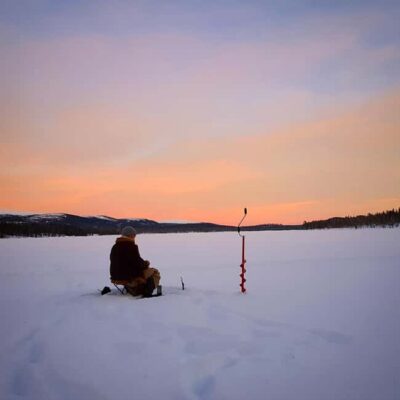
Ice fishing in Ruka feels like local winter theater—cold, quiet, and hands-on. You’ll be on a frozen lake learning the Finnish art of pilkki, with a guide showing you how to drill and fish the right way. I especially like that it’s built around actually doing the steps—hole, line, patience—so the whole time feels practical, not just scenic.
Two things I really value here: first, the chance to catch multiple Finnish species like perch, whitefish, roach, pike, or even grayling. Second, the break and fish prep—if you catch something, your guide shows you how to prepare it by an open fire, then you warm up with coffee, tea, and a snack. The main drawback to keep in mind is simple: it’s a fishing trip, so you might not catch fish. Even when guides do everything right, winter fish can be picky.
In This Review
- Key Things You Should Know Before You Go
- Pilkki on the Frozen Lake: What the 3 Hours Actually Look Like
- Ruka Pickup Timing: How Not to Miss the Start
- Snowshoes to the Lake: The First Moment You Feel the Cold
- Drilling the Hole and Learning the Rods (So You’re Not Guessing)
- What You Can Catch: Perch to Grayling
- Coffee by the Fire: The Break That Makes Cold Weather Work
- If You Catch Fish: Preparation by Open Fire
- Group Size and the Social Reality of Ice Fishing
- Price and Value: Is $111 Worth 3 Hours in Finland?
- What to Bring: Warmth for Hands Is the Game
- Who Should Book This Ruka Ice Fishing Trip
- Should You Book It? My Practical Verdict
- FAQ
- How long is the ice fishing trip from Ruka?
- How much does it cost per person?
- Where is the tour located?
- Is pickup included in the price?
- What times does the pickup happen?
- What language is the guide?
- What should I bring?
- What fish can I catch?
- Is fish preparation included?
- What if the tour is cancelled?
Key Things You Should Know Before You Go
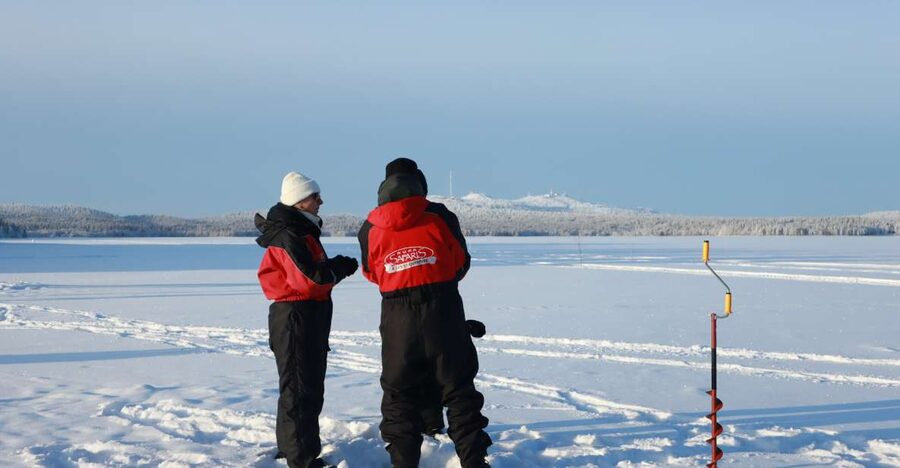
- Pilkki (ice fishing) is a top local hobby in Northern Ostrobothnia, so you’re learning something real, not a tourist gimmick.
- Short snowshoe walk to the lake sets the tone quickly and gets you onto the ice without a long slog.
- Your guide teaches the hole and the rods, so you’re not guessing when the ice is thick.
- You may catch several species, including perch, whitefish, roach, pike, and grayling.
- If you catch fish, you’ll see how to prepare it by an open fire.
- Groups can be busy, so be ready for shared space if you want maximum quiet.
Pilkki on the Frozen Lake: What the 3 Hours Actually Look Like
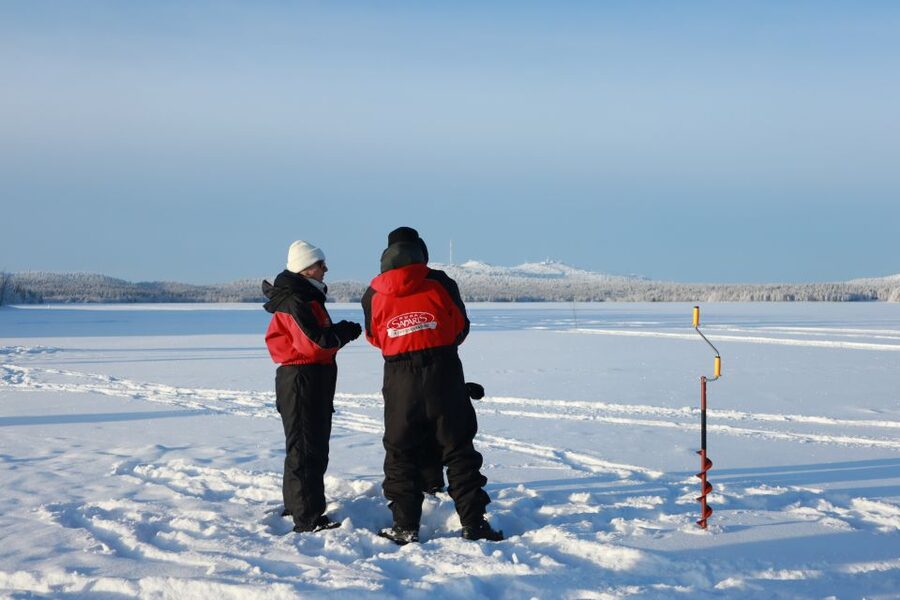
This experience is built for the real rhythm of winter fishing. You’ll start in the Ruka area and head out for a 3-hour session centered on pilkki, the Finnish term for ice fishing. The point isn’t just to stand around—it’s to learn how to fish through the ice, then try to catch as much as you can during your time out there.
When I think of good winter activities, I look for two things: time well used and a sense that locals are doing the same thing you’re doing. Here, the whole plan is built around that local logic. Ice fishing is one of the most popular hobbies from the area, and you’ll feel that in the way the guide runs the session—practical, calm, and focused on getting your line working.
Now, a quick reality check. You’re outdoors in Northern Ostrobothnia winter conditions, and fish aren’t guaranteed. Even in the best setup, you might find the group has mixed results. That said, the experience still works because you’re getting instruction, warm-ups, and the campfire break.
Ruka Pickup Timing: How Not to Miss the Start
The tour includes pickup from the Ruka area in the price, which saves you the hassle of figuring out your own transportation. The activity start time is listed as 10:15, but pickup times vary depending on which stop you select.
As examples of what you might see:
- Ruka Village Skibus Stop pickup is around 9:45
- Ruka Valley Skibus Stop pickup is around 9:55
- Mastonaitio Skibus Stop pickup is around 10:00
- Rukan Salonki Pick Up Point pickup is around 9:25
If you’re relying on GPS, add a little buffer to your morning. One of the best practical takeaways from past guests is that the pickup spot can be easy to misread from a map view. You’ll have a guide waiting at the scheduled pickup point, so plan to arrive early and confirm you’re at the exact stop.
Snowshoes to the Lake: The First Moment You Feel the Cold
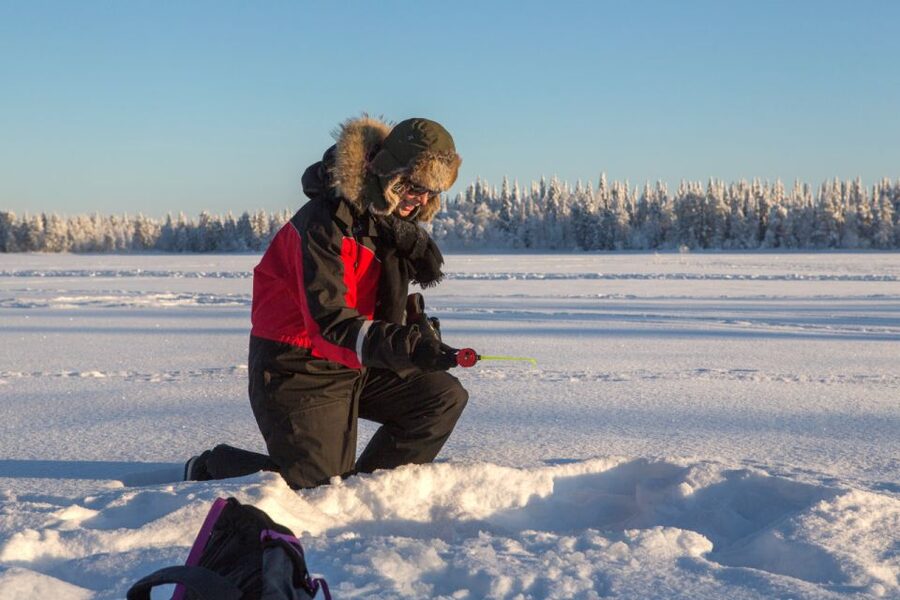
Once you meet your guide, you’ll head out with snowshoes and walk a short distance to the lake. This is one of those small details that changes the whole vibe. You’re not just getting to the ice—you’re traveling across it the way people do locally during winter.
The walk also helps you warm up in the right way. You’ll move your body before you settle into the patience part of fishing. That matters because once you’re at your hole, you’ll spend time holding steady and working slowly—your hands will do most of the effort, and cold can sneak in fast.
This is also where I’d take the guest feedback seriously: cover your hands well. Even if the rest of your outfit is warm, thin gloves or uncovered wrists can make the “first drilling and first casting” moment feel longer than it should.
Drilling the Hole and Learning the Rods (So You’re Not Guessing)
The core of the trip is instruction. Your guide will explain how to drill a hole and how the fishing rods work. That matters because ice fishing isn’t the same as casting from shore. The line, the setup, and how you respond to bites are all different once you’re working with a hole in the ice.
What I like about this teaching approach is that it gives you confidence quickly. You don’t need to be an expert. You just need to follow the guide’s steps, then try. The goal is to keep the learning curve short so you actually spend your 3 hours fishing, not studying.
And you’ll also get a sense of technique by watching others. Most groups will have beginners and experienced fishers side by side, and the guide will keep things moving. That reduces the usual “I’m lost and everyone else knows what they’re doing” frustration.
What You Can Catch: Perch to Grayling
This is one of the most exciting parts of the whole plan. You may catch perch, whitefish, roach, pike, or even grayling. That list gives you options, and it also tells you this trip isn’t focused on one single species.
Still, be realistic. Some sessions are more productive than others. It’s possible to finish the trip without catching anything—ice fishing does that sometimes, even with great instruction. One past guest actually caught only the single fish in the group, then released it because it was too small. That’s a good reminder that results vary, but you’ll be doing the right things along the way.
If you do catch fish, pay attention during the next step. The guide doesn’t just say what fish is—it shows you what to do with it.
Coffee by the Fire: The Break That Makes Cold Weather Work
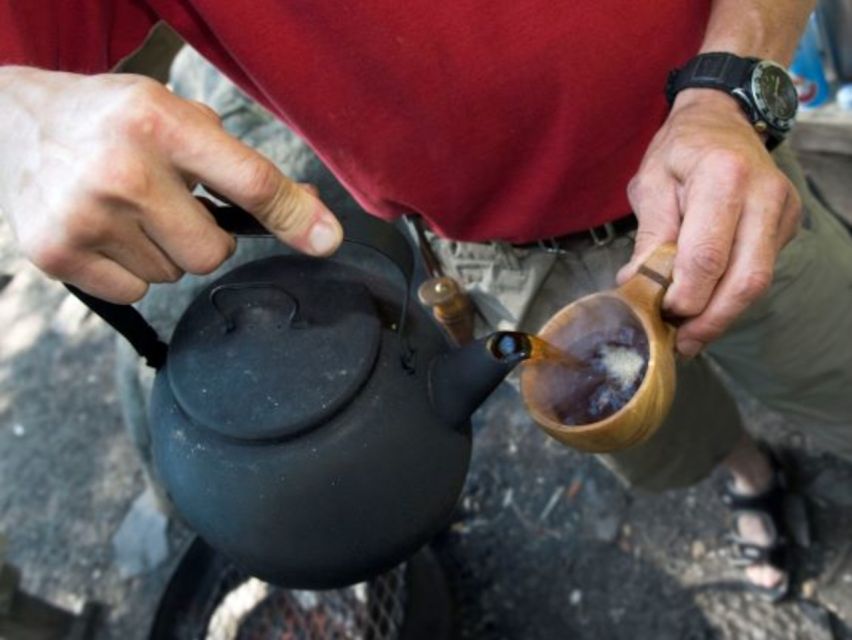
The tour includes a scheduled break where you warm up with coffee, tea, and a snack, and it’s done alongside an open fire. This is the part that keeps the trip enjoyable even if the fishing is slow.
The fire also adds a useful rhythm to the session. Instead of freezing through a long stretch of inactivity, you get a planned reset. That means your hands and attention can recover, so the second half doesn’t feel like a survival test.
Guests have specifically called out the morning snack and the comfort of being around the fire. It’s a small detail, but it’s exactly what you want on a winter trip: real warmth and a quick bite without turning the schedule into a long meal stop.
If You Catch Fish: Preparation by Open Fire
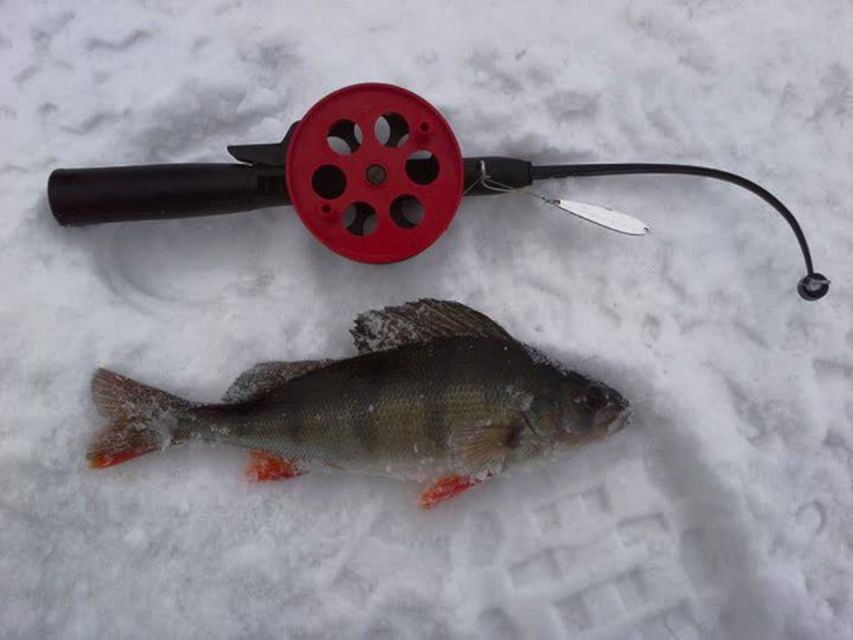
One of the most memorable elements is what happens if you catch fish. Your guide will show you how to prepare the fish by an open fire.
Even if cooking isn’t your thing, I think this part is valuable because it connects you to how locals treat the catch. It turns your “I caught a fish” moment into “I understand what comes next.” You also get to see that fish prep can be straightforward when someone teaches you in the field.
Do note the condition: the fish-prep demo is tied to whether you catch fish. If you don’t catch anything, your best bet is to focus on learning the fishing technique and the winter routine, then enjoy the break and the overall experience.
Group Size and the Social Reality of Ice Fishing
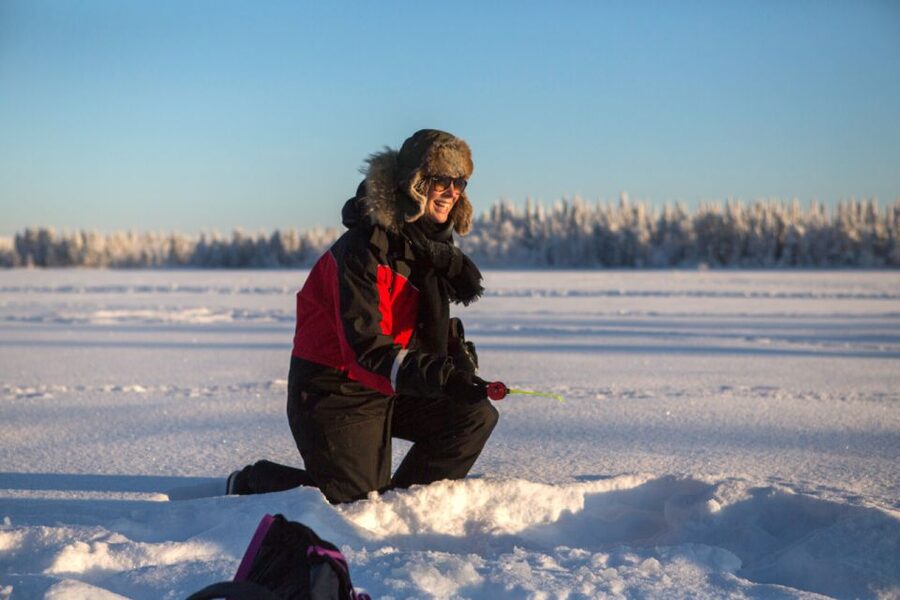
This isn’t a private experience. It’s described as open departure, and the trip runs if a minimum of 4 persons join. That affects both energy and logistics.
A balanced way to think about it: you’ll share gear space and lake-side space with a group. That’s part of the charm for many people—there’s usually a friendly buzz around learning. But if you strongly prefer quiet, you may find it a bit crowded depending on how many people show up.
This shows up in feedback too: some guests felt the group was a little too big, while also praising the guides as friendly. So you can expect a social environment, with the staff working to keep things smooth.
Price and Value: Is $111 Worth 3 Hours in Finland?
At about $111 per person for a 3-hour trip, you’re paying for three main value blocks: instruction, winter field time, and included pickup.
The instruction matters because it can be hard to figure out ice fishing basics on your own—drilling, rod setup, and how to respond when something bites. The pickup included in the price also reduces friction. You don’t have to arrange transport or worry about finding the right spot by yourself (just show up on time at your chosen stop).
Then there’s the added value of what’s included at the break. You’re not just standing outside. You get coffee, tea, and a snack by an open fire, plus a chance to learn fish prep if you catch anything. That combination—learn, fish, warm up—makes the total experience feel more complete than a short “try it once” activity.
Is it worth it? If you want a hands-on winter activity that feels grounded in local hobby culture, yes. If you’re only interested in guaranteed fish on the line, you might want to rethink expectations.
What to Bring: Warmth for Hands Is the Game
You’re told to bring comfortable clothes, which is a start—but in practice, your comfort will depend on keeping your hands warm and your layers dry. One guest specifically advised covering your hands well, and that’s the kind of advice you should trust in a winter fishing context.
So plan for:
- Warm layers you can move in during the snowshoe walk
- Gloves that let you handle lines and small tasks
- Protection so your wrists and hands don’t get “cold creep”
If you already dress for real Finnish winter days, you’re likely on track. This is not a light jacket kind of experience.
Who Should Book This Ruka Ice Fishing Trip
This tour fits best if you enjoy learning a local skill, you’re comfortable outdoors, and you don’t need perfection from a fishing outcome.
I’d especially recommend it for:
- Couples or small groups who want a shared winter adventure
- First-timers who want guided instruction, not DIY uncertainty
- People who like food-and-campfire moments tied to real activities
- Anyone in Ruka who wants an experience that feels like it belongs to the region, not just the resort
If you’re traveling with kids, you’d want to consider how long you’ll sit outside fishing. The trip is only 3 hours, but the cold is real. And if you hate group logistics, note that it’s a group departure.
Should You Book It? My Practical Verdict
I’d book this Ruka ice fishing trip if you want a true hands-on pilkki experience with a guide, included pickup, and a warm break that actually makes sense for winter. The strongest reasons to go are the instruction on drilling and rods, the chance at multiple fish species, and the campfire routine with coffee, tea, and snack—plus fish prep if you catch something.
I’d think twice if your main goal is guaranteed fish, or if you’re very sensitive to cold hands and don’t have the right gloves and layering. Also, if you strongly dislike crowds, you might want to pick a time when fewer people join, since group size can affect comfort.
If you’re okay with winter being winter—cold, unpredictable, and rewarding when it works—this is a solid value-packed outing from Ruka.
FAQ
How long is the ice fishing trip from Ruka?
The experience runs for 3 hours.
How much does it cost per person?
The price is $111 per person.
Where is the tour located?
It takes place in Northern Ostrobothnia, Finland, around the Ruka area and a frozen lake.
Is pickup included in the price?
Yes. Pickup from the Ruka area is included.
What times does the pickup happen?
Pickup time depends on your chosen stop, but the activity starting time is 10:15. Pickup examples range from about 9:25 to 10:00 depending on the location.
What language is the guide?
The live tour guide speaks English and Finnish.
What should I bring?
Bring comfortable clothes. Guests also suggest covering your hands well.
What fish can I catch?
You may catch perch, whitefish, roach, pike, or grayling.
Is fish preparation included?
If you catch fish, your guide will show you how to prepare the fish by an open fire.
What if the tour is cancelled?
The program runs if a minimum of 4 persons join. If it’s cancelled, you’ll be notified by the latest at 3 p.m. the day before.
If you want, tell me your travel month and whether you’re a total first-timer or a confident ice fisher—I can help you set expectations for what your 3 hours are most likely to feel like.