REVIEW · WHISTLER
Guided Fishing Adventure in Whistler
Book on Viator →Operated by Whistler Year-Round Fishing · Bookable on Viator
Cold water, hot skill.
This guided fishing adventure in Whistler is built around catch-and-release fishing near Whistler Village, so the trip stays focused on the experience, not keeping fish. I like how hotel pickup and drop-off remove the stress of getting to remote water. The one thing to consider is the physical side: you’ll do some wading and walking, and the tour asks for moderate fitness.
What really makes this outing click is the way the guide manages the whole flow—getting you outfitted fast, then moving you to where the fish are active. Guides like Matt, Cole, and Dawson are repeatedly praised for being patient with first-timers and for adapting when someone needs a different approach. On the logistics side, you’ll still need to buy your own fishing licence and bring any snacks or water you want, since those aren’t included.
In This Review
- Key things I’d bank on before you go
- Catch-and-release near Whistler Village: what the rules mean for your day
- Hotel pickup, provided waders, and fly-rod learning you don’t have to sweat
- The 3-hour rhythm: from pickup to wading and releasing fish
- Morning, afternoon, or evening departures: timing changes the feel
- Species and water types: trout, salmon, and where the guide puts you
- Guides who adjust to your level: what that looks like on the water
- Trekking, cold water, and what to wear (without turning it into a gear hunt)
- Price and value check: why $165.22 can make sense in Whistler
- Who should book this guided fishing adventure
- Quick decision help: should you book?
- FAQ
- Do they keep the fish, or is it catch-and-release only?
- Is a fishing licence included?
- What gear is provided for the fishing?
- Do I get pickup and drop-off in Whistler?
- How physically demanding is this trip?
- What are the age and weight limits?
- What happens if the trip is canceled due to weather?
Key things I’d bank on before you go
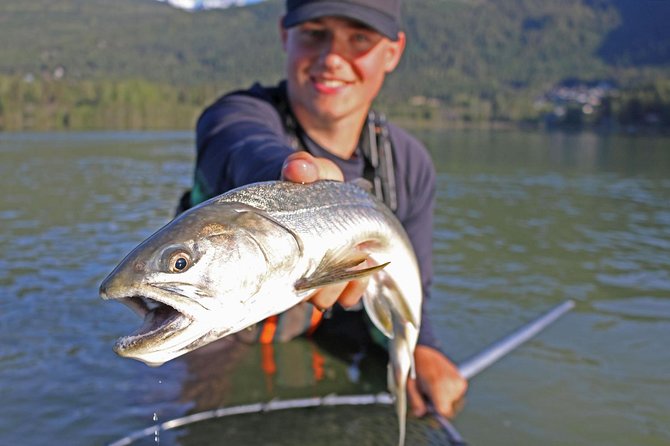
- Catch-and-release only, with no exceptions (you’ll unhook and release the fish you catch)
- Waders, boots, rod, and tackle are provided, so you can travel light
- Up to 5 travelers and not private, so you may fish in a small mixed group
- Beginner-friendly teaching, including fly-fishing technique and line handling
- Some trekking and wading, so plan for boots-in-the-water time and a little walking
- Morning, afternoon, or evening departures, so you can pick the vibe
Catch-and-release near Whistler Village: what the rules mean for your day
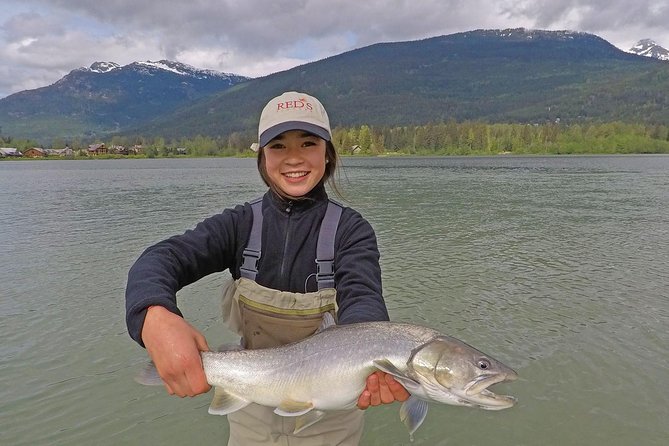
This trip is very clear about the main rule: it’s catch & release for ALL trips, with no keeping fish to eat. That affects the whole tone of the experience. You’re not thinking about packing coolers or planning a meal. Instead, you’re focused on learning technique, getting bites, and doing the release well.
You’re also guaranteed to be fishing for wild trout and salmon in Whistler-area waters. Depending on the season, the guide chooses the water body that gives the best shot at putting you on fish—lakes, creek mouths, and rivers are all part of the plan. A few reviews mention moments like early-May fishing in glacial-fed water, plus times where it’s near-freezing and still worth it because the guide keeps things moving.
One more rule that matters for planning: there’s a minimum age of 10. And there are limits based on equipment—everyone must weigh between 80–250 lbs (36–113 kgs) and be between 10–75 years. If that range doesn’t work for you, this specific operator can’t make the trip work due to limited gear sizes.
You can also read our reviews of more tours and experiences in Whistler.
Hotel pickup, provided waders, and fly-rod learning you don’t have to sweat
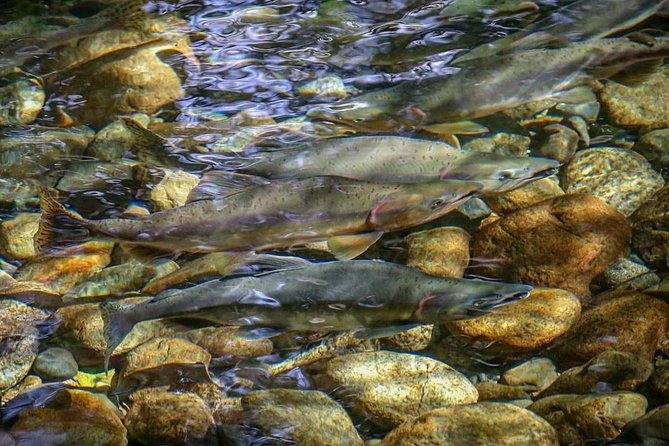
For most people, the best value here is how much the trip removes friction. You’re picked up from hotels and accommodations across Whistler, then returned to where you started. That means you’re not timing buses, fighting parking, or figuring out remote trailheads.
Then comes the practical win: the gear. You get waders and boots, plus a fishing rod and tackle. Reviews repeatedly point out that outfitting happens quickly and the guide helps you stay on pace. For first-timers, that’s huge—your attention stays on casting and on learning what to do when the line misbehaves.
Because the reviews mention fly fishing and fly rods specifically, you should expect a strong focus on casting and technique. Guides are described as patient about tangled lines and snag issues, and that matters more than people expect. Fly fishing is simple until it isn’t. Wind, tree branches, and line management can turn into frustration fast. The guides (Matt, Cole, and Dawson show up often) are praised for teaching clearly and sticking with you until you’re confident.
Quick heads-up on what’s not included: there’s no fishing licence, no bottled water, and no snacks. You’ll need to buy the licence yourself (and save it to your phone). If you tend to get hungry or thirsty easily, plan ahead so you’re not stuck making decisions on the fly after you’re already suited up.
The 3-hour rhythm: from pickup to wading and releasing fish
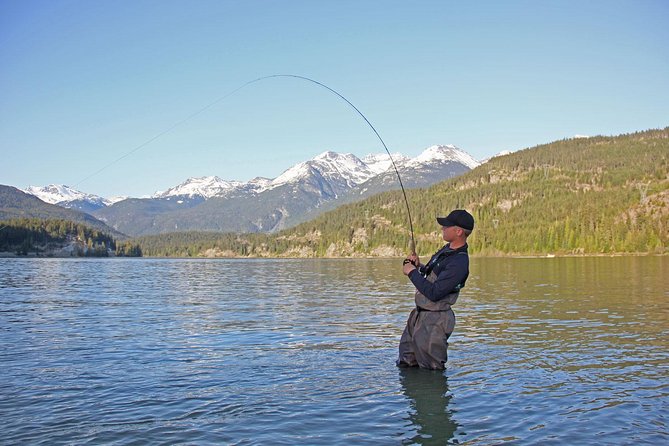
Even though this is only about 3 hours, it’s structured like a real guided outing. Here’s the general flow you can expect:
1) Hotel pickup and drive to the water
You’ll be collected from your hotel or accommodation in the Whistler area. Then you’ll ride to the fishing location chosen for that day. In reviews, pickup starts from well-known Whistler spots like the Hilton area, and rides can be short or longer depending on where the guide is setting you up.
2) Fast outfitting in waders and boots
Once you arrive, the guide gets you into the waders and boots, then hands you the rod and tackle setup. This is where you’ll get your basics on how to handle the gear for the day’s fishing style.
3) Walking and wading to fishing positions
Expect some trekking. One review flags it clearly: it’s not just showing up at a lake and standing still. You may walk through forest trails to a lake, or wade along rivers and creek mouths. That’s part of why the scenic experience is so strong—you’re fishing while seeing where the water actually lives in the region.
4) Casting, moving, and working spots
Once you’re at the water, the guide keeps the day flowing. Reviews emphasize that you’re not left waiting. If fish are active, you fish them. If they’re not, the guide changes the approach and—most importantly—keeps you in motion to find better odds.
5) Catch, then unhook and release
Because the operator is strict about catch-and-release, you’ll practice releasing fish properly. Several reviews mention the guide helping with unhooking and photos using your phone, which makes the release moment feel less awkward and more like part of the experience.
6) Return to Whistler and drop-off
At the end, you’re back with your group and transported back to your hotel area.
Group details matter too. This tour isn’t private. Your group may be combined with another group, and the overall maximum is 5 travelers. In practice, that usually keeps the experience intimate enough for coaching, while still matching the operator’s small-group format.
Morning, afternoon, or evening departures: timing changes the feel
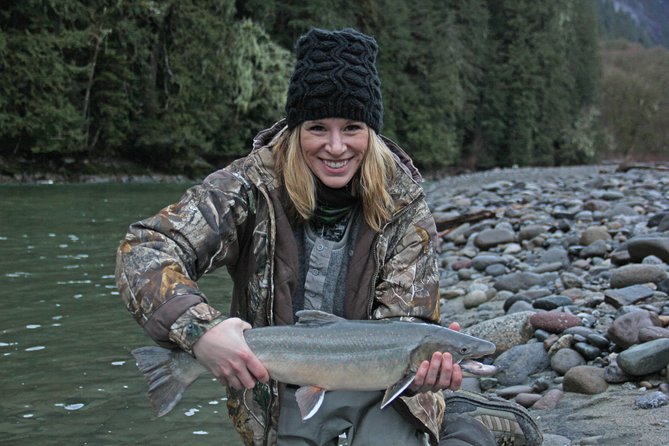
You get a choice of departure times: morning, afternoon, or evening. That matters because the lighting, temperatures, and fish activity can shift through the day.
Early sessions are often the calm ones. One review describes early morning peace and quiet, and that kind of stillness is exactly what makes Whistler’s water and forests feel special before the area wakes up. At the same time, the weather can turn fast. Rain is mentioned in reviews, including a rainy day where the guide kept pushing until fish showed up.
If you’re booking around a tight Whistler schedule, the time options also make planning easier. You can pick a slot that doesn’t steal your entire day from other activities like village strolls or glacier viewpoints.
Species and water types: trout, salmon, and where the guide puts you
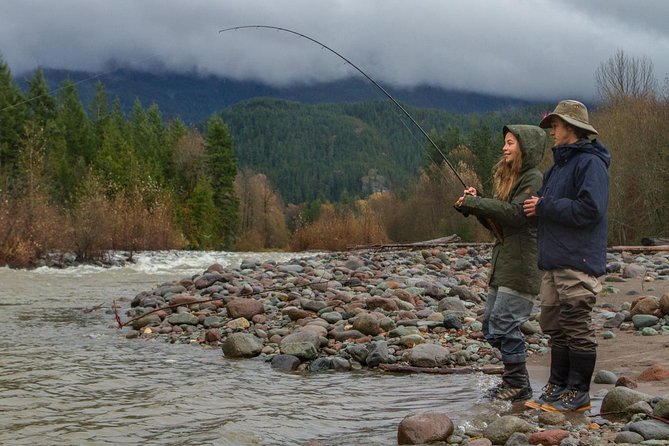
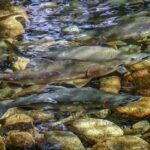
The trip focuses on wild trout and salmon, and what you catch depends on season and where the guide takes you. Reviews mention:
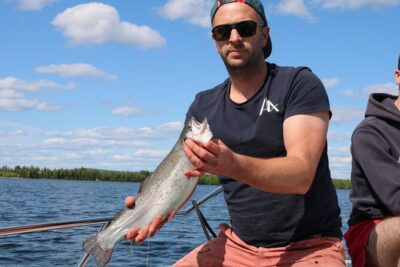
- Rainbow trout
- Bull trout
- Pink salmon
- And generally wild trout/salmon in different water types
You’re wading along lakes, creek mouths, and rivers, which matters because these spots behave differently. River edges can concentrate fish that feed on moving water. Creek mouths can shift conditions as water mixes. Lakes can offer their own feeding lanes, especially when the guide is reading the day correctly.
One detail I really like in the tour concept is that the guide doesn’t promise one magic lake. Instead, the guide chooses the water body for the highest probability of putting you on fish. That’s the practical way to think about fishing: you’re not only matching a skill set, you’re matching conditions.
And yes, you might still have a day where fish are slow. One review mentions a day with fewer fish but a strong experience anyway. That’s a sign the guide’s role isn’t just about luck—it’s also about keeping the outing fun and moving.
Guides who adjust to your level: what that looks like on the water
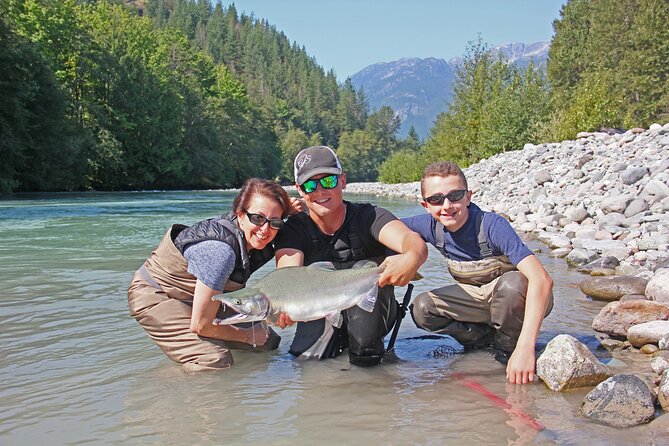
This is the biggest “why it’s worth it” factor in the reviews. You’ll likely be a beginner, at least with fly fishing. And the guides are repeatedly praised for doing the two things that make or break beginner lessons:
1) Patient coaching when things go wrong
Fly lines tangle. Hooks snag. You lose your rhythm. The guides are described as patient about this, detangling lines and resetting technique without making you feel rushed.
2) Adapting instruction to the person
One family review mentions the guide adapting for a guest with vision challenges, making the day work in a way that felt considerate and empowering. That isn’t something you can fake. It shows up in how the guide handles the group.
Guides named in reviews include Matt, Cole, and Dawson, plus a couple mentions of Matthew (likely the same person as Matt). Across those accounts, the pattern is consistent: the guide has a teaching rhythm, gets people into casting quickly, and keeps an eye on both safety and flow around the water.
Also, the guide stance is respectful about the environment. You’re dealing with wild fish and strict release rules. If a guide makes you feel like the fish are treated as a living part of the ecosystem, that’s a better day for everyone.
Trekking, cold water, and what to wear (without turning it into a gear hunt)
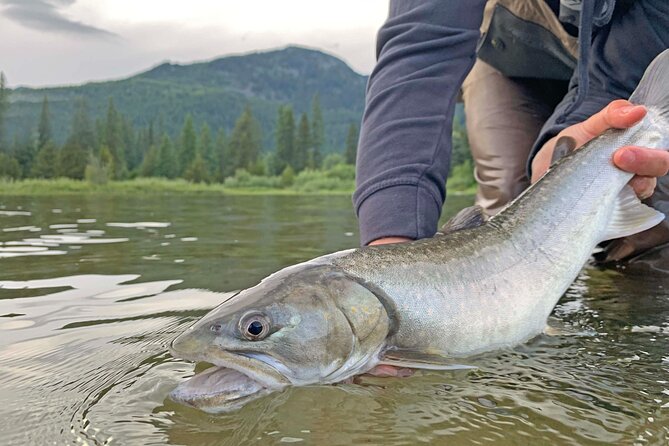
Because you’re in waders and boots, clothing planning is simpler than many outdoor tours. Still, you should be realistic about conditions. Reviews mention freezing weather near zero degrees, plus cold water in cooler months.
So, I’d plan for:
- Warm layers you can wear under waders
- Weather-appropriate outerwear for the walk to the fishing spot
- A comfort-first mindset, because wading and walking are part of the package
Moderate physical fitness is requested. One review notes a “short hike through the forest” to the lake. Another points out trekking isn’t extreme, but it’s not zero either. If you have mobility issues, tell yourself up front that you may be moving through uneven ground and getting into and out of the water more than you’d expect from a “sit by the dock” fishing trip.
Also remember the weight limit (80–250 lbs). If you’re outside that range, it’s not a fit for their current equipment.
Price and value check: why $165.22 can make sense in Whistler
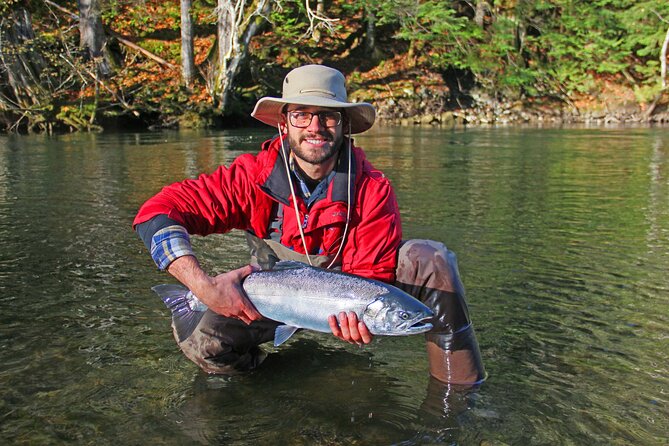
At $165.22 per person for about 3 hours, this isn’t a budget activity. But it can still feel like good value because several key costs and hassles are handled for you:
- Guiding and instruction from someone who can put you on fish
- Gear provided (waders, boots, rod, tackle)
- Transportation via hotel pickup and drop-off
- A small group size (max 5) that supports actual coaching
If you tried to do this on your own, you’d still need to arrange access to appropriate fishing spots, figure out local licence rules, and bring or rent the full wader-and-tackle setup. That’s where value tends to show up. Here, you pay for someone to manage those moving parts so you can focus on the experience.
The only “hidden” cost in your budget is the fishing licence, plus personal choices like snacks and bottled water. Since those aren’t included, I’d treat your total trip cost as: tour price plus licence plus a little fuel for energy.
Bottom line: if you want a low-stress way to fish with instruction in Whistler and you’re okay with wading and walking, this price is easier to justify.
Who should book this guided fishing adventure
This trip is a great match if:
- You want guided catch-and-release fishing near Whistler Village
- You’re a beginner or intermediate who wants structured coaching
- You like outdoor scenery and don’t mind trekking/wading a bit
- You want gear handled for you (especially waders, boots, rod, tackle)
- You’re traveling in a small group and don’t need it to be private
It might not be for you if:
- You need to keep fish to take home (it’s release-only)
- You can’t meet the 80–250 lbs weight limit or the 10–75 age range
- You don’t have moderate fitness for short walks and wading
- You want a trip with snacks, bottled water, or licence handled for you
One more practical note: only paying guests can join, and the tour isn’t private. If you’re thinking of bringing extra family members who don’t fish, you should plan around the operator’s rule that non-paying people can’t tag along to watch.
Quick decision help: should you book?
If your goal is a guided, gear-included fishing day in Whistler with hotel pickup, catch-and-release rules you can feel good about, and a strong beginner teaching vibe, I think you’ll likely be happy with this. The reviews back up the big themes: guides like Matt, Cole, and Dawson do well with patience, line-tangle reality, and finding fish or at least keeping the day productive.
I’d hold back only if you’re counting on fish to take home, you can’t handle some trekking/wading, or you’re outside the age/weight limits. Otherwise, book a morning, afternoon, or evening slot that matches your schedule and show up ready to fish, not to manage logistics.
FAQ
Do they keep the fish, or is it catch-and-release only?
It’s catch-and-release only, with no exceptions. You won’t keep fish to bring home to eat, and the focus is on catching and releasing wild trout and salmon.
Is a fishing licence included?
No. Each person is responsible for purchasing the fishing licence and saving it to their phone.
What gear is provided for the fishing?
You get waders and boots, plus a fishing rod and all tackle. That means you can travel with less equipment than you would for a DIY day.
Do I get pickup and drop-off in Whistler?
Yes. Pickup and drop-off are offered from all hotels and accommodations in the Whistler area.
How physically demanding is this trip?
It requires a moderate physical fitness level. You should expect trekking and wading as the guide walks to fishing spots like lakes, creek mouths, and rivers.
What are the age and weight limits?
The minimum age is 10, and the maximum age is 75. Everyone must weigh between 80–250 lbs (36–113 kg) due to limited equipment.
What happens if the trip is canceled due to weather?
The cancellation policy says the experience requires good weather. If it’s canceled due to poor weather, you’ll be offered a different date or a full refund.