REVIEW · ANCHORAGE
Anchorage Ice Fishing Adventure with transportation
Book on Viator →Operated by Alaska Adventure Guides · Bookable on Viator
Ice fishing feels like a winter science fair. This half-day Anchorage adventure takes you from your hotel to nearby ice spots, sets you up in an insulated heated tent, and keeps the focus on actually catching fish, not just standing around.
I like that you’re covered for the hard stuff: all fishing rods, reels, tackle, and bait are provided, and the guide gives hands-on instruction so you know what to do on the ice. I also like the small-group feel, with a maximum of 5 travelers, plus the guide’s steady attention—things move fast, and you’re not waiting in line.
One thing to plan for: warm clothing and waterproof footwear aren’t included, and you’ll need to walk over uneven, snowy, or icy surfaces. Ice cleats are provided when needed, and assistance is possible, but you’ll still want to come ready for winter.
In This Review
- Key highlights to notice before you go
- From hotel pickup to the fishing spot: how the trip really flows
- The heated ice fishing tent: warmth, light, and comfort where it counts
- Gear, bait, and the fish you’re aiming for
- Learning ice fishing step by step (and keeping your hands busy)
- What to wear: the one packing mistake that ruins winter trips
- Safety and accessibility: walking on uneven ice is the real test
- Price and value: does $199 make sense for a half-day?
- Wildlife moments and the Alaska factor
- Weather reality: what happens if conditions turn
- Who should book this Anchorage ice fishing trip
- Should you book this tour?
- FAQ
- How long is the ice fishing trip in Anchorage?
- Is hotel pickup included?
- Do I need to bring ice fishing gear?
- What fish can you expect to catch?
- Is the trip beginner-friendly?
- What happens if the weather is poor?
Key highlights to notice before you go
- Heated, lighted ice fishing tent so you can fish without freezing through the session
- Hotel pickup and drop-off in downtown and midtown Anchorage, with the exact time confirmed the day before
- All gear and bait included, including rods, reels, tackle, and bait (you just bring yourself)
- Hands-on coaching from drilling holes to handling the rod and reading what’s happening below the ice
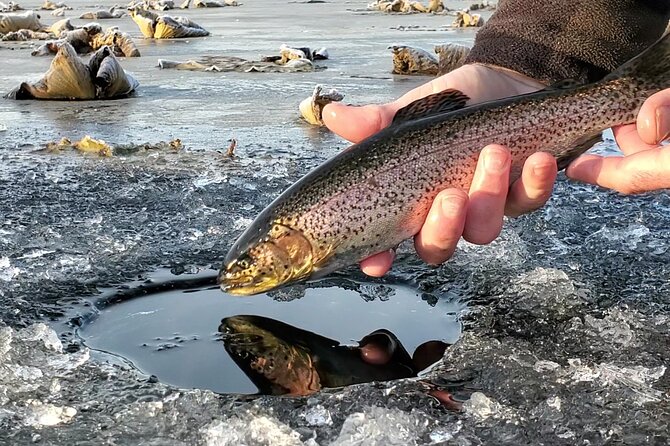
- Good variety of freshwater fish such as rainbow trout, landlocked salmon, arctic char, and dolly varden
- Small group size (max 5) for more time with the guide and less downtime
From hotel pickup to the fishing spot: how the trip really flows
This is a true half-day setup. You start at the Anchorage meeting point (1000 E Northern Lights Blvd), but in practice you’ll most likely get picked up at your lodging in downtown or midtown Anchorage. If you’re staying at a nearby B&B in that same area, pickup is usually possible too, but you should confirm if your exact address is in the pickup zone.
What I like about this layout is the low friction. You’re not trying to figure out cold-weather transport, gear runs, or the timing of where you need to be on the ice. Instead, the team handles the private transportation from your pickup location to the ice fishing area, then brings you back when the session ends at the pickup point.
The whole experience runs about 4 hours. You’ll be out on the ice for roughly 3.5 to 4 hours, which is long enough to learn the basics, drill a few holes, and settle into a rhythm. If you’re traveling on a tight schedule, this makes it easier to fit an Anchorage winter activity without eating an entire day.
One timing detail that matters: they’ll contact you the day prior to your trip to confirm your exact pickup time. So keep an eye on your phone and email the night before, especially if you’re juggling other excursions.
You can also read our reviews of more tours and experiences in Anchorage.
The heated ice fishing tent: warmth, light, and comfort where it counts
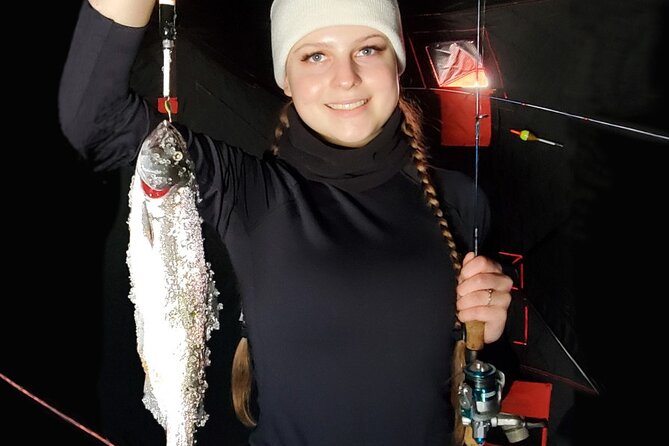
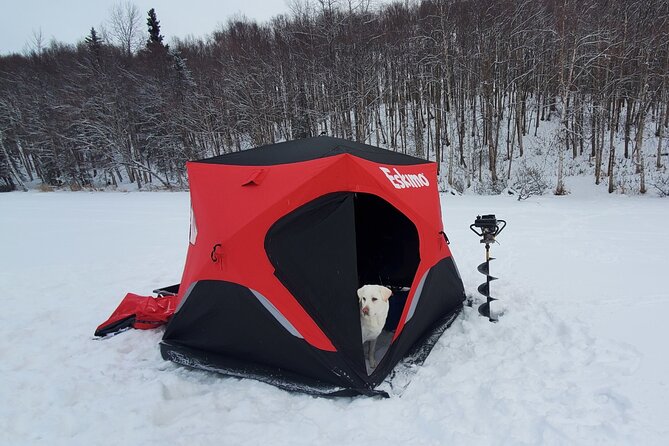
The biggest comfort advantage here is the ice fishing tent. It’s insulated, heated, and lighted—so instead of standing outside in biting wind while you fish, you’re protected while you learn and fish.
In plain terms: this is the difference between an experience that feels doable and one that feels like survival. With a working heater inside, you can focus on the steps—hole placement, baiting, and keeping line tension steady—rather than constantly fighting cold.
The tent setup is also quick. You’ll likely spend only about 15 minutes getting the tent ready before you move into drilling and fishing steps. Once the tent is up and running, you stay in that controlled space for the bulk of the 3.5-4 hour ice window.
There’s also a practical upside: the tent helps keep you dry. Even if you’re wearing warm layers, being exposed to melting snow and wind can drain energy fast. This layout helps you keep your hands functioning and your concentration intact.
Gear, bait, and the fish you’re aiming for
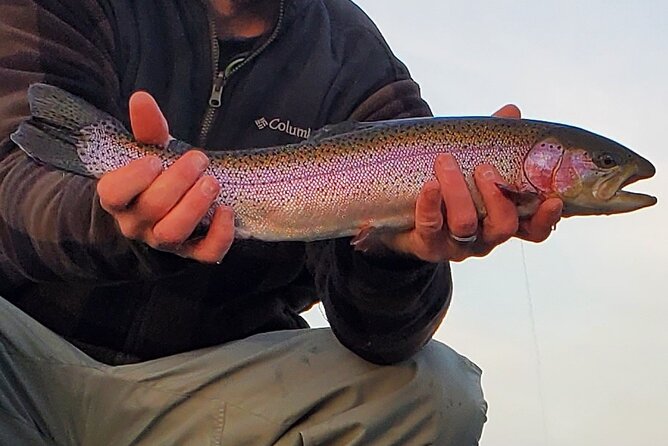
This trip is built around the idea that you should be fishing from the start. You don’t have to bring equipment or buy tackle ahead of time. All ice fishing rods, reels, tackle, and bait are provided, and the guide will show you how to use what you’ve got.
That matters because ice fishing has a few specific tools and habits. For example, you drill through ice to create fishing holes, then you fish from beneath that ice using the right setup and bait. If you’re new, having gear ready and explained beats guessing in freezing conditions.
As for what you can catch, expect a mix of freshwater fish. The trip lists these targets:
- Rainbow trout
- Landlocked salmon
- Arctic char
- Dolly varden
Typical sizes run from 12 inches to 26 inches. That’s a wide range, and it’s one reason I like this kind of guided outing. You’re fishing for variety, so even if one species is slow that day, you still have a good chance of catching something.
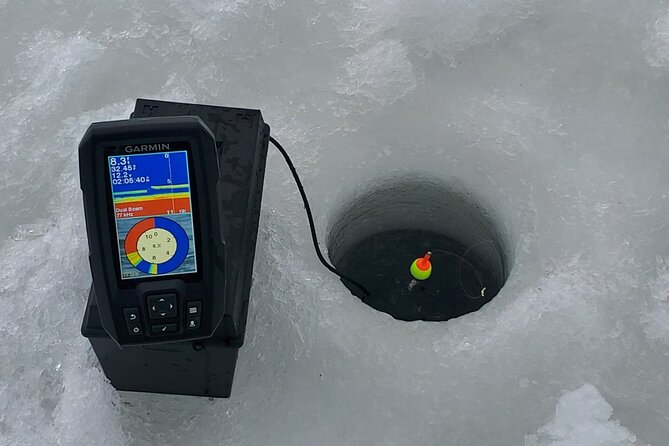
One more thing that’s worth knowing: you’ll likely use an ice-monitor type tool to help estimate what’s down under the ice. That’s part of the lesson, so you’re not just throwing bait and hoping.
Learning ice fishing step by step (and keeping your hands busy)
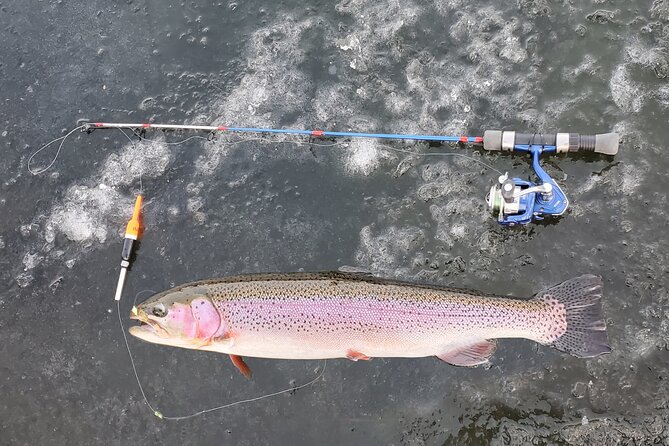
If you’re worried about being “too new,” you should feel better here. The guide provides hands-on instruction and works with you from the first drill hole to the moment you manage the rod and reel.
What you’ll actually learn tends to follow a simple flow:
- How to get organized once you’re on site
- How to dig and drill a hole
- How to use a monitor to understand what’s happening below
- How to rig your line and bait properly
- How to handle the rod and know when to lift and reel
The coaching style is practical and patient. You’re not stuck reading a pamphlet. The guide stays on their feet, baiting hooks, adjusting setups, and helping you test what works so you’re not waiting around.
This is also where the small group matters. With a maximum of 5 travelers, you get more direct attention when a question comes up—especially if you’re figuring out how to lift and reel without yanking the line at the wrong time.
And yes, ice fishing can be funny in a good way. Part of the experience is learning a new rhythm—sit in a warm tent, drill through a layer of ice, then use quiet observation to time your moves. If you enjoy hands-on tasks, you’ll likely have a blast.
What to wear: the one packing mistake that ruins winter trips
You don’t need to guess about clothing details here: warm clothing and footwear are not provided. If you want the day to feel fun instead of miserable, pack for wet cold and slippery ice.
Here’s what to prioritize:
- Waterproof, insulated footwear (boots or winter shoes)
- Warm layers you can move in
- A waterproof outer layer if you have one
- Warm gloves or mittens you’re comfortable fishing with
The trip is designed to keep you warm once you’re inside the heated tent, but you still have to move around on uneven snowy or icy surfaces to reach the ice spots and set up. That’s why footwear matters so much.
Good news: ice cleats are provided when necessary to keep you safe if the ice is slick. The team also aims to provide assistance to make the trip accessible to everyone to the extent possible. Still, come prepared. If you’re unsteady on your feet, this is the part you’ll want to think through before booking.
Safety and accessibility: walking on uneven ice is the real test
This isn’t a leisurely stroll. You’ll need to be able to walk across uneven, snowy, or icy surfaces. That’s a key requirement, even though you’re in a heated tent for most of the session.
If the ice is slick, ice cleats are available. The guide also has a mindset of helping you manage the steps safely where needed. But the responsibility is still on you to handle winter footing, in the same way you’d think about any snow-based activity.
One practical tip: give yourself extra margin in your schedule on the day of the trip. Winter gear, slippery sidewalks, and quick transitions can take longer than you expect.
Also note: service animals are allowed. If that applies to you, it’s a reassuring detail before you commit.
Price and value: does $199 make sense for a half-day?
At $199 per person, this is not a bargain-basement activity. But it also isn’t just a guided walk with a promise. You’re paying for several things that would cost you time and money on your own:
- Private transportation from hotel pickup to the ice area
- Hotel pickup and drop-off included
- All fishing rods, reels, tackle, and bait provided
- A heated, insulated, lighted ice fishing tent
- Hands-on instruction so you’re not guessing
For ice fishing, those items add up quickly if you try to DIY. The tent and gear are especially significant because they’re what let you fish comfortably rather than rushing between cold gear rentals and long setup times.
The small group size (up to 5 travelers) also helps justify the fee. You get more personal guidance, and the guide can keep an eye on everyone’s setup so more people end up catching fish.
Finally, this trip is popular enough that it’s often booked about 35 days in advance on average. If you’re planning your Anchorage schedule around specific dates, I’d treat it like a key winter activity and lock it in early.
Wildlife moments and the Alaska factor
Ice fishing here isn’t only about fish. You’re outdoors on the ice with trees around, and wildlife can show up during the session.
One standout detail from the experience is the chance to see eagles watching from the trees. It doesn’t change the fishing plan, but it adds that extra layer that makes an Alaskan winter day feel special.
Even if wildlife is quiet that day, the overall setting still has that strong sense of place: cold air, still water, and the glow of the tent heater while you work your line.
Weather reality: what happens if conditions turn
This activity depends on good weather. If it’s canceled because of poor weather, you’ll be offered another date or a full refund.
That’s what you want to hear for an ice activity. Ice conditions and safety are weather-driven, and winter conditions can shift fast. If your trip dates are flexible, you can roll with it. If your schedule is tight, book early and plan for possible rescheduling.
Who should book this Anchorage ice fishing trip
This is a strong match if:
- You want a guided first ice fishing experience without learning everything from scratch
- You care about staying warm, dry, and comfortable with a heated tent
- You want a short, focused half-day instead of a full-day excursion
- You prefer a small group where the guide can give more hands-on help
It’s also a solid choice if you’ve fished before but want a structured lesson in ice-fishing basics like drilling, monitoring, and timing the lift-and-reel.
You might think twice if:
- You don’t have waterproof boots or you hate the idea of walking on slick, uneven ice
- Your winter packing is minimal and you don’t want to buy or borrow proper cold-weather gear
- You’re expecting a long lunch-style meal break (lunch and snacks aren’t provided, and you can bring your own)
Should you book this tour?
Yes—if you want real instruction plus real comfort. The heated tent, the included gear and bait, and the hotel pickup/drop-off make it an efficient way to experience Anchorage winter without turning the trip into a logistics puzzle.
Book it especially if you’re new to ice fishing. The whole experience is designed around getting you on fish through hands-on coaching, not just watching someone else do the work.
Skip it or plan carefully if you’re not ready for the clothing and footing requirements. Bring warm, waterproof gear and wear footwear that can handle snow and ice. If you do that, you’ll get the best version of this outing: warm tent, active fishing time, and a guide who stays engaged until you’re comfortable.
FAQ
How long is the ice fishing trip in Anchorage?
The experience runs about 4 hours total. You’ll spend around 3.5 to 4 hours out on the ice, then you return to your pickup location.
Is hotel pickup included?
Yes. Pickup is included for hotels in downtown and midtown Anchorage, and many nearby B&Bs in that area can also be accommodated. The exact pickup time is confirmed the day before your trip.
Do I need to bring ice fishing gear?
No. The tour provides all fishing rods, reels, tackle, and bait you need. You should bring your own warm clothing and waterproof footwear.
What fish can you expect to catch?
The trip is set up for freshwater fish such as rainbow trout, landlocked salmon, arctic char, and dolly varden. Sizes listed are about 12 inches to 26 inches.
Is the trip beginner-friendly?
Most travelers can participate. The guide provides hands-on instruction on how to ice fish, from drilling holes to handling your rod and knowing when to reel in.
What happens if the weather is poor?
The activity requires good weather. If it’s canceled due to poor weather, you’ll be offered a different date or a full refund.