REVIEW · YELLOWKNIFE
Ultimate Ice Fishing with Lunch
Book on Viator →Operated by Destination NWT Ltd. · Bookable on Viator
One hole, warm air, and a real chance at fish. This ice fishing outing on Great Slave Lake mixes hands-on angling with time in a heated tent, plus lunch cooked right on the ice.
I really like two things here: you don’t have to source gear or bait, and you’ll get plenty of chances to ask questions to the guide. The experience is also small-group sized (up to 16), which matters when you’re learning something cold and new.
One consideration: the day runs only with good weather, and the on-site washroom is limited—so you’ll want to plan ahead.
In This Review
- Quick hits before you go
- Ice fishing on Great Slave Lake: why it feels real
- The day’s flow: warm tent fishing, fish fry lunch, then winter fun
- 1) Fishing time inside a warm shelter (about 2.5–3 hours)
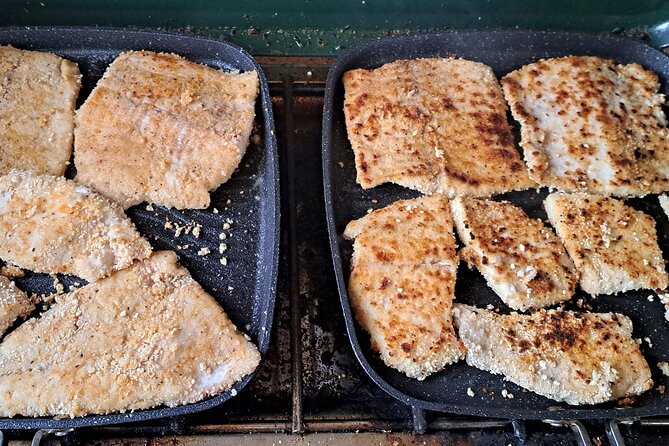
- 2) A fresh fish fry lunch on the ice
- 3) Snowshoeing or a playful hot-water mist moment
- Pickup and timing in Yellowknife: how to plan for cold-weather logistics
- What’s included: gear, bait, and the little things that remove stress
- Traditional net pull fishing: when learning becomes more than technique
- The guide experience: small group, lots of hands-on help
- Lunch on the ice: value, timing, and what to expect
- Comfort notes: washroom limits, getting dressed right, and weather reality
- Limited washroom on site
- Weather is a real factor
- The ice-day rhythm
- Price and value: what you pay for at $112.59
- Who should book this ice fishing tour (and who might skip it)
- Should you book Ultimate Ice Fishing with Lunch?
- FAQ
- How long is the ice fishing tour?
- How much does the tour cost?
- Is pickup offered in Yellowknife?
- What’s included in the tour price?
- Do I need a fishing license?
- Where is the tour meeting point?
- Is there a washroom available during the tour?
- What happens if the weather is bad?
Quick hits before you go
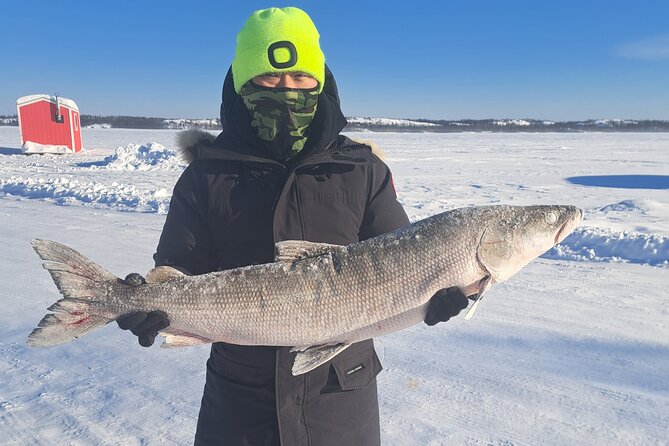
- Warm tent/cabin fishing for 2.5–3 hours with supervision, so this works even if it’s your first time.
- Lunch is included and made from wild Great Slave Lake fish, plus potato salad and a dinner roll.
- Gear and bait are provided, and winter boots are available to hire if you’re worried about traction.
- You might join traditional net-pull fishing, a nice cultural add-on beyond just dropping a line.
- Small group (max 16) means you’re not stuck far from the action or the person who can help you.
Ice fishing on Great Slave Lake: why it feels real
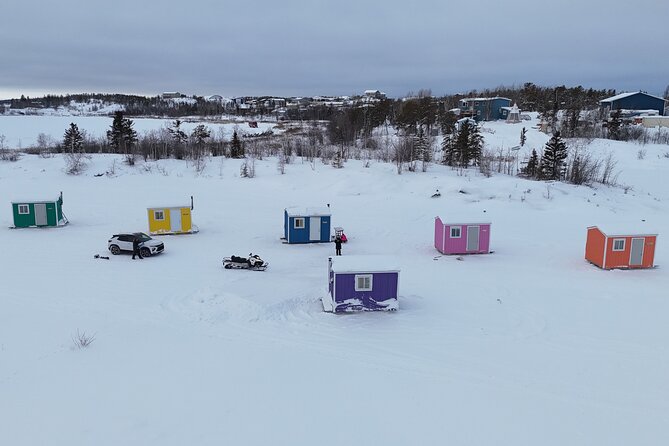
Yellowknife is surrounded by lakes that go solid in winter, and this tour leans into that fact. Instead of a quick demo, you spend a long stretch fishing from the ice while you’re protected from the wind in a warm tent or cabin. That alone changes the vibe. You’re not hustling between photo stops. You’re there to fish, learn, and settle in.
The other reason this works well is the setting. The Great Slave Lake fish fry lunch isn’t a generic box meal. It’s cooked from wild fish caught locally, and it’s served as part of your session on the ice. That makes the day feel connected—like you actually participated, not just watched.
You can also read our reviews of more tours and experiences in Yellowknife.
The day’s flow: warm tent fishing, fish fry lunch, then winter fun
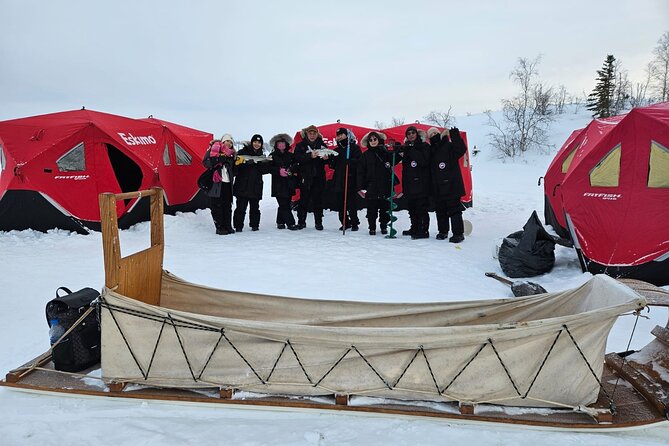
This trip runs about 3 hours 30 minutes from pickup to returning back where you started. The schedule is simple and easy to follow, which is exactly what you want when temperatures drop.
1) Fishing time inside a warm shelter (about 2.5–3 hours)
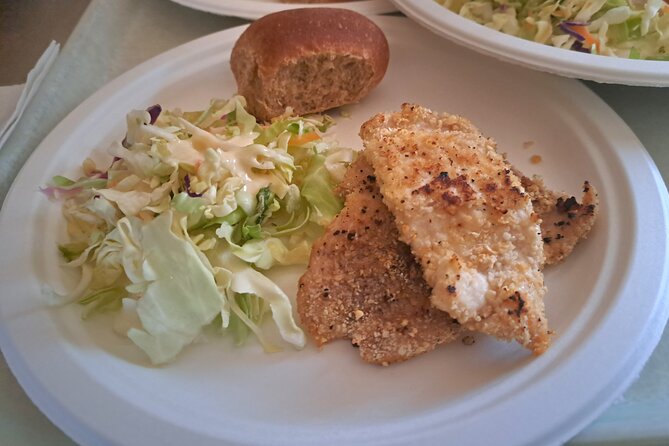
You’ll start with fishing on the ice, but you won’t be out there freezing in a flimsy setup. You’ll fish inside a warm tent or cabin while being supervised. The goal is to help you get a handle on how ice fishing actually works: what to do, how to jig, how to watch for bites, and how to react without panic.
If you’re lucky, you’ll land something. One of the most positive themes is that people enjoy the day even when the bite doesn’t happen immediately, because the guide is actively helping.
This is also the best time to ask questions. In a small group, you can actually get your answers. You’re not waiting in a long line for the guide to notice you.
2) A fresh fish fry lunch on the ice
Right after fishing, you get a wild fish lunch cooked on top of the ice. The included sides are potato salad and a dinner roll, and it’s meant to be a real meal, not just a snack.
In practice, the lunch style is classic and hearty: fried fish, plus warm carbs and creamy potato salad. Some people describe it as delicious; others call it OK. My take from what’s described: it’s simple, filling, and very appropriate for a winter outing where you’ve been working hard with your hands and staying warm by staying moving.
3) Snowshoeing or a playful hot-water mist moment
After lunch, you get a chance to try something extra. You can snowshoe on your own (so this isn’t a long guided hike) or try making a mist effect using hot water.
This part is fun because it’s low-pressure. You’re already dressed for cold weather. Now you can just enjoy the winter setting and break up the day before heading back.
Pickup and timing in Yellowknife: how to plan for cold-weather logistics
You’ll be picked up from hotels in Yellowknife. The driver uses a sign with the company logo, and they’ll wait at your selected pickup spot. If you’re staying at a B&B, you’re asked to select the closest hotel.
Pickup timing is fairly tight—depending on where you stay, it’s roughly 15 to 30 minutes before the tour start time. For example: some locations (like Super-8) get picked up about 30 minutes before, while Chateau Nova and other nearby hotels can be closer to 15–20 minutes.
From a traveler standpoint, here’s the simple advice: bundle up, be ready when the driver arrives, and don’t count on a late start. In winter, everyone is moving on a schedule so you can get out to the ice when conditions are right.
What’s included: gear, bait, and the little things that remove stress
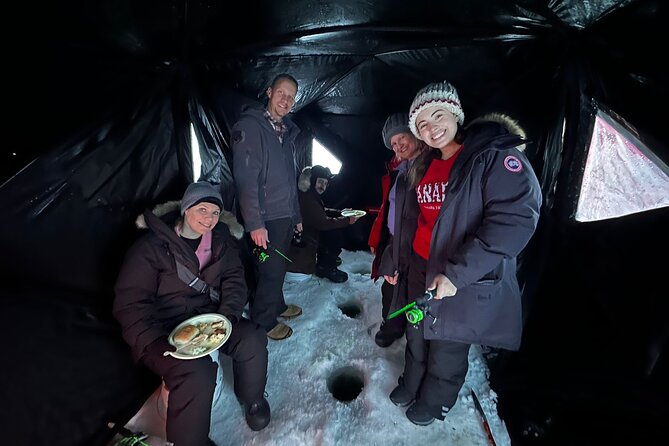
The tour includes fishing rods and bait, plus your fishing gear for the day. That’s a big value point. Ice fishing gear can get pricey fast if you have to rent or buy everything, and this package removes that headache.
If you’re nervous about slipping, you can hire winter boots. This is worth considering if you’re traveling with regular winter shoes that feel slick on hard ice. Even if you’re confident on your feet, traction makes a big difference when you’re moving around holes and shelter entrances.
Here’s what you should think about bringing on your own (based on what’s not included): you’ll want warm winter layers, gloves you can fish in, and clothing that handles wind. The tour covers equipment, but you still control your comfort.
Traditional net pull fishing: when learning becomes more than technique
One of the highlights is a chance to take part in traditional net pull fishing. Even if you’ve ice fished before, this kind of activity adds context. It’s not only about modern rod-and-reel habits. It’s about understanding a different method and the work that comes with winter fishing.
The guides also add a story layer. One host named Willie shared Inuit fishing life stories and used photos to explain how predecessors fished. In one account, he referenced the hamlet of Ulukhaktok and showed visuals of fishermen and his community. That kind of storytelling helps you connect the activity to real people and real winter skills.
The practical takeaway: treat the day as a learning session. Ask how net pull differs from line fishing, and ask what your guide watches for while you’re fishing.
The guide experience: small group, lots of hands-on help
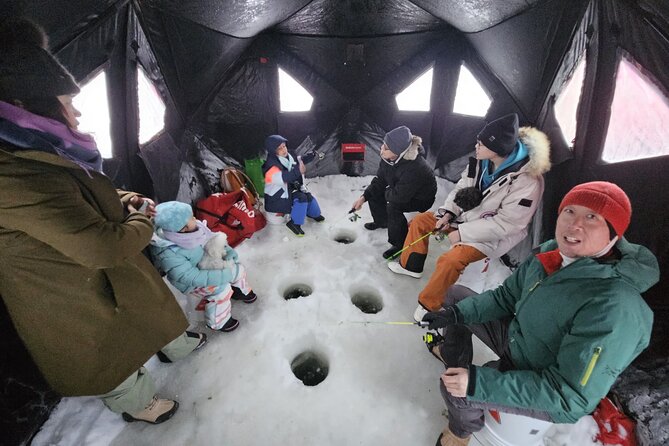
A big reason this trip earns high marks is that you get real interaction, not just a “here’s your rod” lecture. The group size tops out at 16, and that keeps things personal.
In the better sessions, the guide explains fishing tips during the shelter time and supports you while you fish. That support matters because ice fishing is half technique and half confidence. If you’re unsure what you’re doing, you’ll feel it fast. When someone helps you adjust, you feel better fast too.
Also, the staff presence is mentioned often, including people named Leon and an assistant named Moo in one particularly warm review. Even without knowing who you’ll get, the pattern is clear: people here work hard to keep the experience comfortable and understandable.
Lunch on the ice: value, timing, and what to expect
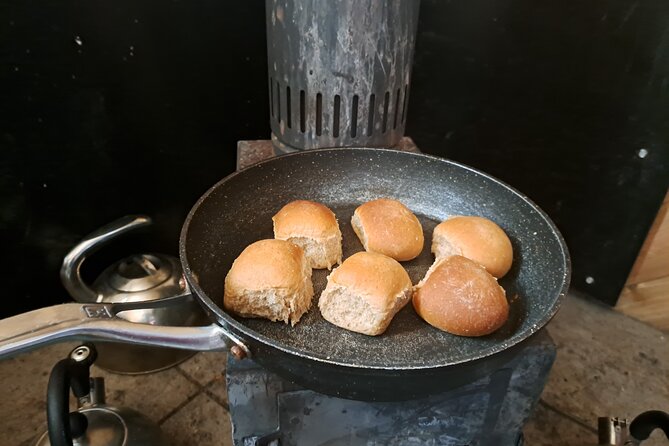
You’re eating after 2.5–3 hours of fishing, which is a smart timing choice. You’ll likely be hungry. The meal is included and made from fresh wild Great Slave Lake fish cooked right on the ice.
The included items are:
- potato salad
- dinner roll
- your fish fry lunch
A few details are worth noting. The tour information says they do not consume fish in Kam Lake, which suggests they keep the meal tied to the Great Slave Lake fish they catch for the activity. Either way, the core promise you can rely on is: the fish is cooked fresh for your group as part of the outing.
How much you’ll enjoy it will depend on your tastes and how hungry you are after time outside (and sheltered). But even when lunch is described as only OK, it still gets credit for being warm, filling, and part of the whole experience on the ice—not an afterthought.
Comfort notes: washroom limits, getting dressed right, and weather reality
This isn’t a “wander around freely all day” experience. It’s structured, and the winter conditions matter.
Limited washroom on site
The tour notes there’s a limited washroom on site, and you’re advised to use the toilet before joining. That’s practical advice you should follow. Plan breaks around the schedule instead of expecting lots of bathroom time.
Weather is a real factor
The activity requires good weather. If it’s canceled due to poor conditions, you’ll be offered a different date or a full refund. In other words: it’s not guaranteed on paper in the way a museum ticket is, because safety and ice conditions come first.
The ice-day rhythm
You’ll be moving in and out of the shelter area and around holes. Your best comfort upgrades are: traction (hence the optional boots), warm gloves, and clothing you can manage without sweating.
Price and value: what you pay for at $112.59
At $112.59 per person, you’re paying for a guided ice-fishing session, provided rods and bait, a warm shelter, and a lunch made from wild Great Slave Lake fish. You’re also covered for the “how does this work” part through supervision and instruction during the fishing time.
What’s not included is important: a fishing license costs CA$13.00 per person and can be bought online or onsite. Also, you’ll want to budget your own clothing and, if needed, winter boots hire.
So is it good value? For most people, yes—because the biggest friction points (gear, bait, warm shelter, and an actual meal) are handled. If you were hoping to bring your own gear and skip lunch, this likely won’t feel like the best deal. If you want the full winter experience with minimal planning, it’s priced like a packaged adventure and delivers on that concept.
Who should book this ice fishing tour (and who might skip it)
Book it if:
- It’s your first ice fishing trip and you want guidance during the fishing time.
- You like hands-on winter experiences and don’t want to spend extra money on gear rentals.
- You want a small-group day with time to ask questions.
- You’re happy being outside for hours as long as there’s a warm shelter setup.
Consider skipping (or choosing a different style) if:
- You hate waiting on the schedule of an ice-based activity that depends on weather.
- You need frequent bathroom access or a high level of free-roaming time.
Should you book Ultimate Ice Fishing with Lunch?
I’d book this if you’re looking for a real, winter-in-Canada experience that’s built for learning and comfort. The combination of warm shelter fishing, provided gear and bait, and a wild fish fry lunch cooked on the ice makes it feel complete for the money.
The only real caution is weather dependency and the limited washroom—nothing dramatic, just enough to plan your day smarter. If you’re ready to dress for the cold and enjoy the rhythm of an ice-fishing morning/afternoon, this is a solid choice.
FAQ
How long is the ice fishing tour?
The experience runs for about 3 hours 30 minutes.
How much does the tour cost?
The price is $112.59 per person.
Is pickup offered in Yellowknife?
Yes. Pickup is offered from hotels in Yellowknife, with the driver holding a sign with the company logo.
What’s included in the tour price?
You’ll get fishing rods and bait, fishing gear, and an included lunch made from wild fish caught on Great Slave Lake.
Do I need a fishing license?
Yes. A fishing license is not included. You can buy one online or onsite for CA$13.00 per person.
Where is the tour meeting point?
The start and end are at Chateau Nova Yellowknife, 4571 48 St, Yellowknife, NT X1A 0E2, Canada.
Is there a washroom available during the tour?
There is a limited washroom on site, and you’re advised to use the toilet before joining the tour.
What happens if the weather is bad?
The experience requires good weather. If it’s canceled due to poor weather, you’ll be offered a different date or a full refund.