REVIEW · GALLE
Stilt-Fishing Experience in Ahangama
Book on Viator →Operated by Ceylon Food Trails · Bookable on Viator
Stilt fishing feels almost unreal. This 3-hour Ahangama experience mixes hands-on fishing with a real village cultural visit and a lunch built around what you catch, guided in English the whole way. I like that you’re not stuck watching from shore, and I also like how the day connects fishing, food, and everyday village skills like finger weaving. The main thing to think about is that the timing is tight and the stilt-fishing part is active, so go in ready for some standing and hands-on learning.
You start in Ahangama around 10:30am and return to the same meeting point when it’s done. It’s priced at $140 per person for a private group experience (your group only), and there are mentions of group discounts. If you’re sensitive to sun and water conditions, plan your day around that reality and bring what you need so the experience stays fun instead of tiring.
In This Review
- Key things I’d pencil in first
- Why Ahangama stilt fishing still feels like magic
- Getting there from Hopper Street Food and the 10:30am rhythm
- Meet the stilt fishermen and learn the basics on the beach
- A practical drawback to plan for
- Your chance to try stilt fishing (and catch fish for the meal)
- The cultural village stop: finger weaving and everyday artisan making
- What to pay attention to at the village
- Lunch from the catch: live cooking, tea, and snacks
- Price and value: what $140 per person buys you
- Logistics that matter: private group, mobile ticket, and transport notes
- Who this stilt-fishing tour fits best (and who should rethink)
- Should you book this Ahangama stilt-fishing experience?
- FAQ
- FAQ
- What is the stilt-fishing experience in Ahangama?
- Where does the tour start?
- What time does it start?
- How long is the experience?
- How much does it cost?
- Is it a private tour?
- Does the tour include an English guide?
- Can I try stilt fishing myself?
- Is there free cancellation?
- Can service animals go on the tour?
Key things I’d pencil in first
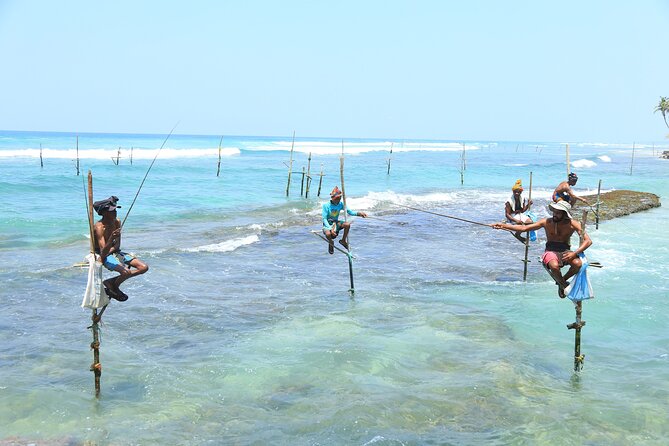
- A hands-on stilt-fishing lesson led by 4 stilt fishermen, with you getting the chance to try after the basics
- Village craft time with a Sri Lankan host and around 10 villagers, including finger weaving and making household items
- Lunch tied to your fishing catch, with live cooking and tea plus snacks
- English guide throughout, so you can actually follow the why behind each step
- Private group format for a more personal pace and less waiting around
- A local tradition with deep community roots, practiced by families around Ahangama and Kathaluwa
Why Ahangama stilt fishing still feels like magic
Ahangama’s stilt fishing looks like something from a myth until you stand near it and realize it’s practical engineering made by local people. Fishermen use long stilts in shallow water to reach fish that would be harder to catch from shore. It’s an old tradition practiced by hundreds of families around the area, especially around Ahangama and Kathaluwa, so you’re seeing something that still has a living purpose.
What I really like is the structure of the experience. You get guided instruction from experienced stilt fishermen, then you have an option to try yourself. That turns it from a photo moment into a skill lesson where you can understand how the movement and timing actually matter.
Getting there from Hopper Street Food and the 10:30am rhythm
Your tour starts at Hopper street food (X9C8+G74), Ahangama, at 10:30am, and it ends back at the same meeting point. The schedule is built for a 3-hour window, so the day moves efficiently: beach work first, then the village, then food.
Because the experience begins in the morning, you’ll likely get more comfortable beach temperatures than later in the day. Still, it’s Sri Lanka, so sun and humidity can sneak up. If you tend to get heat-stressed, treat this start time as a plus and pack accordingly.
Meet the stilt fishermen and learn the basics on the beach
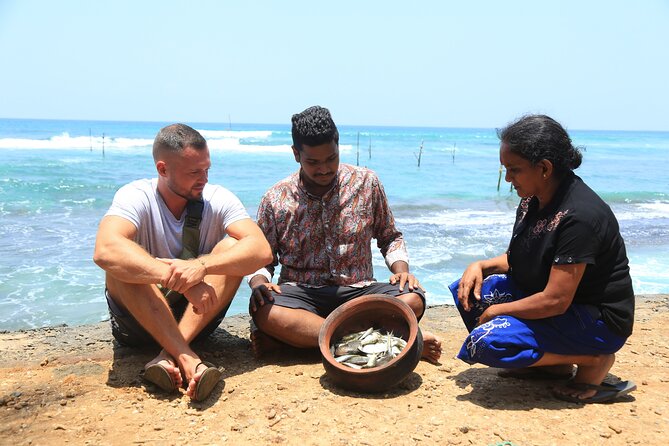
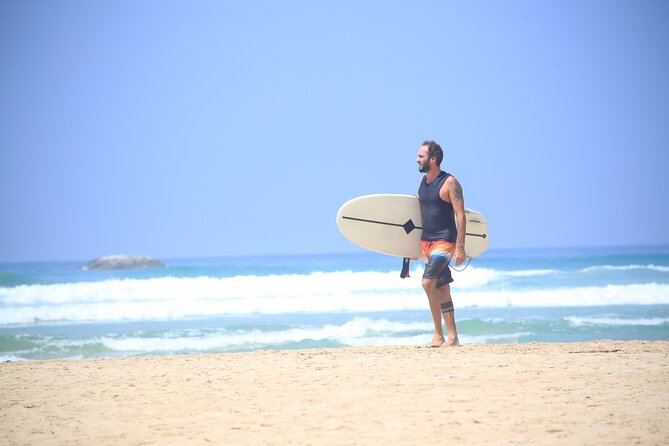
The stilt-fishing portion happens on Ahangama Beach with 4 stilt fishermen. Expect a short orientation before anything “hands-on” happens, because the whole point is learning how the technique works—not just stepping on stilts and hoping for the best.
Here’s what you should watch for during the lesson:
- How the fishermen position themselves and time their movements
- How they handle gear and read the water
- What they consider correct form (standing balance, reach, and control)
The tour is designed so that you can witness the group working first, then take your turn. That’s one of the reasons this type of experience has real staying power: you don’t just observe a craft, you practice it in a controlled way with people who do it regularly.
A practical drawback to plan for
Trying stilt fishing yourself is not a sit-and-smile activity. Even if it’s not physically intense like a hike, it can feel awkward at first because you’re balancing on equipment and working with your hands. Go in with the mindset of learning, not performing.
Your chance to try stilt fishing (and catch fish for the meal)
After the initial explanation, you’ll have the option of trying stilt fishing yourself. The tour description says you can catch a few different types of fish in the area, and those fish are meant to be consumed on the same day for lunch or dinner.
That “same-day connection” is more meaningful than it sounds. You’re not eating something that arrived frozen from far away—you’re eating a local result of local work. When you know what the fishermen were doing minutes earlier, the lunch carries extra context.
Even if you don’t catch a lot during your turn, you’ll still come away with a better understanding of:
- Why the stilts matter
- How the fishermen work as a group
- How much timing affects results in shallow water
The cultural village stop: finger weaving and everyday artisan making
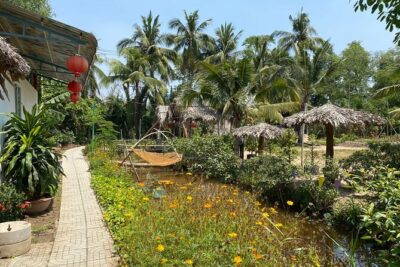
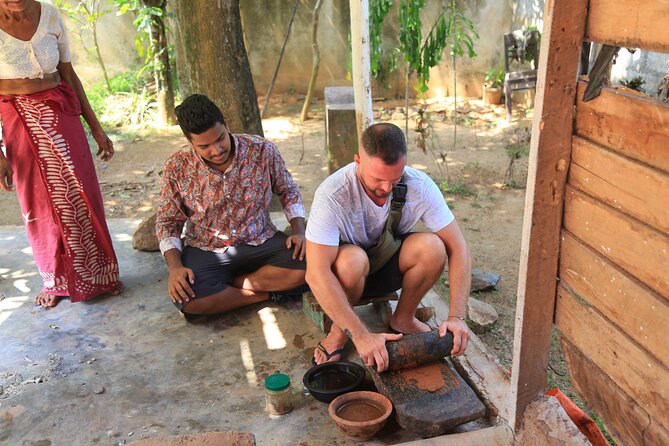
Next, you visit a nearby village for a cultural experience hosted by a Sri Lankan host. The tour also says you’ll meet about 10 villagers who share traditional activities. Expect demonstrations of skills like finger weaving and making artisan household items, such as rugs, table mats, and chairs.
This is the part I usually recommend to people who worry stilt fishing might feel too “touristy.” The village element shifts the focus to daily life—how people make useful things using traditional methods, and how those skills get passed along. It also helps you understand that fishing isn’t isolated; it sits inside a broader community economy and knowledge system.
What to pay attention to at the village
When someone is demonstrating a craft like finger weaving, the real lesson is the process. Slow down and look at how they:
- Prepare materials
- Use their hands with specific technique
- Keep consistency across a pattern
If you’re the type who loves hands-on learning, you might enjoy asking questions during the demonstrations. If you’re not, just watch carefully—this is the kind of activity where observation is still active.
Lunch from the catch: live cooking, tea, and snacks
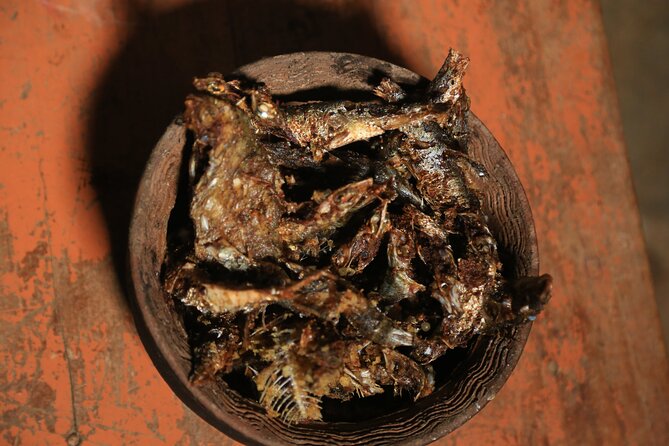
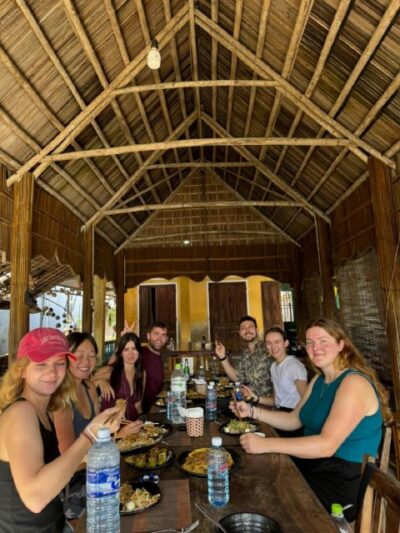
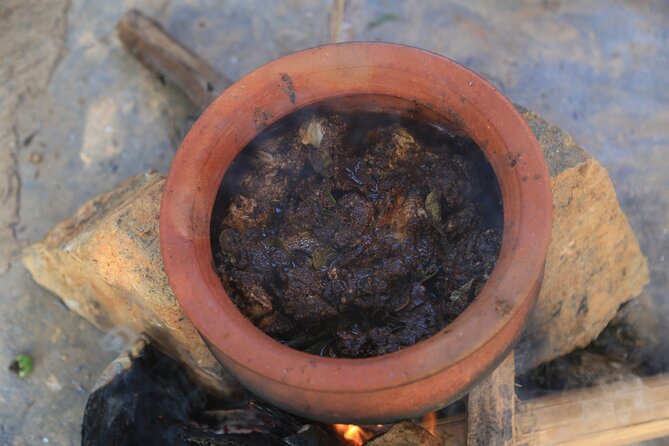
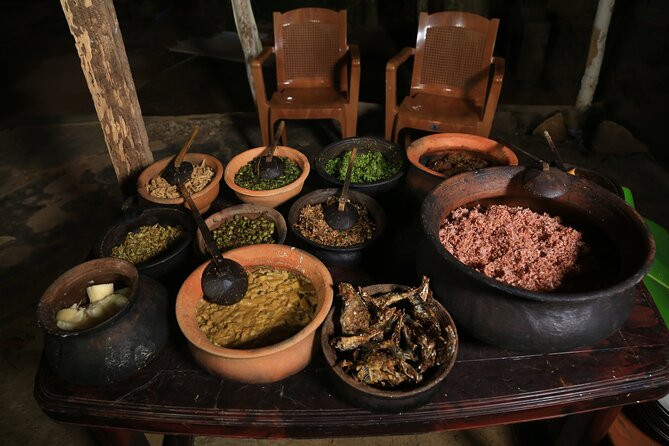
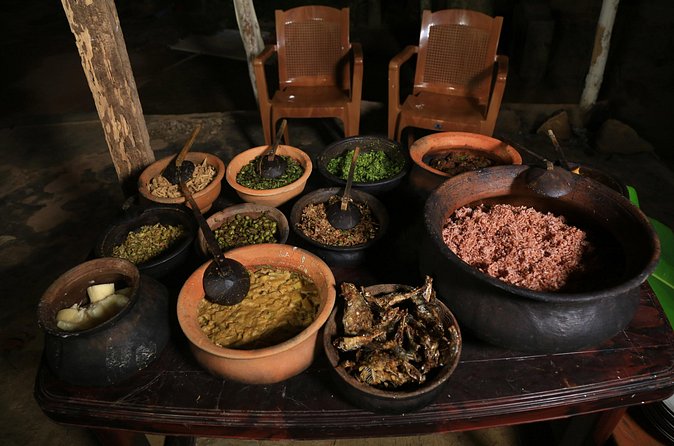
The day culminates with authentic Sri Lankan lunch (or dinner, depending on how the day runs) with a live cooking experience. The tour specifically mentions that recipes use fresh, heirloom ingredients and that ingredients are organic and described as healthy.
You’ll also be fed what you caught. That’s a standout detail because it ties the whole experience together: fishing leads to food, and food leads to learning about local flavors and cooking style.
A couple of practical tips for lunch comfort:
- Plan for strong aromas—Sri Lankan cooking often uses fragrant spices
- If you’re prone to spicy food discomfort, tell your guide so the kitchen can steer you
- Eat slowly after active fishing, because you’ll want your energy back for the village portion
You also get tea and snacks, so you’re not left hungry between activities. With the tour lasting about 3 hours, this pacing makes sense: quick cultural immersion, then a full stop for food so you finish satisfied.
Price and value: what $140 per person buys you
At $140 per person, this isn’t a budget add-on. It’s closer to a hands-on cultural experience where you’re paying for time, instruction, and a meal that’s connected to local work.
Here’s where the value comes from:
- Private format: your group only, which usually means less waiting and more focused interaction
- English guidance throughout, so you get more than a visual show
- Multiple components in one half-day: beach fishing + village craft + live lunch
- You participate, not just watch, because you have the chance to try stilt fishing
If you compare it to paying separately for a boat/driver and a meal tour, you’re essentially bundling the “how” and the “why” with the food. That’s often worth it when your time is limited and you want meaningful moments in a short window.
Group discounts are mentioned, so if you can travel with others, ask about how the discount applies. That’s one of the easiest ways to improve value.
Logistics that matter: private group, mobile ticket, and transport notes
This is listed as a private tour/activity. Only your group participates, which generally makes it easier to ask questions and keep the pace comfortable.
You’ll also have a mobile ticket, and you’re told confirmation is received within 48 hours of booking, depending on availability. The meeting point is clearly defined at Hopper street food in Ahangama, and the tour returns you there at the end.
One note to keep in mind from real-world experience: if any pickup or transport is arranged by a local vehicle, double-check vehicle details you’re given. A previous visitor raised a caution about paying attention to vehicle paperwork, and that’s a good habit anywhere—especially when you’re trusting someone else to handle the logistics.
Who this stilt-fishing tour fits best (and who should rethink)
This tour is a strong match if you:
- Want a hands-on cultural activity rather than a passive sightseeing stop
- Like food tours where the meal is tied to what you did earlier
- Enjoy meeting local people and watching crafts firsthand
- Prefer an English guide to keep the experience understandable and respectful
It may be less ideal if you:
- Want a fully relaxed, zero-activity day
- Are uncomfortable with water environments or balance-based tasks
- Have limited heat tolerance for a morning beach start
If you’re traveling with family, the tour can still work, but think carefully about comfort with active components. The tour is short (about 3 hours), which helps, but it’s still hands-on.
Should you book this Ahangama stilt-fishing experience?
I’d book it if you want one stop that genuinely connects fishing technique, village craft, and a meal made from the catch. The private format and the English-guided structure make it easier to get meaning from what you’re seeing, not just collect photos.
I’d hesitate only if you strongly prefer lounging over participation, or if you’re worried about balance and getting involved in the fishing part. If that’s you, you could still enjoy the beach observation and village crafts, but the star of the show is the interaction—so go in wanting to try.
FAQ
FAQ
What is the stilt-fishing experience in Ahangama?
It’s a hands-on stilt-fishing experience on Ahangama Beach with 4 stilt fishermen, plus a cultural village visit and an authentic Sri Lankan lunch with live cooking. You’ll also have an English guide throughout.
Where does the tour start?
The meeting point is Hopper street food (X9C8+G74), Ahangama, Sri Lanka.
What time does it start?
The start time is 10:30am.
How long is the experience?
The duration is about 3 hours.
How much does it cost?
The price is $140.00 per person.
Is it a private tour?
Yes. It’s a private tour/activity, and only your group will participate.
Does the tour include an English guide?
Yes, an English guide guides you throughout the experience.
Can I try stilt fishing myself?
Yes. After witnessing the fishermen and learning the ropes, the tour says you’ll have the option to try stilt fishing yourself.
Is there free cancellation?
Yes. You can cancel for a full refund up to 24 hours before the experience’s start time. Any changes within 24 hours aren’t accepted, and late cancellations aren’t refunded.
Can service animals go on the tour?
Yes. Service animals are allowed.