REVIEW · SANTONA
Santoña: Anchovy Art Gallery with Fishing Port and Market
Book on GetYourGuide →Operated by Nicolás C. Servicios Turísticos · Bookable on GetYourGuide
Anchovies have a story worth seeing. This day tour in Cantabria pairs the working Santoña port with the Anchovy Art Gallery at Conservas Ana María, so the famous product doesn’t stay a mystery. You’ll move from boats and sales to antique filleting equipment and a live demonstration, then finish by tasting what all that effort creates.
I particularly like the way the guide turns the port into something you can actually read (purse-seine boats, ship registrations, and the auction flow). I also love the anchovy fillet tasting, because you get a clear before-and-after between seeing the process and eating the result. The main drawback: it’s very seafood- and anchovy-focused, so if you’re not interested in fishing details or strong maritime smells, this may not be your best fit.
In This Review
- Key things you’ll notice on this Santoña anchovy tour
- Where the day starts: Mirador de las marismas and the working harbor
- Puerto Santoña’s auction scene: purse-seine boats and ship registrations
- A short photo stop that’s actually worth it
- Conservas Ana María: stepping into anchovy processing with antique machinery
- The filleting demonstration: learning what your fork can’t show
- The tasting at the gallery bar/shop: what to pay attention to
- Price and value: what $20 buys you in Santoña
- Is this tour right for you?
- Should you book the Santoña Anchovy Art Gallery tour?
- FAQ
- How much does the tour cost?
- How long is the experience?
- Where does the tour start?
- What’s included in the price?
- Is there a live guide, and what languages are offered?
- How does the port portion work?
- What happens inside Conservas Ana María?
- Can I cancel, and can I reserve without paying right away?
Key things you’ll notice on this Santoña anchovy tour
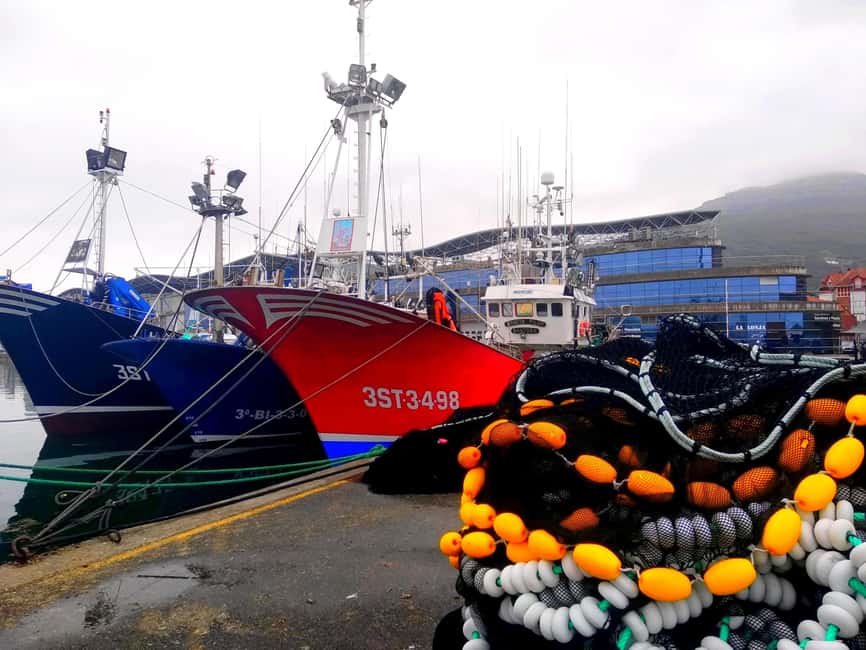
- The port explained like a system: purse-seine vessels, ship registrations, and how the day’s catch gets sold
- A quick photo moment at the right spot by the marismas/port area
- Anchovy processing machines from the early 20th century at Conservas Ana María
- Sicilian origins of filleting techniques linked directly to Cantabria’s anchovy culture
- A guided filleting demonstration, then tasting at the gallery’s bar/shop
Where the day starts: Mirador de las marismas and the working harbor
I like starting points that put you in the right mindset fast, and this one does. You meet at Mirador de las marismas/puerto de Santoña, which gives you a sensible sense of place: you’re not just visiting an attraction, you’re entering the setting where anchovies become a local identity.
From there, the tour shifts from scenery to function. You’re guided along the port area where fishing isn’t background noise—it’s the main event. This matters because anchovy culture in Santoña is built on routine: what ships do, when the catch arrives, and how it’s handled next.
Practical tip: wear comfortable shoes. Port areas can be uneven, and you’ll want to move easily for the walk and short stops.
Puerto Santoña’s auction scene: purse-seine boats and ship registrations
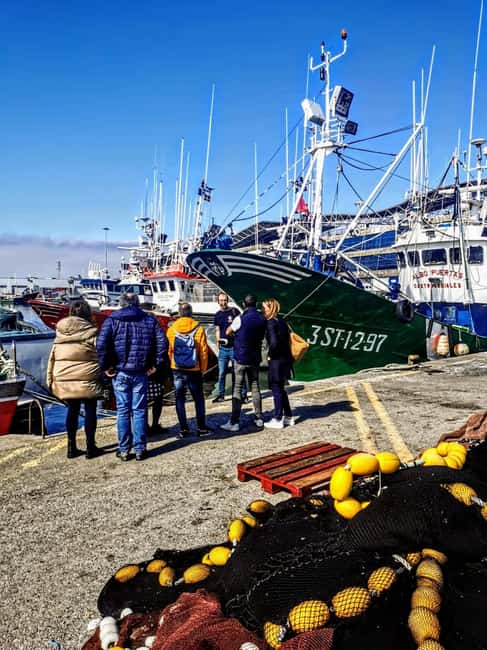
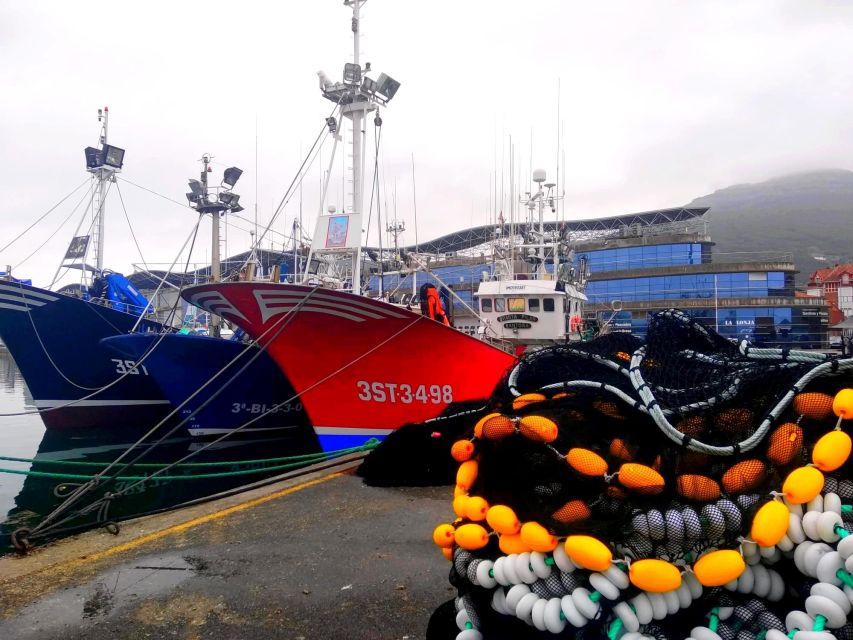
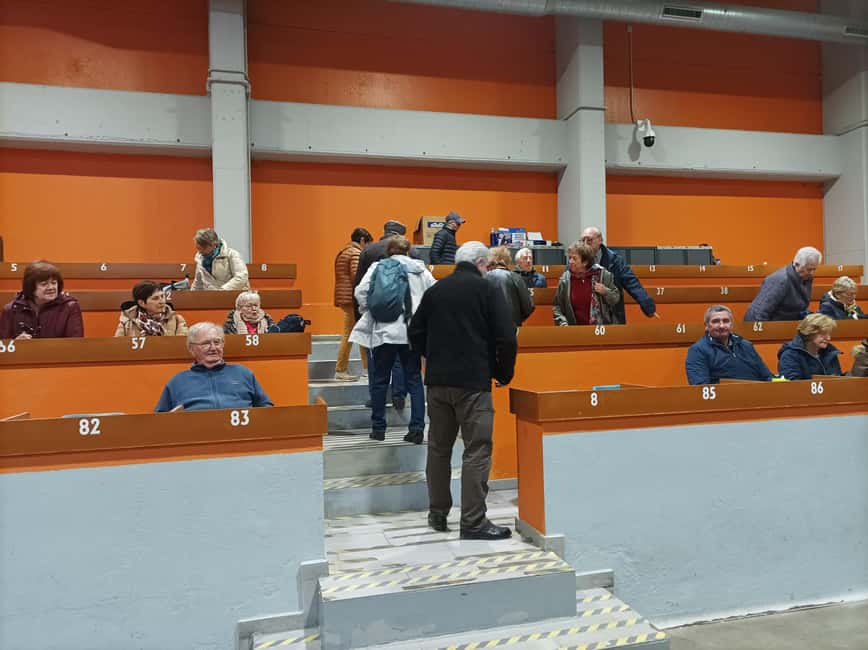
The most useful part of the port visit is that it’s explained step-by-step instead of treated like a blur. You’ll learn about purse seine vessels, how to interpret ship registrations, and how the daily auction process works when the catch is sold.
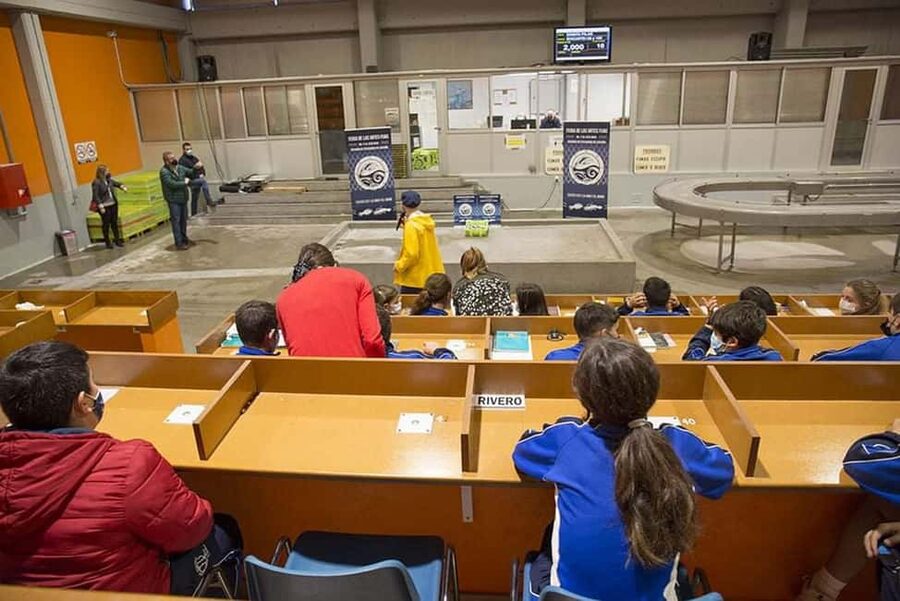
If you’ve ever looked at a busy market scene and felt lost, this is what helps. The port can feel chaotic from the outside. With a guide, you start spotting the pieces: which vessels are part of the day’s fishing, and what the auction system is actually doing (turning catch into supply for processing).
This is also where you get a feel for the stakes. Anchovies are time-sensitive, and the port-to-factory chain is where quality starts. Seeing the sales flow makes the later “why” of the processing steps click.
A short photo stop that’s actually worth it
After the guided port time, you get a 5-minute photo stop. It’s brief by design, and that’s a plus if you’re trying to keep the day moving without turning every step into a photo shoot.
I’d use this pause for two things:
- Capture the port/marismas view so you remember the setting later
- Take a quick shot that shows the working side of Santoña, not just the scenic angle
Conservas Ana María: stepping into anchovy processing with antique machinery
Next comes the Anchovy Art Gallery inside Conservas Ana María. I like this stop because it turns food into craft. You’re not just looking at products in a display case—you’re seeing the tools and methods behind the work.
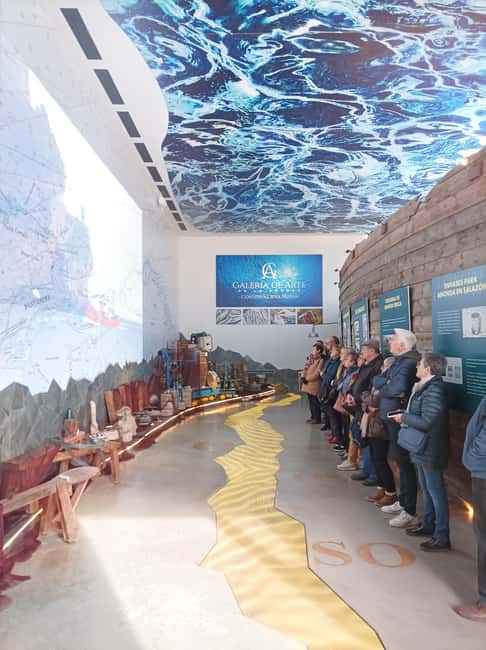
The collection includes antique machinery dating back to the early 20th century. That detail matters. It signals that this isn’t a modern “brand story.” It’s an industry with long continuity, where mechanical know-how and human skill have shaped the product over generations.
You also hear about the Sicilian origins of anchovy filleting in the Cantabrian Sea. That kind of historical connection is a reminder that regional foods often travel, adapt, and then become local traditions. It’s one of those facts that makes a tasting more meaningful because it gives context for why a technique looks the way it does.
The gallery visit is guided and pairs with food tasting, with the gallery segment listed at 40 minutes. That’s enough time to learn the main ideas without dragging you through slow museum pacing.
The filleting demonstration: learning what your fork can’t show
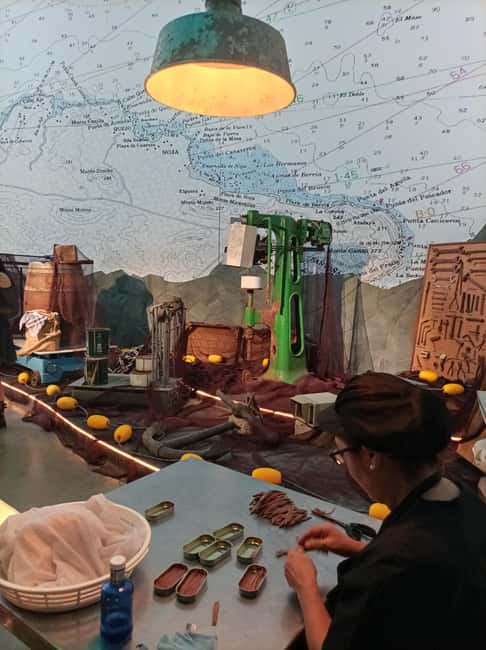
This is the part I think most people come for, even if they don’t say it out loud: watching a skilled worker do the anchovy filleting. You get to see how the work is handled in real time, not just read about it.
And yes, it’s practical knowledge. Once you’ve watched someone handle the filleting process, you start noticing details you’d otherwise miss when you buy anchovies. You’ll also understand why certain preparation steps matter for texture and taste.
This demonstration also helps you connect the two halves of the day: the port auction explained earlier, and the finished product you’ll eat later. You see that the product isn’t created at the table—it’s created through a careful chain of handling.
One more thing: the guide’s style helps here. Based on what I’ve learned about the guide’s approach (including extra online and physical material he uses), the explanations are designed to stick, not just pass by your ears. In other words, you’re not left guessing.
The tasting at the gallery bar/shop: what to pay attention to
The tour ends with a sensory experience: you taste freshly prepared anchovy fillets at the bar/shop within the Anchovy Art Gallery. I love this setup because it keeps the reward close to the learning. You don’t walk out and hope your brain connects the dots. You eat while the process is still fresh.
When you taste, don’t just think salty and savory. Try to notice:
- How clean the flavor feels (as opposed to overpowering)
- Whether the texture matches the care you saw in the filleting
- How the taste reflects the fact that this is a Cantabrian specialty built from a real working system
The tasting is included, so you’re not paying extra to confirm what you just learned. That’s good value logic: you’re buying access to context plus the chance to verify it with your palate.
Price and value: what $20 buys you in Santoña
At $20 per person for a 1-day experience, this tour is fairly priced for what you get on the ground: guided time in a working fishing area, entry to the Anchovy Art Gallery, and an anchovy fillet tasting.
Here’s how I evaluate value for a tour like this:
- You’re paying for more than a building visit. You get the port context, which is often the part independent visitors miss.
- You’re getting a paid tasting included, which turns the experience from educational to truly edible.
- You’re learning through a live guide in Spanish, French, or English, which matters because the process details are the point.
If you love food culture and want to understand why a local product tastes the way it does, this is strong value. If you only want a casual stroll and don’t care about fishing or processing details, you might feel the emphasis is more technical than you expected.
A quick note on timing: the schedule lists a port guided tour block as 30 hours. That’s likely a typo in the published text, but because the duration matters for your day planning, I’d confirm the exact duration when you book.
Is this tour right for you?
This tour is a great match if you:
- Like food where you can trace the supply chain (port to processing to tasting)
- Want cultural context, not just a quick look at antiques
- Enjoy learning from a guide who uses extra materials and takes explanations seriously (Nicolás C. is the named provider associated with the tour experience)
It may be less ideal if you:
- Don’t eat fish or strongly dislike seafood flavors
- Prefer art galleries without hands-on food and production content
- Want a long, slow sightseeing day rather than a focused food-and-fishing walkthrough
Should you book the Santoña Anchovy Art Gallery tour?
Yes—if you want your anchovies to come with context, and you like learning through action (auction explanations plus a live filleting demonstration plus a tasting right after). The pairing of working port and processing heritage is exactly what makes this feel more than a one-stop visit.
Book it especially if you’re the kind of traveler who wonders where your food comes from. The guide-driven explanations and the included tasting help you walk away with a real sense of what you’re eating and why Santoña is so serious about it.
FAQ
How much does the tour cost?
The price is listed at $20 per person.
How long is the experience?
It’s described as a 1-day tour.
Where does the tour start?
The starting location is Mirador de las marismas/puerto de Santoña.
What’s included in the price?
Entry to the Anchovy Art Gallery and an anchovy fillet tasting are included.
Is there a live guide, and what languages are offered?
Yes. The tour has a live guide available in Spanish, French, and English.
How does the port portion work?
You’ll have a guided look at the fishing port, with explanations that include purse seine vessels, ship registrations, and the auction process. There’s also a photo stop.
What happens inside Conservas Ana María?
You’ll visit the Anchovy Art Gallery with a guided tour, enjoy a food tasting, and see regional food as part of the experience.
Can I cancel, and can I reserve without paying right away?
Free cancellation is offered up to 24 hours in advance for a full refund. You can also reserve now and pay later, depending on availability and starting times.