REVIEW · NEGOMBO
Negombo: Fishing Village Highlights Private Tour by Tuk Tuk
Book on GetYourGuide →Operated by Beyond Escapes · Bookable on GetYourGuide
A tuk-tuk in Negombo is pure everyday life. This private-style fishing village route mixes sensory street scenes with cultural stops, from the Negombo Fish Market to major Hindu and Buddhist landmarks, all with a live English guide. The whole thing runs on tuk-tuk, so you see more than you would if everything were car-only.
I especially like two parts: first, the chance to ride through working neighborhoods instead of just viewing a monument from the outside, and second, the religious sites along the way, including temples with standout artwork like the Sri Singama Kali Amman Kovil and Angurukaramulla Temple. It’s also set up as a small group (up to 6), which keeps the pace comfortable.
One consideration: the schedule can feel tight in practice. Even though it’s listed as a 4-hour tour, timing can run shorter, and one guest noted the sweet king coconut drink wasn’t served when the day ran fast. If you have to catch another plan afterward, build in buffer time.
In This Review
- Key things to know before you go
- Why this Negombo tour works so well
- Getting from Waikkal or Negombo to the action
- Stop 1: Negombo Fish Market (where the morning energy lives)
- Dutch Fort remains: seeing colonial fingerprints without the museum feel
- Dutch Canal: the geography of movement
- Sri Singama Kali Amman Kovil: Hindu art you can actually look at
- Angurukaramulla Temple: Buddhist heritage and impressive artwork
- St. Mary’s Church: a major Christian landmark in Negombo
- The king coconut drink and the ride back
- Price and value: $45 for a focused culture-and-streets mix
- Who this tour suits (and who might want something else)
- Timing reality check: make sure the 4 hours works for you
- Tips to get the most out of the route
- Should you book this Negombo tuk-tuk tour?
- FAQ
- How long is the Negombo Fishing Village Highlights Private Tour by Tuk Tuk?
- Where can I be picked up for this tour?
- How much does the tour cost?
- What does the tour include?
- What stops are part of the tour?
- Is there a group size limit?
- What language is the guide?
Key things to know before you go
- 4-hour, tuk-tuk pace: You’ll move quickly but still get breaks, photo stops, and some walking time.
- Fish Market first: Start with the day’s catch and the energy of the market scene.
- Dutch Canal and Dutch Fort remains: Colonial-era details show up in practical, local geography.
- Temple mix: You’ll visit major Hindu and Buddhist sites, not just one faith.
- King coconut refreshment: The sweet coconut drink is part of the experience, but confirm timing if your itinerary is strict.
- Small group size: With a limit of 6, you get a more personal feel than big-van tours.
Why this Negombo tour works so well

Negombo is one of those places where the most interesting moments are often on the street, not behind ticket gates. This tour leans into that. You’ll ride through everyday neighborhoods by tuk-tuk, with stops that reflect the area’s working life and spiritual landscape.
What makes the experience practical is the mix of settings. You start in a place where you can watch a real routine unfold: the fish market. Then you shift to heritage and faith sites: Dutch-era remains and canals, plus Hindu and Buddhist temples, and finally a major Christian landmark. It’s not just a checklist. Each stop changes the mood, so the tour doesn’t feel repetitive.
The guide component matters too. The tour is listed with a live English guide, and that can make the difference between a simple ride-and-look and an actually informative cultural walk. My advice: come ready with a couple of questions about what you’re seeing, because the quality of the answers can vary depending on how the guide handles the group.
You can also read our reviews of more tours and experiences in Negombo.
Getting from Waikkal or Negombo to the action

Pickup is included, with two pickup options: Negombo and Waikkal. That’s useful if you’re staying outside the busiest central strip, because you don’t have to fight local transport first thing.
The tour is conducted via tuk-tuk, which is a big part of why this feels like a local experience. Narrower roads and tighter turns make it easier to see street life close up. You’ll also get a natural flow to the day: move, stop, look, short walk, repeat.
One thing to keep in mind: this is a shared route with limited seats (up to 6). That’s a good size for comfort, but it still means the day runs as a group timeline. If you like to linger, keep your expectations flexible during photo stops and transitions.
Stop 1: Negombo Fish Market (where the morning energy lives)
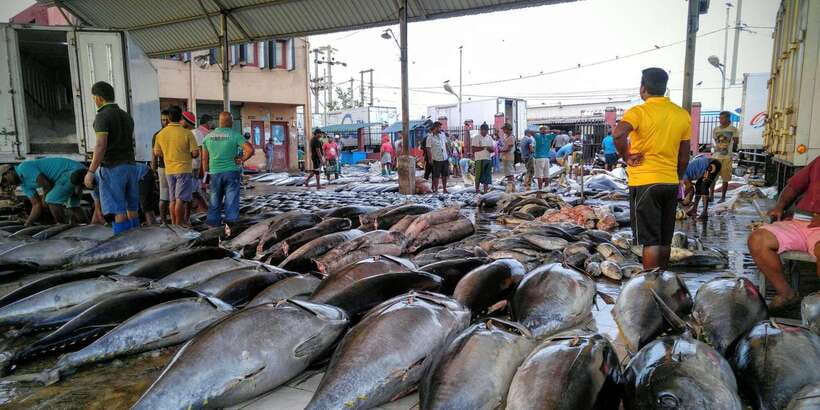
The tour begins at the Negombo Fish Market, and it’s the kind of start that immediately tells you what this town is about. You’re looking at the daily trade tied to fishing life. Expect the area to feel active and crowded, with lots of motion and noise as goods are handled and traded.
This is the moment you’ll appreciate if you like watching how local systems work. It’s not a staged exhibit. It’s a working market, so it’s more about real-time activity than perfect photo backdrops. If you’re the type who likes to take a quick look and then step back to read the atmosphere, this stop fits.
Also, market areas tend to spill into adjacent stalls and storefront life. One review language note referenced both fish and produce/fruit market activity, which matches what you often see in market districts. So if you’re curious about more than just fish, keep your eyes open around the market lanes while you’re there.
Dutch Fort remains: seeing colonial fingerprints without the museum feel
After the fish market, you head toward the Dutch Fort area. This isn’t described as a full museum visit. Instead, you explore the remains while your guide provides stories about the colonial era.
That phrasing is important. Remains mean you’re reading history through physical leftovers—layout, walls, and the “shape” of a site—rather than through a curated collection. If you enjoy history, but you don’t want to spend hours inside, this stop is a good middle ground.
Practical tip: bring a quick mental checklist. Look for the parts of the fort that help explain how the Dutch used the space. When your guide explains the why, you’ll see the buildings differently.
Dutch Canal: the geography of movement
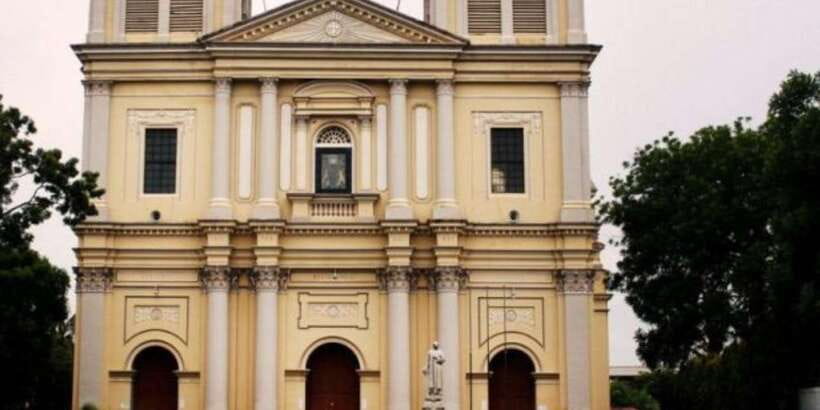
Next comes the Dutch Canal, described as a vital transportation route used by the Dutch administration. This stop is valuable because it turns history into something you can picture in the landscape. Instead of learning colonial history as an abstract timeline, you connect it to movement and logistics—how people and goods could travel.
Canal stops also work well on a tuk-tuk tour. You don’t need a long walk to understand the point: water routes matter. You’ll likely get a short window to look around and absorb the local feel before moving on.
If you’re sensitive to strong sun or heat, this is a good moment to use your break time wisely. You’ll be hopping between stops, so you want energy for temples later.
Sri Singama Kali Amman Kovil: Hindu art you can actually look at
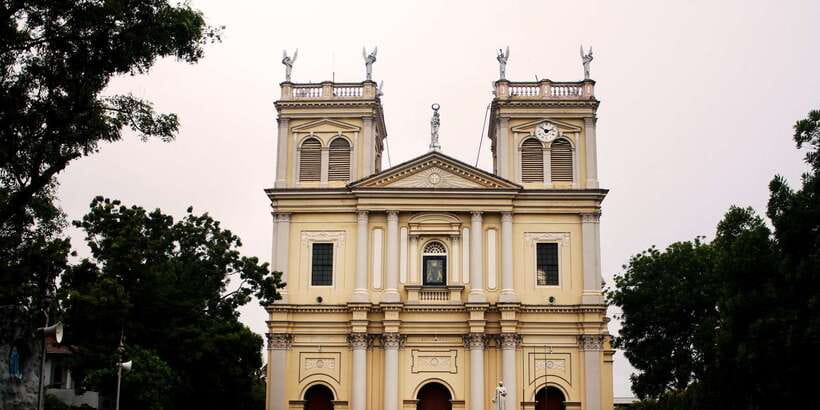
The tour then visits Sri Singama Kali Amman Kovil, an important Hindu temple known for striking murals and intricate sculptures.
This is one of the stops where your time can go from “quick look” to “I want to slow down.” Murals and sculpture details are the kind of thing that reward attention. You don’t need to be an art historian to enjoy it. Just give yourself a minute to look at faces, lines, and patterns instead of rushing for the broad shot.
Because it’s a religious site, dress and behavior matter. The tour description doesn’t specify dress rules, so I’ll keep it general: wear respectful clothing, keep your voice low, and ask before taking close-up photos if it’s not clear.
If your guide is strong, this temple visit becomes more meaningful. A good guide connects what you’re seeing to why it matters to local life.
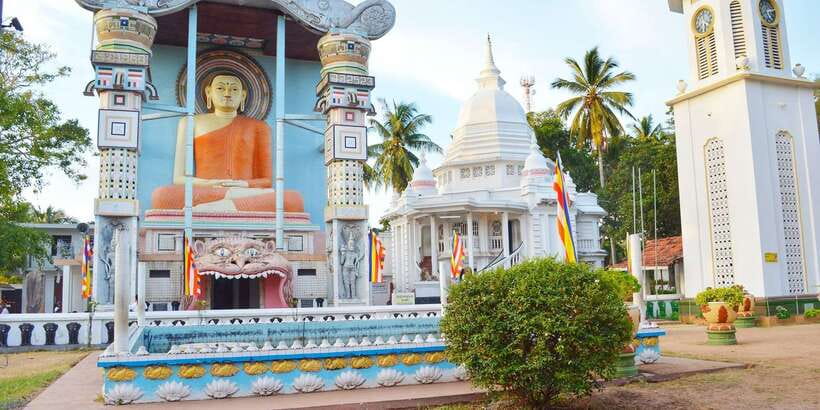
Angurukaramulla Temple: Buddhist heritage and impressive artwork
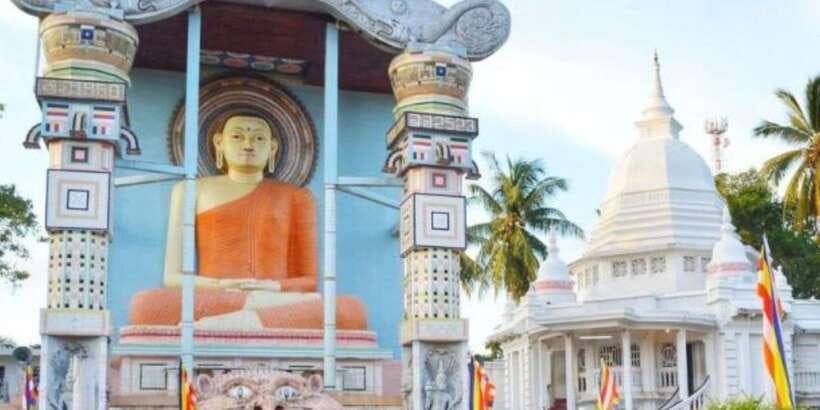
From Hindu sacred art, you’ll shift to Buddhist heritage at Angurukaramulla Temple, described as having over 300 years of Buddhist heritage and impressive artwork.
The big advantage here is contrast. You’re not only seeing different religious spaces—you’re seeing different artistic languages. The artwork becomes your translator. Even if you’re not learning every detail, you’ll sense differences in style, symbolism, and how spaces are used for worship.
This stop is also a good example of why a guided tuk-tuk tour beats a random self-drive. The guide helps you read what you would otherwise pass over.
If you’re short on time in Negombo, this is one of the better ways to cover multiple major sites without spending the whole day on complex transit.
St. Mary’s Church: a major Christian landmark in Negombo
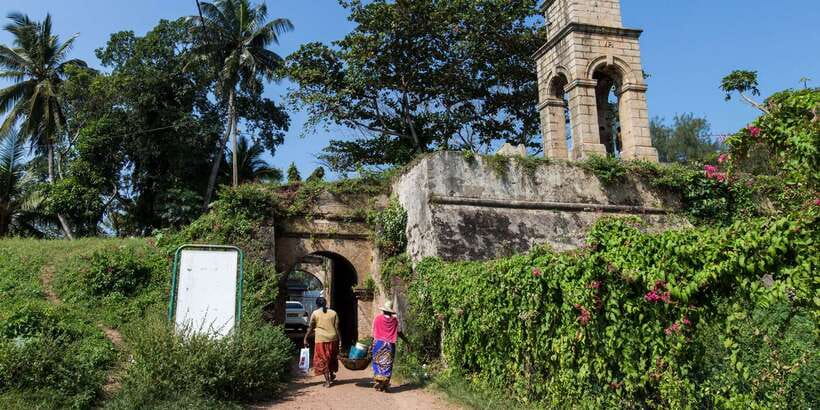
After the temples, the route finishes with St. Mary’s Church, one of the largest cathedrals in Sri Lanka and a significant landmark.
This is a useful final stop because it ties together the tour’s theme: Negombo isn’t one-note. You see a working harbor town, then major Hindu and Buddhist spaces, then a major Christian site—all within the same guided flow.
As the day winds down, churches and cathedrals also tend to feel calming compared to the market and street segments. It’s a nice way to end without the tour feeling abrupt.
The king coconut drink and the ride back
The tour wraps up with a refreshing king coconut drink and a relaxed tuk-tuk ride back to your accommodation in Negombo.
That coconut stop is part of the emotional finishing line. After looking at busy scenes and outdoor courtyards, a sweet coconut drink sounds simple. But it helps you actually enjoy the last stretch instead of just powering through.
That said, timing matters. One review mentioned the coconut drink didn’t happen when the day ran shorter than expected. So if you have dinner reservations or a later appointment, don’t treat the drink as optional. If the schedule is important, ask your guide about the plan for the refreshment during the tour.
Price and value: $45 for a focused culture-and-streets mix
At $45 per person for a 4-hour guided tuk-tuk tour, the value depends on two things: how well your guide explains what you’re seeing, and how smoothly the route fits your day.
Here’s why I think it’s reasonable. You’re paying for:
- hotel pickup and drop-off
- tuk-tuk transportation
- a live English guide
- entry fees
- refreshments during the ride
Meals aren’t included, so you’ll likely grab lunch or dinner on your own. But the tradeoff is that this route uses its time efficiently: you’re not stopping for long meal breaks, and you still cover multiple key sites in one morning/afternoon block.
It’s also priced like a small-group experience, with a cap of 6. That matters because a tuk-tuk tour can get uncomfortable in bigger numbers. Here, you’re less likely to feel boxed in.
Who this tour suits (and who might want something else)
This tour is a great fit if you want:
- an up-close look at Negombo’s daily fishing and market life
- a guided, religion-and-heritage route that doesn’t require long, separate outings
- a comfortable group size (small, not crowded)
It may not be ideal if:
- you need strict timing down to the minute
- you’re expecting deep, lecture-style history at every stop (the guide is live and English, but the depth of explanation can vary)
- you prefer a tour where you’ll spend long stretches at each site rather than rotating through several
If you’re the type who loves street scenes and temples but hates planning logistics, this one can be a smart use of a half day.
Timing reality check: make sure the 4 hours works for you
On paper, this is a 4-hour tour with a few built-in rhythm elements: break time, photo stop, guided tour segments, free time, sightseeing, and even a walk time listed as 3 hours within the overall duration.
In real life, the schedule can slip shorter, especially if the day starts with delays in pickup or if the market segment takes more time. One guest reported they only had around two hours and didn’t get the coconut drink. That doesn’t mean the tour is always like that, but it’s a real reminder.
My advice: if you’re booking this right before something important, give yourself buffer time after pickup and plan your next activity with flexibility.
Tips to get the most out of the route
A few small moves can make this tour feel much richer:
- Bring a couple of questions about each site before you arrive. Then you get the most out of a live English guide.
- Wear shoes you’re comfortable walking in. Temple and market areas often mean uneven ground and short distances on foot.
- Use the coconut drink moment as your reset. If the day runs long, a quick sip can help you keep your energy for the final stops.
- If you care most about one site (fish market vs temples), tell your guide early so they can help you prioritize your time.
Should you book this Negombo tuk-tuk tour?
Book it if you want a half-day, small-group taste of Negombo: fish market energy, Dutch-era landmarks like the Dutch Canal and fort remains, and major religious sites including Sri Singama Kali Amman Kovil, Angurukaramulla Temple, and St. Mary’s Church. The $45 price makes sense when you’ll actually use the guidance and entry fees, not when you’re mainly relying on your own wandering.
Skip or choose another option if you have tight timing constraints or you’re hoping for a very specific learning outcome with consistent, deep narration at every stop. In that case, ask more questions upfront about how the guide handles history and whether the full route and refreshment stop are scheduled to the end.
Overall, this is a solid way to see Negombo in motion, not just at rest.
FAQ
How long is the Negombo Fishing Village Highlights Private Tour by Tuk Tuk?
The tour duration is listed as 4 hours.
Where can I be picked up for this tour?
Hotel pickup is available from centrally located hotels in Negombo, with two pickup location options listed as Negombo and Waikkal.
How much does the tour cost?
The price is $45 per person.
What does the tour include?
It includes hotel pickup and drop-off, transportation via tuk-tuk, a tour guide, entry fees, and refreshments during the ride.
What stops are part of the tour?
The route includes the Negombo Fish Market, Dutch Fort remains, the Dutch Canal, Sri Singama Kali Amman Kovil, Angurukaramulla Temple, and St. Mary’s Church, with a king coconut drink at the end.
Is there a group size limit?
Yes. It’s listed as a small group limited to 6 participants.
What language is the guide?
The live tour guide speaks English.