REVIEW · MUMBAI
Mumbai Coastal Cooking: From Fishing Net to Flavourful Plate
Book on GetYourGuide →Operated by Explore Mumbai Tours · Bookable on GetYourGuide
Fish, nets, and stories from Mumbai’s coast. This experience pairs a from-market-to-plate cooking class with real time on the waterfront, so you understand what you’re eating and why it matters. I especially like how personal the meal planning feels, not like a scripted demo.
I also love getting hands-on in the kitchen with hosts Kavita and Ravi, learning dishes like fish curry and mandeli with clear, patient guidance. One possible drawback: access to the fisher village can be restricted on some days, so your plan may shift toward cooking and conversation at the home instead of the full village route.
In This Review
- Key Points You Should Know Before You Go
- From Tuk-Tuk Rides to the Fishing Village: The Setup That Makes It Real
- The Fishermen’s Village Walk: Nets, Boats, and That Up-Close Feeling
- The Fish Market Moment: Where Colorful Sarees and Fresh Catches Meet
- Net Weaving and Traditional Fishing Techniques: Learn Without Trying Too Hard
- The Cooking Class at Home: Kavita and Ravi Teach You to Cook Mumbai-Style Fish
- What You’ll Eat and Why It Matters (Fish Curry, Fried Mandeli, Roti, and a Sour-Spicy Drink)
- Price and Value: Is $21 for 3 Hours a Good Deal?
- Who Should Book This Mumbai Coastal Cooking Tour?
- Should You Book Mumbai Coastal Cooking?
- FAQ
- How long is the Mumbai Coastal Cooking experience?
- Where does the tour meet?
- Is this tour a private group?
- What language will the host or greeter use?
- What’s included in the experience?
- Is the experience seafood-focused?
- Can I cancel for a full refund?
- Can I pay later instead of paying today?
Key Points You Should Know Before You Go
- A market-to-kitchen flow: you shop and observe first, then cook your seafood meal.
- Colorful fisherwomen at the fish market: you’ll see the work and the sales side up close.
- Net weaving and traditional fishing techniques: you get to watch how the catch starts.
- Cooking with Kavita and Ravi: fish curry, fried fish, roti/chapati, and more, taught step by step.
- Private group pace: you can ask questions and move at a human speed.
- Plan variations can happen: if village access is blocked, the cooking experience can still be the highlight.
From Tuk-Tuk Rides to the Fishing Village: The Setup That Makes It Real
Mumbai coastal cooking doesn’t start in a kitchen. It starts with movement—meeting your guide or greeter in the area (the exact meeting point can vary by option), then hopping into a tuk-tuk to reach the fishermen’s side of the city.
What I like about this approach is simple: it keeps food attached to place. You’re not just learning recipes for fish curry and roti; you’re seeing the shoreline livelihood that feeds those recipes. Even the early parts of the route feel like orientation—how the neighborhood is laid out, where boats are used, and how daily work happens.
You should also know the experience is designed for a small, private group, and the host communicates in English. That matters because you can ask questions about ingredients, methods, and what certain dishes mean locally, without playing guessing games.
The Fishermen’s Village Walk: Nets, Boats, and That Up-Close Feeling
The tour’s core idea is to connect food to fishing life. You’ll visit the fishermen’s village area and spend time observing boats, docks, and the working rhythm around the coast. You also get to see net weaving and traditional fishing techniques—things you’ll never get from a quick photo stop.
There’s another detail that makes this more than sightseeing: the village area is tied to a historic festive ground linked to British history. You’ll notice that the space isn’t just practical. It’s also cultural, with layers that show how the coast changed while people kept doing the same essential work.
Now the practical part. One caution I’d repeat: access restrictions can sometimes block the full village visit. In one recent booking, the fisher village portion wasn’t possible, and the day shifted to meeting at the host’s home and spending about three hours cooking and talking instead. If you’re booking because you really want the full village route, keep an open mind.
Still, even in that adjusted version, the heart of the experience stayed intact—learning real seafood dishes and hearing real stories from a family kitchen.
The Fish Market Moment: Where Colorful Sarees and Fresh Catches Meet
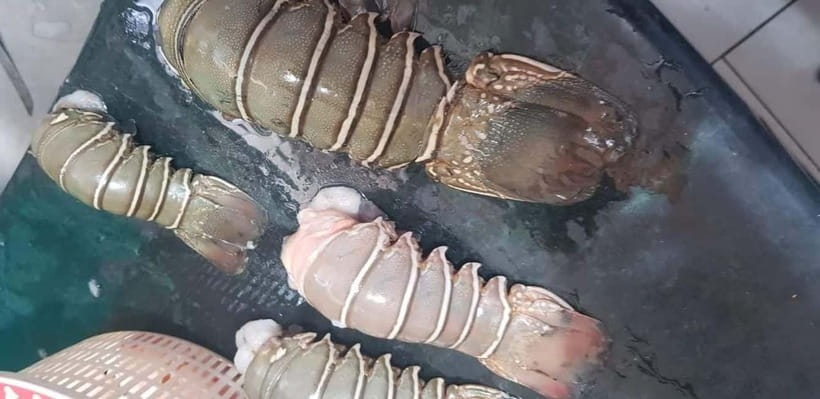
After the shoreline observing, you head into the fish market. This is where the tour earns its keep. You get a walk through the stalls and the buying side of coastal life—who sells, how fresh catches are handled, and how the whole system moves fast.
The experience includes meeting vibrant women in colorful sarees selling fresh catches. That detail isn’t just visual. It’s the human scale of food: you’re seeing the people who handle the seafood before it ever reaches a restaurant.
If you’re the kind of traveler who likes to understand what you’re eating, this market stop is key. It helps you see seafood as a daily supply chain, not as a product that magically appears on a plate.
What to consider: fish markets can be active and crowded. Wear comfortable shoes, expect you’ll be close to stalls and movement, and plan for the smell of fresh seafood—this is part of the authenticity.
Net Weaving and Traditional Fishing Techniques: Learn Without Trying Too Hard
One of the best parts of this tour is the chance to watch net weaving and other traditional fishing techniques. You don’t need to be a fisherman to follow what’s happening. The guide points out what’s going on, and the visual pattern of weaving helps you understand how materials become usable gear.
This section matters because it connects technique to flavor. The type of fish, how it’s caught, and how it’s handled influence what ends up cooking in the kitchen later. You’ll likely notice that your seafood dishes make more sense after seeing the steps behind them.
You’ll also spend time strolling through fishermen’s docks. Even if you only stay for a short window, it gives you a sense of the coastal environment—boats, work spaces, and the way the shoreline supports livelihoods year-round.
The Cooking Class at Home: Kavita and Ravi Teach You to Cook Mumbai-Style Fish
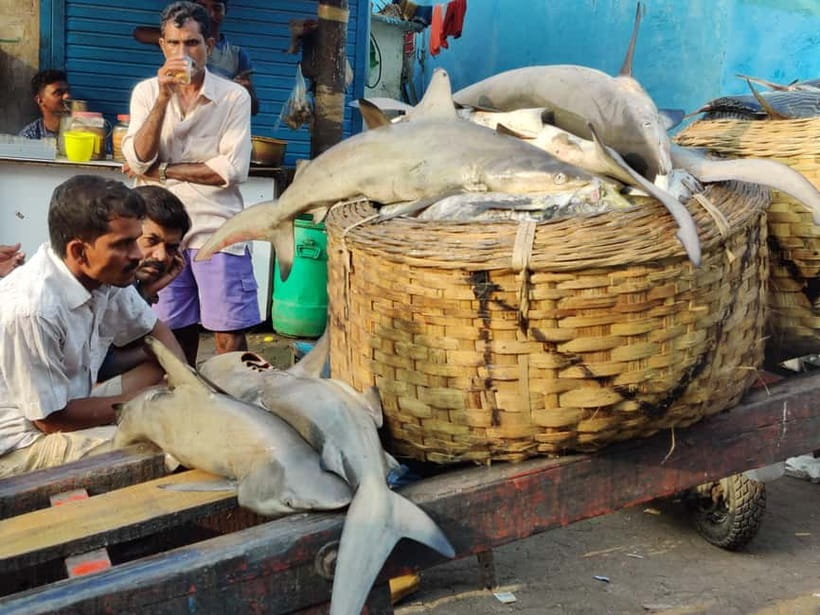
The cooking part is the real payoff. You head to a local home for a hands-on session where you prepare traditional Mumbai fish delicacies. This is not a classroom. It’s a family kitchen, and that changes everything.
On the menu you can expect fish curry, a fried fish preparation (mandeli is one dish you may cook or taste), rice, and bread like roti and chapati. The tour also mentions making fisherman’s bread and a sour-spicy drink. Some dishes may vary by availability and the day’s seafood, which is normal for a cooking class tied to what’s fresh.
What I love most is the teaching style. In recent experiences, hosts Kavita and Ravi guided participants step by step in English, and many guests got actual tasks. One guest even helped by frying one batch of mandeli. That’s the kind of participation that turns a tour meal into a skill you can repeat later at home.
Also, the household tone is warm and open. Conversations can cover everyday life, food culture across India, and personal stories connected to working on and near the coast. In one standout experience, the guest said the conversation challenged assumptions about life in areas like Dharavi, because it was so ordinary and real—stories about dreams, routines, and family life, not just food.
Practical tip: if you’re sensitive to spice, say so. A sour-spicy drink is part of the plan, and fish curries can run warm depending on the recipe.
What You’ll Eat and Why It Matters (Fish Curry, Fried Mandeli, Roti, and a Sour-Spicy Drink)
Let’s talk food specifics, because this tour is built around your plate. The cooking sessions are designed around Mumbai-style coastal flavors: curry for comfort, fried fish for crunch and depth, and bread to soak up sauce.
You’ll likely cover:
- Fish curry: learned through guided steps, not just a thrown-together method.
- Fried fish like mandeli: often cooked with your own hands, so you understand timing and texture.
- Roti and chapati: bread makes the meal feel complete, and you get practical dough/rolling guidance.
- Rice: balances the spice and curry weight.
- A sour-spicy drink: gives you a palate reset and shows how local flavors aren’t just heat.
What this teaches you, beyond the recipe, is flavor logic. Curry isn’t one thing—it’s layers of aroma and balance. Fried fish isn’t just frying—it’s heat control and seasoning discipline. And bread is not an afterthought; it’s part of how the meal is designed.
If you’ve ever eaten seafood in India and wondered why it tastes different from home versions, this tour helps you spot the difference in process.
Price and Value: Is $21 for 3 Hours a Good Deal?
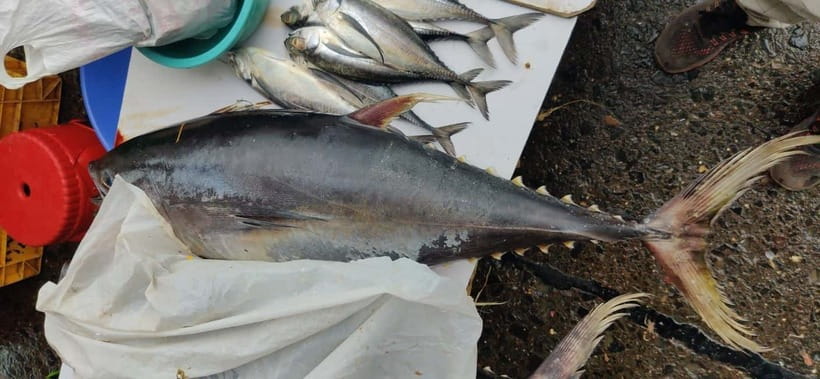
At about $21 per person for a 3-hour experience, this sits in the value zone for Mumbai. But the real question isn’t just the price. It’s what you get for it: market time, coastal observation, and hands-on cooking in a local home.
Many cooking classes give you a recipe card and a tasteless souvenir. This one gives you participation—shopping, seeing net weaving, walking the docks, then cooking multiple dishes. When a host like Kavita and Ravi keeps explaining what they’re doing in English and lets you work, the class turns into a real learning experience.
Also, private group format adds value. You’re not forced into a large crowd where questions get lost. Your pace stays human.
One note: while the duration is listed at 3 hours, some real-world experiences have run around 4 hours or slightly longer. That usually reflects how long it takes to shop, cook, and eat comfortably with a host family.
So, yes: for the combination of coastal context and actual cooking practice, $21 feels fair.
Who Should Book This Mumbai Coastal Cooking Tour?
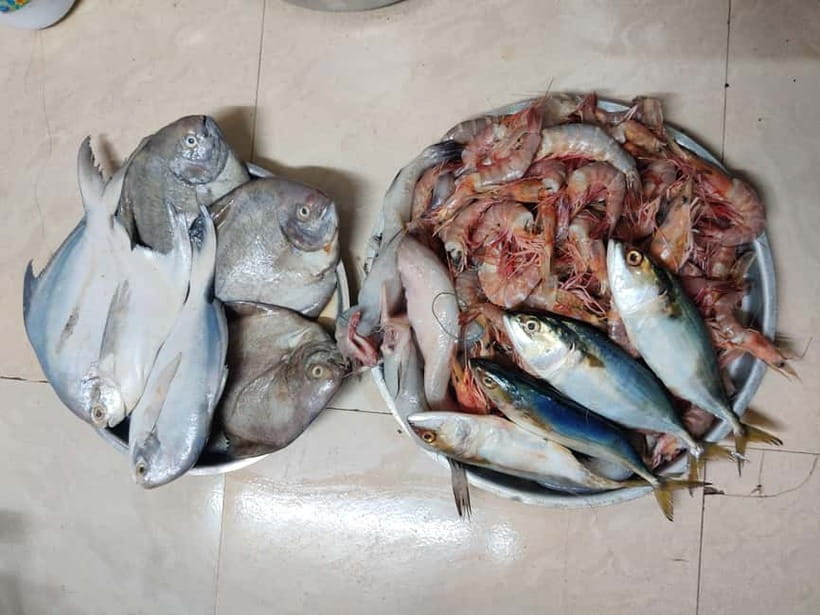
This is best for you if:
- You want a hands-on cooking class tied to local life, not just food sampling.
- You like seafood and want to learn Mumbai-style flavors in a practical way.
- You enjoy asking questions and trading stories in a home setting.
- You’d rather see nets and docks than only eat in restaurants.
It might not be your best fit if:
- You only want sightseeing at the fisher village and would feel disappointed if access gets restricted and the plan shifts.
- You prefer fully controlled environments where nothing changes.
As for language and group type, you’re covered. The host or greeter is English-speaking, and it’s a private group.
Should You Book Mumbai Coastal Cooking?
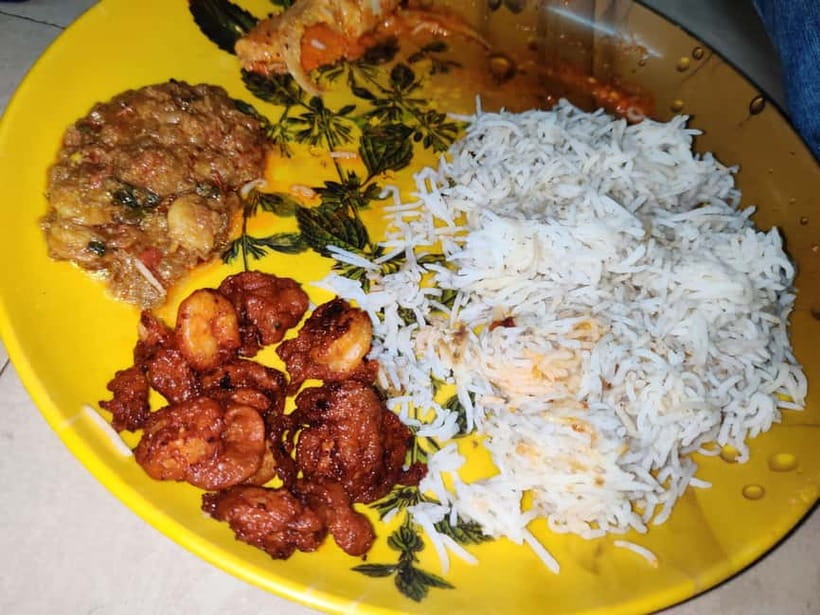
If you want a Mumbai experience that feels like real work and real food—starting from nets and ending with your own fish curry—I’d book it. The market walk and coastal observation give the cooking meaning, and the home setting with Kavita and Ravi turns the class into a memory you’ll talk about later.
But go in with the right expectations. You’re paying for authenticity and hands-on learning, not a guarantee that every village access point will be open. When access shifts, the day can still be excellent, since the cooking and conversation are strong enough to carry the experience.
My simple decision rule: if you’re excited to learn, cook, and eat with a family in Mumbai, this is a great match. If you’re only chasing a checklist of stops, you might want something more fixed.
FAQ
How long is the Mumbai Coastal Cooking experience?
The duration is listed as 3 hours.
Where does the tour meet?
The meeting point may vary depending on the option you booked.
Is this tour a private group?
Yes, it’s described as a private group.
What language will the host or greeter use?
English.
What’s included in the experience?
It includes a visit to the fisherman’s village, a tuk-tuk ride, a fish market visit, and coastal food cooking classes.
Is the experience seafood-focused?
The cooking is focused on traditional Mumbai fish delicacies, including fish curry and fried fish like mandeli, plus bread and a sour-spicy drink.
Can I cancel for a full refund?
Yes. You can cancel up to 24 hours in advance for a full refund.
Can I pay later instead of paying today?
Yes. You can reserve now and pay later, so you can book your spot and pay nothing today.