REVIEW · SENTOSA ISLAND
Kayak Fishing in Singapore, Sentosa, East Coast: Day, Sunset & Night Adventures
Book on Viator →Operated by Kayak Fishing Fever · Bookable on Viator
Pedal-cast fishing starts right off Singapore’s coast. I’m drawn to this Kayak Fishing Fever trip because it mixes hands-on fishing lessons with real time on the water, from Sentosa out toward the East Coast and nearby islands. You’re on Hobie fishing kayaks with Mirage Drive pedals, so you’re not just sitting and waiting for a boat to take you somewhere.
What I love most is the way the Mirage Drive system lets you move steadily with your legs, keeping your hands free for casting. I also like that everything practical is handled for you—tackle, bait, life jacket, and even photos—so you can focus on learning and having fun with the water.
One possible drawback: this is a good-weather experience, and the sun can be intense, so you’ll want to dress for heat and keep an eye on conditions.
In This Review
- Key things to know before you go
- Hobie pedal kayaks: why this fishing feels different
- Where you fish: Sentosa, East Coast, and the island-hop route
- A quick note on timing and atmosphere
- Tanjong Beach to Siloso: getting comfortable fast
- East Coast and Lazarus Island: where the fishing energy picks up
- Changi Beach to Bedok Jetty: calm cruising with real gear on
- Pulau Ubin Nature and Kampong Walk: a break from pure fishing
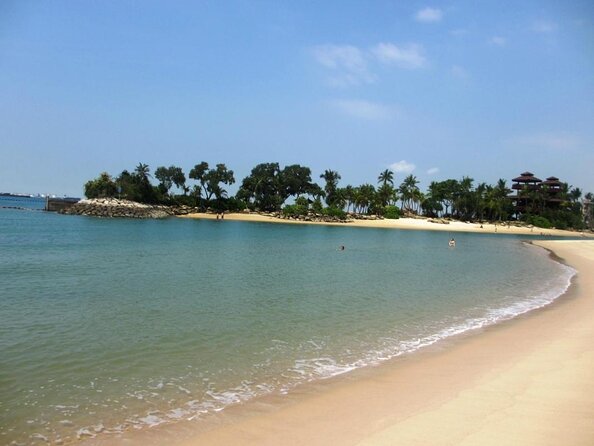
- Returning through Sentosa and Palawan Beach
- Gear and coaching: what you’re given and what you’ll learn
- What happens when you cast
- Price and value: is $120.41 worth it?
- Practical tips: what to bring and how to survive the heat
- Who should book this kayak fishing trip (and who might not)
- Should you book? My take
- FAQ
- How long is the kayak fishing experience?
- Where does the tour start?
- What’s included in the price?
- What do I need to bring?
- Is this tour suitable for beginners?
- How many people are on the tour?
- What happens if the weather is poor?
Key things to know before you go
- Hobie kayak + Mirage Drive pedals: leg-powered movement helps you stay in the right fishing zone.
- Fishing tackle and bait included: Penn and Shimano gear, plus bait, so you’re not scrambling for supplies.
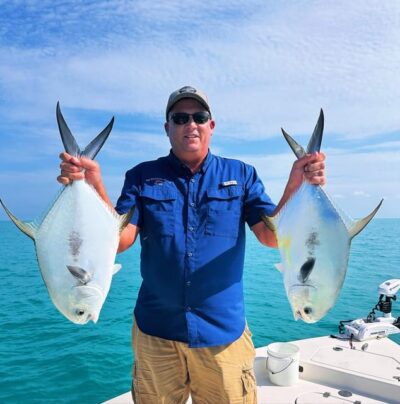
- Snappers and groupers are the target: you’ll fish for tropical species while surrounded by Singapore’s islands.
- Guides actively coach technique: you’ll get instruction you can use right away, whether it’s your first time or not.
- Small group size (max 12): easier attention when you’re learning to pedal, cast, and manage a line.
- Photos of your trip included: you get memories even if you’re busy concentrating on the water.
Hobie pedal kayaks: why this fishing feels different
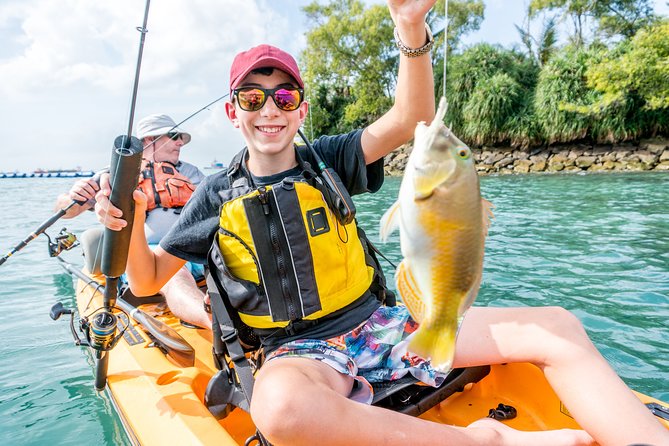
This isn’t the typical “stand on a deck and hope” kind of fishing trip. You’re in a Hobie fishing kayak, and the big selling point is the Mirage Drive pedal system. You’ll propel with your legs, which means you can keep your upper body relaxed and focus on casting and reeling without constantly switching between paddling and fishing.
It also changes the vibe. Kayak fishing tends to feel more personal because you’re close to the water and moving at the pace you control. Even if you’re new, the structure helps: you learn the basics on the way, and you’re not stuck with only one spot or one slow-moving routine.
The trip also includes the safety gear and communications you’d want for open water fishing—life jacket (PFD) and a VHF radio. That matters when you’re dealing with wind, waves, and the constant salt-air reminder that you’re out there for real.
Where you fish: Sentosa, East Coast, and the island-hop route
The route is built around variety. You start from Tanjong Beach, then work your way through well-known Sentosa areas and beyond, with stretches that feel more open and expansive as you move toward the East Coast and nearby islands.
You’ll hit key stops like Sentosa Island and Sentosa Merlion, then continue past beaches such as Siloso Beach. From there, the trip shifts toward East Coast, including Lazarus Island, before moving toward Changi Beach and Bedok Jetty.
The itinerary then continues through areas like Changi Village and National Service Resort & Country Club, before looping back toward Sentosa. Later you transition to Pulau Ubin for Pulau Ubin Nature and Kampong Walk, and then return again through Sentosa stops such as Palawan Beach to finish back at the starting point.
What’s valuable here is not just the list of place names. It’s the sense that you’re not repeating one boring stretch of water. You get different coastlines and different fishing conditions across the outing.
A quick note on timing and atmosphere
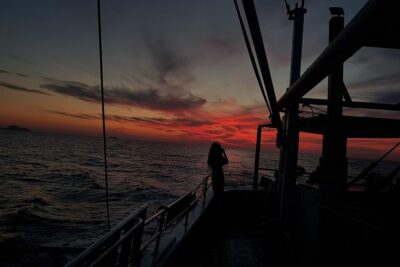
This experience is described as day, sunset, and night adventures, but the practical takeaway is simple: light and heat matter. If you’re sensitive to sun, try to choose a slot that fits your comfort level, because Singapore afternoons can feel punishing fast.
Tanjong Beach to Siloso: getting comfortable fast
The trip kicks off at 120 Tanjong Beach Walk. That’s helpful because you start already oriented on the Sentosa-side water, not far from where you’ll likely settle into a routine quickly.
From there, you’ll spend time around Sentosa Island, including a Sentosa Merlion stop and Siloso Beach. This early portion is a good place to build confidence: you’re learning how the pedal system feels, how the kayak tracks in the water, and what your body needs to do to stay steady while you cast.
The key benefit of starting here is that you get the instruction when you’re still fresh and not worn out. That means you’re more likely to pick up technique efficiently—especially important if you’re trying kayak fishing for the first time.
Possible drawback: if it’s already hot when you start, this part can feel like a lot of sun early. Wear what you can handle and keep your water intake steady.
East Coast and Lazarus Island: where the fishing energy picks up
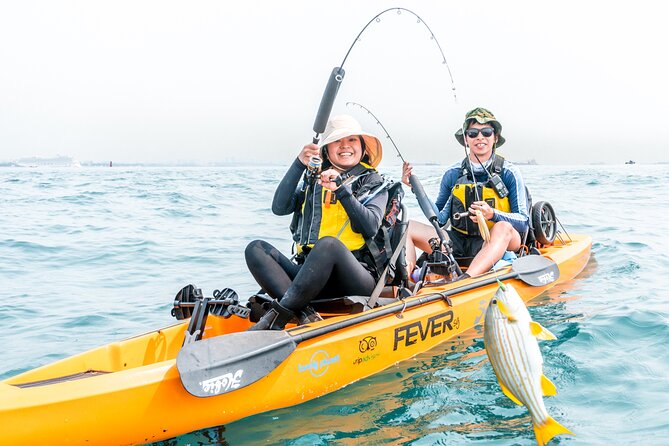
As the route pushes toward the East Coast and includes Lazarus Island, the water and the feeling of the trip often shift. This is the part that tends to feel more like “real fishing grounds” rather than sightseeing with gear on.
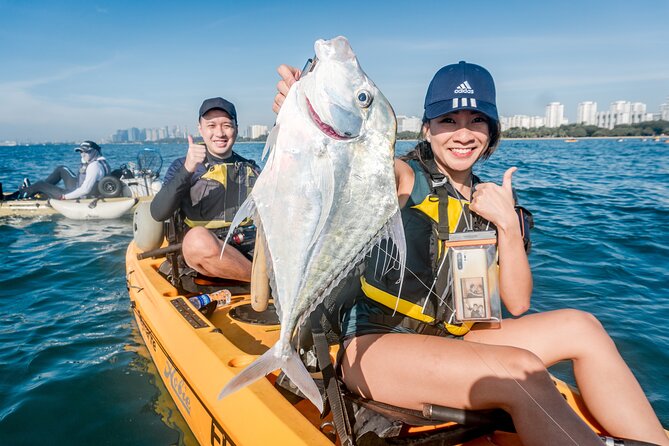
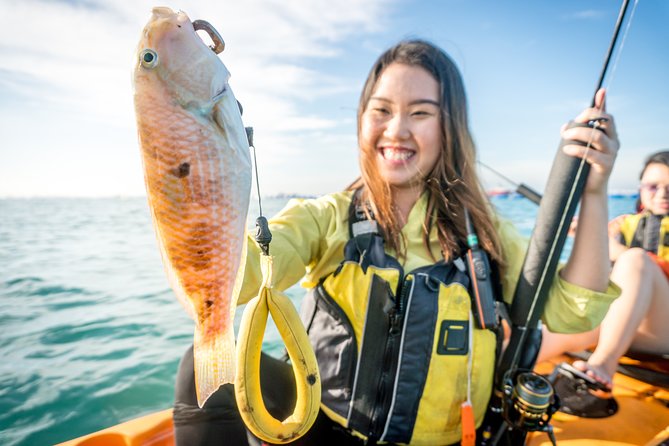
You’re chasing tropical species like snappers and groupers, and kayak fishing is all about staying in the right spot long enough for bites to happen. Because you’re on a pedal kayak, you can adjust your position more naturally than you could if you were only paddling.
If you’re bringing your expectations into line, you’ll enjoy this section more. Fishing doesn’t guarantee action every minute. The value is learning how to manage your line, maintain your position, and respond when something takes the bait.
One other reason I’d care about this segment: the trip is built around the idea that the nearby Southern Islands have richer reefs and unspoilt beaches. Even without getting too technical, that wording signals a focus on better fishing scenery, not just casual cruising.
Changi Beach to Bedok Jetty: calm cruising with real gear on
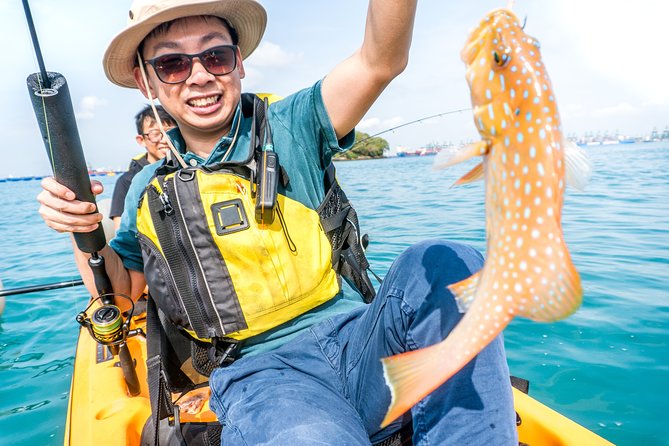
Next comes Changi Beach, then Bedok Jetty, and the route continues toward Changi Village and National Service Resort & Country Club.
This section matters because it shows you what kayak fishing feels like as the trip settles into a rhythm. Your hands may be busy—rod, line, tackle—while your legs keep you moving. That balance is the point of a pedal kayak fishing setup.
It can also be a great stretch for first-timers who need a mental pattern. You learn what to do in between casts, how to handle your line when the kayak shifts, and how to stay focused when you’re waiting for a bite.
Possible consideration: you’re out on open water with your equipment secured. If you’re prone to feeling unsteady in moving situations, give yourself time to adapt. Most people get comfortable quickly once they realize the kayak’s movement is controlled and predictable.
Pulau Ubin Nature and Kampong Walk: a break from pure fishing
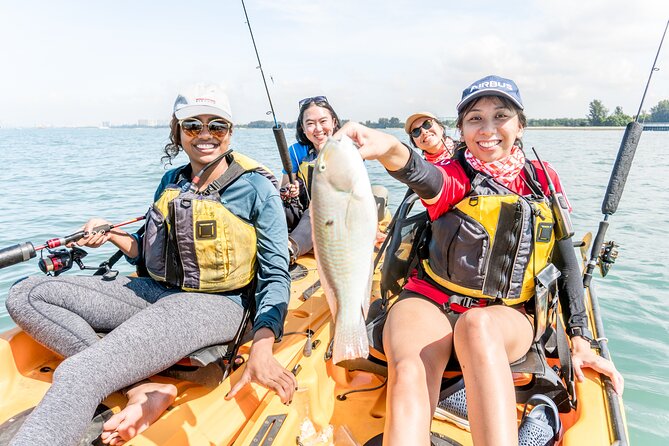
The route includes Pulau Ubin and Pulau Ubin Nature and Kampong Walk, which adds a land component to the trip. That’s a smart design choice for group comfort, because it breaks up the continuous time on the water.
Even if your main goal is fishing, a short walk and change of pace can make the overall outing feel more balanced. You’re not just repeating the same activity for hours; you get movement, fresh air, and a chance to reset.
Since the tour description emphasizes options for complete beginners and seasoned anglers, this kind of pacing helps different people enjoy the same day. It’s also a good spot for families or couples who want more than just fishing.
Returning through Sentosa and Palawan Beach
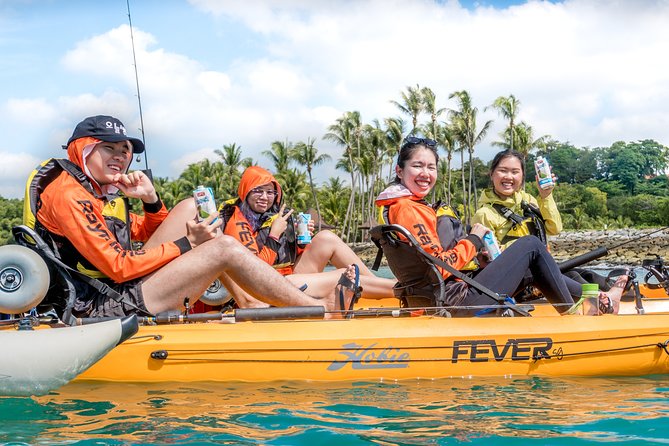
After the Pulau Ubin segment, you return toward Sentosa Island, including Palawan Beach, before ending back at the original meeting point.
This closing portion is often when you appreciate what you practiced earlier. If the first half helped you learn the mechanics—pedaling, casting, line handling—the back half lets you apply it with more confidence.
It’s also where you may notice that the trip’s “value” isn’t only in fish. It’s in the overall experience of being out with the gear, getting coached, and having a clear route with multiple scenic points rather than one long, repetitive stretch.
Gear and coaching: what you’re given and what you’ll learn
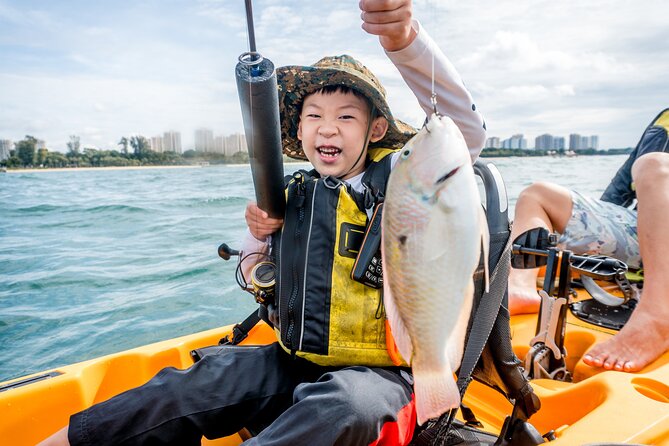
You don’t show up empty-handed. Included gear covers the essentials:
- Hobie fishing kayak with leg-powered Mirage Drive
- Fishing rod and reel
- Tackle brands mentioned: Penn and Shimano
- Fishing bait
- Life jacket (PFD)
- Bottled water
- VHF radio
- Photos of your kayak fishing trip
That’s the part you should pay attention to for value. Many “cheap” tours fail because you still have to rent gear or buy basics on the spot. Here, the practical items are included, and the instruction is built into the day.
The coaching style also comes through in the feedback—helpful guides who are patient and proactive. One review specifically thanked Aaron, calling out how helpful he was. That’s a good sign because kayak fishing is technical enough that you want someone who checks what you’re doing, not just someone who hands you a rod and leaves you to figure it out.
What happens when you cast
You’re being taught kayak fishing techniques, and you’ll be working to catch fish like snappers and groupers. On a pedal kayak, the aim is to keep your kayak stable enough to fish properly, not to sprint around nonstop. Once you understand how your kayak position affects your fishing, the whole trip feels more like skill-building instead of randomness.
And don’t ignore the included photos. When you’re focused on technique, it’s easy to forget to document the moment. Having the photos handled lets you concentrate on fishing without turning the day into a constant smartphone chore.
Price and value: is $120.41 worth it?
At $120.41 per person for about 4 hours, this pricing isn’t just about “renting a kayak.” You’re paying for a guided outing with specialized equipment, included tackle brands (Penn and Shimano are named), bait, safety gear, bottled water, and photos.
The small group limit—up to 12 people—also supports the value. Smaller groups usually translate to more attention while you’re learning how to pedal, cast, and manage your line.
Where this pricing feels especially fair is for beginners. If you’ve never fished this way, you’d normally spend time and money figuring out the basics: what to wear, how to hold a line, what gear works, how to position the kayak. Here, the tour provides the structure and equipment up front.
The only reason I’d hesitate is if you’re already experienced and want to fish in total silence with no coaching. This trip is built around teaching and activity, not solitude.
Practical tips: what to bring and how to survive the heat
You only have one explicit item to bring: a hat. But in the real world, you should also plan for sun, salt, and getting a little wet.
Here’s what I’d do before you arrive:
- Wear sun protection you can tolerate while moving
- Bring clothing you’re okay with getting damp
- Keep an eye on hydration, especially if you’re doing the Sentosa daytime portion in strong sun
One review notes the heat and hints at doing the trip earlier. The takeaway is straightforward: if you’re heat-sensitive, choose the time that feels manageable, not the one that sounds fun on paper.
Also, expect active movement. Even though your legs power the kayak, you still need to stay engaged—balancing, casting, and keeping your line under control.
Who should book this kayak fishing trip (and who might not)
This experience fits best if you want:
- A guided kayak fishing outing in Singapore’s waters
- A hands-on chance to learn technique
- A day that’s active and also mentally relaxing, because you’re outside and moving at your pace
It’s also listed as suitable for family groups, couples, and friends. If you’re going with mixed experience levels, the setup makes sense because beginners can learn fundamentals, while more experienced anglers can still use the included tackle and the guided route.
You might think twice if:
- You hate getting sunburnt and don’t handle heat well
- You want a purely passive activity (this is active by design)
- You’re fishing only for guaranteed action, since weather and conditions affect outcomes
Should you book? My take
Yes, you should book this if you want a real fishing lesson that also feels like an outdoor escape from the city. The pedal-powered Hobie kayak, included tackle and bait, and the coaching approach make it a strong first-time option. I also like that you get photos, because this kind of day is hard to document while you’re concentrating.
Book it with one mindset: it’s weather-dependent and the sun can be serious. If you plan clothing and timing with that in mind, you’ll get a smoother day on the water and more time enjoying the route—Sentosa, East Coast, island-hop segments, and the Pulau Ubin walk.
FAQ
How long is the kayak fishing experience?
It lasts about 4 hours.
Where does the tour start?
The meeting point is 120 Tanjong Beach Walk, Singapore 098942, and the activity ends back at the same location.
What’s included in the price?
You get a Hobie fishing kayak with leg-powered Mirage Drive, a fishing rod and reel, bait, a life jacket (PFD), bottled water, a VHF radio, and photos of your trip. Tackle brands Penn and Shimano are mentioned.
What do I need to bring?
The tour notes that you should bring your hat.
Is this tour suitable for beginners?
Yes. The experience is designed for both complete beginners and seasoned fisherman, with instruction provided.
How many people are on the tour?
The maximum group size is 12 travelers.
What happens if the weather is poor?
The experience requires good weather. If it’s canceled due to poor weather, you’ll be offered a different date or a full refund.