REVIEW · STELLENBOSCH
Fly Fishing in Cape Town for Five Hours
Book on Viator →Operated by Kyle Noyes-Smith · Bookable on Viator
Trout and saltwater predators in one morning.
This five-hour fly-fishing trip near Cape Town is a great mix of technique and scenery, with Cape streams for wild trout (or estuary flats for leer/garrick) and a guide who keeps the day organized and fun. I like the fact that your catch is released back into the water, plus the guide documents the action with lots of pictures and videos when fish are landed. One thing to plan for: wading boots cost extra (listed at $35).
Kyle Noyes-Smith runs the experience for small groups (max 8), starting at Du Kloof Lodge on the N1 near Dutoits Kloof Pass at 8:00 am. You’ll fish with included rod and gear, flies, and tackle, and you get a light lunch and local snacks, too—so you’re not just out there burning energy with no recovery plan.
In This Review
- Key things that make this 5-hour fly-fishing outing special
- Where you start: Du Kloof Lodge and how the day runs
- Freshwater Cape Streams: wild trout on light tackle dry flies
- What you’re targeting
- How the fishing actually feels
- The local scenery factor
- Saltwater estuary fishing: leer and garrick on foot or by boat
- What you’re targeting
- How you fish: boat or waders
- What to know about wading boots
- Why this option is worth it
- The 5-hour reality: how to pace yourself
- Included gear: what you get (and what you might still want)
- What to bring anyway
- Moderate physical fitness
- Lunch and local snacks: a real break, not just a sandwich
- Small group size and guide attention: why max 8 matters
- Price and value: is $250 for five hours fair?
- Freshwater vs saltwater: which one fits your style?
- Choose freshwater if you want:
- Choose saltwater if you want:
- Who should book this (and who might skip it)
- Should you book this 5-hour fly fishing near Cape Town?
- FAQ
- How long is the fly fishing experience?
- Where does the tour start and end?
- Is the fishing freshwater, saltwater, or both?
- What’s included in the price?
- Are wading boots included?
- What happens if weather is poor?
Key things that make this 5-hour fly-fishing outing special
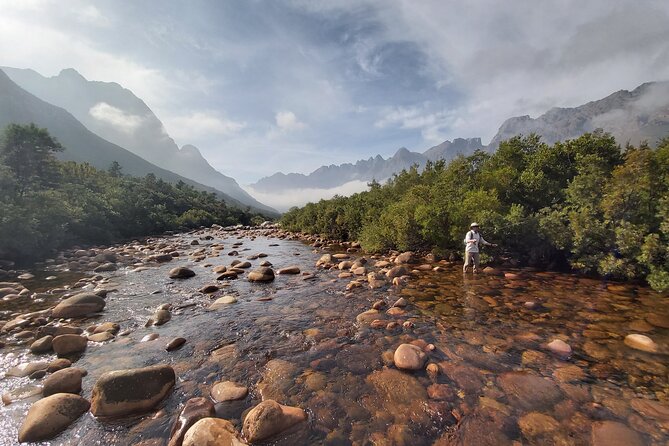
- Two real fishing styles: freshwater trout sight-fishing or saltwater estuary fly fishing
- Small-group feel (up to 8) with guide attention instead of a cattle-call vibe
- Catch-and-release with pictures and videos when you connect with a fish
- Wild trout in clear Cape streams (rainbow and brown trout)
- Predatory estuary fishing targeting leer and garrick from boat or with waders
- Du Kloof Lodge start point that keeps the timing tight and simple
Where you start: Du Kloof Lodge and how the day runs
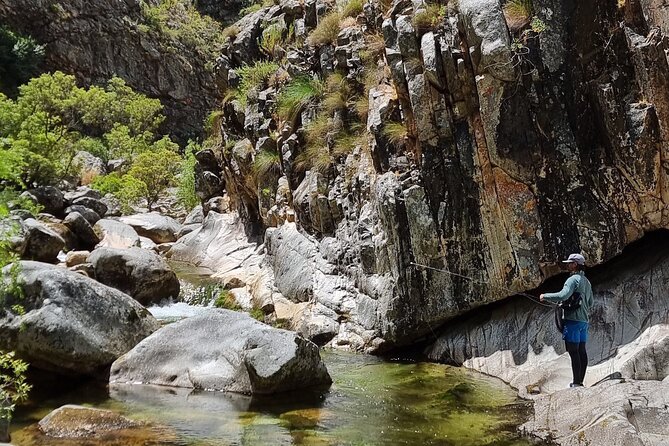
The day starts at Du Kloof Lodge at the N1 Highway and Dutoits Kloof Pass area in Paarl. The meeting point matters more than you might think, because a five-hour trip lives and dies by timing. You begin at 8:00 am, and you end back at the same meeting point.
This is also the kind of trip where having a guide means you’re not hunting around for the best water, the right access, and the right local call on conditions. If you’ve done fly fishing before, you’ll still appreciate the structure—especially around reading water and placing your fly where trout or bait-hunting predators actually feed.
Kyle Noyes-Smith is the named provider, and the vibe from past guests is that he makes planning easy, then runs the session smoothly once you’re there. One visitor coming from Colorado said the big time-zone gap didn’t slow anything down: booking and prep felt straightforward. That same calm, organized approach is a big part of the value here.
Freshwater Cape Streams: wild trout on light tackle dry flies
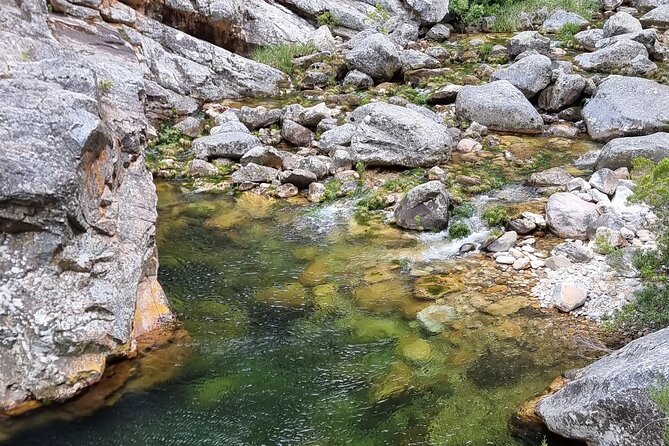
If you choose the freshwater option, you’re headed for Cape Streams in the Worcester and Paarl mountain area. This is trout water with clear flow—described as crystal-clear—and that clarity changes everything. When you can see the water well, you can sight-fish more effectively, and you’re not just guessing where the trout are hiding.
What you’re targeting
You’ll be targeting Rainbow and Brown Trout. These are wild fish, and the method is built around light tackle and sight-fishing—mostly using dry flies. That dry-fly approach is a thrill because it puts you in the moment when a fish moves up and commits.
How the fishing actually feels
Light tackle plus sight-fishing means the day rewards patience. You’ll spend time locating rises, watching current lines, and getting your cast to land where the trout are looking. If you like the more careful side of fly fishing—quiet approach, accurate casting, and that moment when a fish finally decides—it’s a strong match.
And then there’s the emotional side: catch-and-release. You release the fish back into the stream. It can feel humbling because it’s not about bagging fish; it’s about sharing the water for a short window and letting the river keep doing its job.
The local scenery factor
The stream environment is described as stunningly picturesque, with fishing around the Worcester/Paarl mountains. Even if you’re laser-focused on casting (you will be), the setting is part of the experience. Mountains + clear water + wild trout is a winning combo.
Saltwater estuary fishing: leer and garrick on foot or by boat
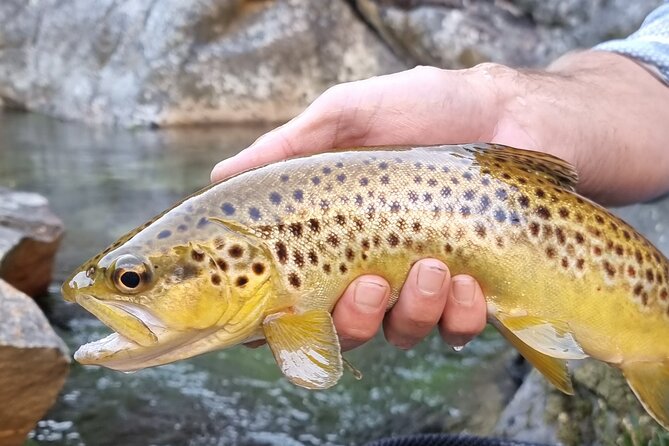
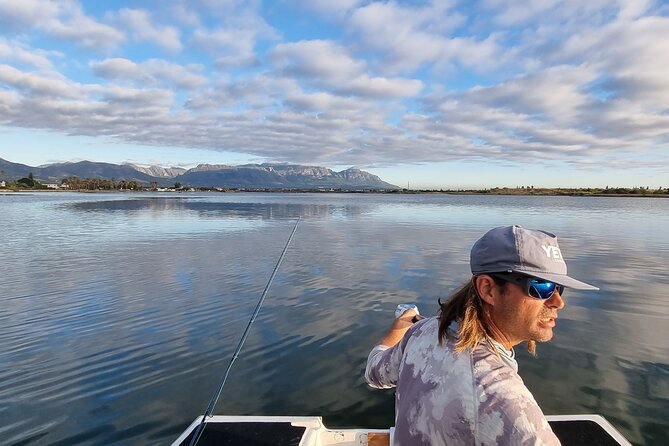
The saltwater version targets big predatory fish that hunt baitfish in the estuary area near Cape Town. This is fly fishing aimed at motion: bait gets pushed, predators track it, and the fly has to look right in that specific feeding window.
What you’re targeting
The main targets are leer and garrick. The tour description calls them large predatory fish, and the idea is simple: they hunt smaller bait fish, and your fly fishing is set up to match that behavior.
How you fish: boat or waders
Depending on the conditions, you’ll fly fish either from a small boat or from shore while wearing waders. Because the exact setup can vary, it’s smart to think of this as a flexible flats-style day: you might walk, you might move to better water, and you’ll likely follow where the fish activity is strongest.
What to know about wading boots
Wading gear basics matter here. The tour does list wading boots as not included, with an extra cost of $35. That means you should either plan to buy/rent those boots through the operator (if offered that way) or have your own. If you don’t have boots, don’t assume you can make it work with normal shoes—estuary wading can be tricky and wet.
Why this option is worth it
If freshwater trout feels like precision on clear water, saltwater here feels more like opportunistic sport. When a predator turns up, it’s fast. The estuary approach often demands quick decisions: where to cast, how to place the fly, and when to keep it simple and let the presentation work.
The 5-hour reality: how to pace yourself
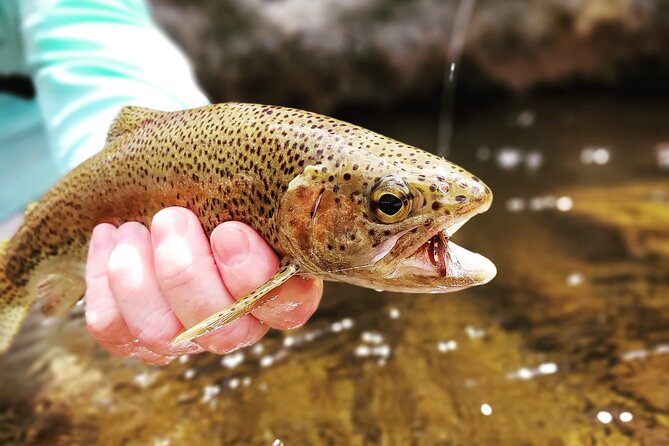
This is a short outing by design. Five hours is enough time to actually fish, feel productive, and still have enough energy to enjoy the scenery and conversation without dragging into a full-day grind.
Here’s what you should expect, regardless of freshwater or saltwater:
- You spend the bulk of your time actively fishing rather than sitting around.
- You’ll get a break for light lunch and river snacks (described as including locally sourced foods unique to South Africa).
- You end where you started, back at Du Kloof Lodge.
A five-hour structure also means you’ll want to come in ready: decent sleep the night before, hydrated from the start, and mentally prepared to focus for short bursts. This is not the time to wander off with a camera while the guide is trying to read water.
Included gear: what you get (and what you might still want)
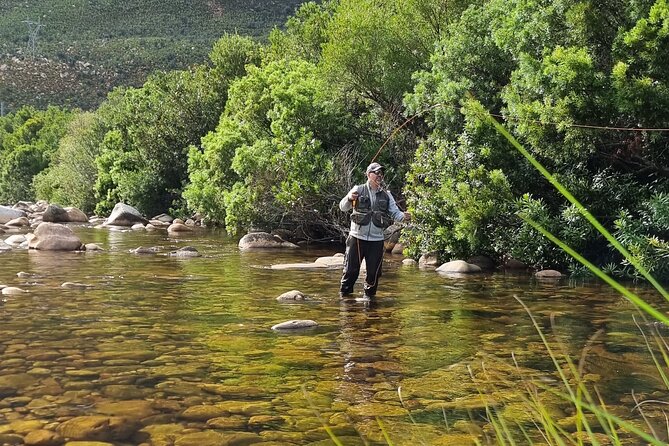
The tour includes rod and tackle, flies and gear. That’s a big deal for value. Many guided fishing trips either rent gear at the last minute or require you to bring your own setup. Here, you’re covered for the core equipment, which lowers friction and makes it easier to travel light.
What to bring anyway
Even though gear is included, you should still plan for your own comfort items. The tour doesn’t list personal clothing items, but based on the type of fishing, you’ll want to be ready for a morning that can involve sun and being outside for extended stretches. For saltwater, plan for wading conditions and the potential extra cost/step for boots.
Moderate physical fitness
The experience calls for moderate physical fitness. That doesn’t mean you need to be an athlete, but you should expect some walking, standing, and movement—especially for the saltwater option if waders and active fishing are involved.
Lunch and local snacks: a real break, not just a sandwich
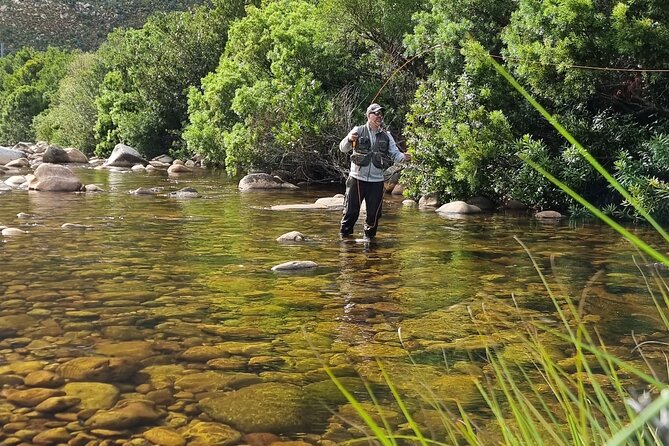
I like that the trip includes light lunch and local snacks. When you’re fly fishing, energy dips fast. You’re concentrating, moving your arms, standing, and sometimes dealing with wind or glare. Having food included keeps the session going strong.
The description specifically notes locally sourced foods unique to South Africa. I’d treat this as part of the experience, not an add-on. It gives you a pause where you can compare notes with Kyle, ask questions about technique, and reset before the next stretch of water.
Small group size and guide attention: why max 8 matters
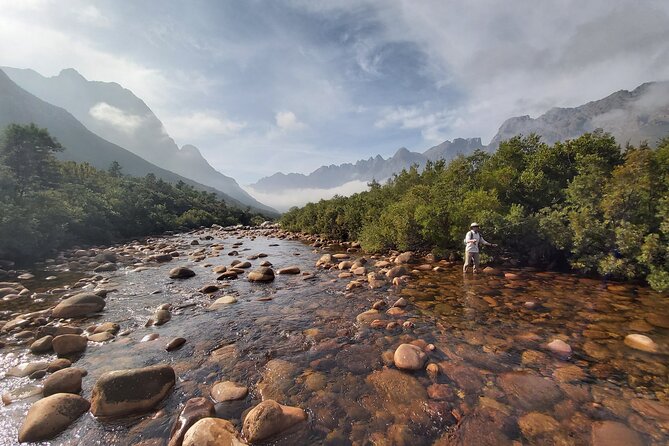
This trip caps at 8 travelers, which changes the whole feel. On smaller trips, the guide can adjust casting guidance faster, help you tweak fly choice, and respond to what you’re seeing on the water.
Kyle Noyes-Smith is the named guide/provider, and guests have praised his ability to make booking and preparation easy. One saltwater guest also said Kyle arranged transportation to and from their hotel in Cape Town, plus brought snacks and water, and provided included gear. While the trip description doesn’t list private transportation as included, that kind of practical help shows up in real ways during the day.
In plain terms: you want a guide who pays attention, and you want that attention without a crowd getting in the way.
Price and value: is $250 for five hours fair?
At $250 per person for about five hours, this is not a budget add-on. But it also isn’t just someone handing you a rod and pointing at water. You’re paying for:
- A guide (Kyle Noyes-Smith) who knows local fishing conditions
- Equipment and flies provided, reducing travel hassle
- Small-group time (max 8)
- Food included (light lunch and local snacks)
- Catch-and-release handling plus pictures and videos when you catch fish
So the value comes from all the pieces working together. If you’re already an experienced fly fisher with your own gear and you’re comfortable finding your own water, you might not feel as much of the benefit. But if you’re visiting Cape Town and want a high-quality, low-stress fishing session with local know-how, the price starts to make sense fast.
The one extra cost to notice is wading boots ($35). Factor that in if you’re doing saltwater.
Freshwater vs saltwater: which one fits your style?
You get to choose between two distinct experiences, and picking the right one is mostly about how you like fishing.
Choose freshwater if you want:
- Clear water sight-fishing
- Dry fly action on rainbow and brown trout
- A quieter, more patient casting rhythm
- A catch-and-release day that feels tied to the river
Choose saltwater if you want:
- Fly fishing for predatory leer and garrick
- A more active, opportunistic day in the estuary
- Casting from a small boat or with waders
- A bigger-game feeling, depending on conditions
Either way, your catch is released, and the guide’s documentation helps you remember it clearly.
Who should book this (and who might skip it)
This experience is a strong fit if you:
- Want a guided fly-fishing day around Cape Town without spending hours planning access
- Like the fly-fishing details: presentation, sight-fishing, and technique
- Enjoy small-group outdoor days (max 8)
- Are okay with moderate physical activity
You might consider skipping if:
- You’re looking for a gentle, zero-movement nature walk. This is fishing, so you’ll be active.
- You don’t want any extra costs for saltwater wading gear like boots.
- Weather is a concern in your schedule, since the trip requires good weather and may be moved or refunded if it’s canceled due to poor conditions.
Should you book this 5-hour fly fishing near Cape Town?
Yes, if you want a real guided fly-fishing session with local technique in wild water—either trout in the Cape Streams or predators in the estuary. The mix of included gear, small-group limits, and food makes it practical, not just romantic.
My biggest advice: decide which fish style you want—dry-fly trout for the precision crowd, or leer/garrick estuary for the predator hunters. Then plan for boots if you’re choosing saltwater, and show up ready to focus for five concentrated hours. This is exactly the kind of trip that rewards paying attention, not just getting lucky.
FAQ
How long is the fly fishing experience?
It runs for about 5 hours.
Where does the tour start and end?
The meeting point is Du Kloof Lodge (N1 Hwy & Dutoits Kloof Pass, Paarl), and the activity ends back at the same meeting point.
Is the fishing freshwater, saltwater, or both?
The experience is offered as two separate experiences: freshwater river fishing for rainbow and brown trout, or saltwater estuary fishing targeting leer/garrick.
What’s included in the price?
The price includes rod and tackle, flies and gear, plus light lunch and local snacks.
Are wading boots included?
No. Wading boots are not included and are listed as $35.
What happens if weather is poor?
The experience requires good weather. If it’s canceled due to poor weather, you’ll be offered a different date or a full refund.