REVIEW · EL PAREDON
El Paredón: Mangrove Boat Tour with Optional Fishing
Book on GetYourGuide →Operated by Guatemala Travel Guide · Bookable on GetYourGuide
A good morning or late afternoon in mangroves changes your pace fast. I love that you don’t just float past trees—you get a guided boat ride through Guatemala’s third-largest mangrove ecosystem in El Paredón, and your guide makes it make sense with stories and wildlife spotting. I also like the hands-on moment where you plant your own mangrove for real conservation impact. One drawback to plan around: it’s not suitable for pregnant women or anyone with mobility impairments, since you’ll be on a boat and moving around as needed.
You’ll depart at either 8:00 AM or 4:00 PM for about 90 minutes. The experience is run as a private group with a Spanish-speaking guide, so if your Spanish is basic, you can still manage with clear communication and simple Spanish. I found that the best part is the mix of nature, community knowledge, and small, practical moments that feel authentic—not like a rushed photo stop.
In This Review
- Key points I’d keep in your pocket
- El Paredón’s mangroves: why this ecosystem matters
- The 90-minute boat ride: choosing 8:00 AM vs 4:00 PM
- Your guide’s stories make the birds (and crabs) easier to spot
- Planting your own mangrove: the hands-on moment
- Optional fishing in El Paredón: included, traditional, and seasonal
- Price and value: is $55 actually a fair deal?
- Logistics that actually matter: timing, pickup, and the private feel
- What to bring for a comfy mangrove tour (and fewer regrets)
- Who this tour fits best (and who should skip it)
- Should you book the El Paredón mangrove boat tour?
- FAQ
- Where is the El Paredón mangrove boat tour located?
- How long is the tour?
- What time does the tour depart?
- Is the fishing experience included or extra?
- When is the best time for fishing?
- What language is the guide?
- Is this a private group tour?
- What should I bring?
- How will I know the pick-up point?
- Is the tour suitable for pregnant women or people with mobility impairments?
Key points I’d keep in your pocket
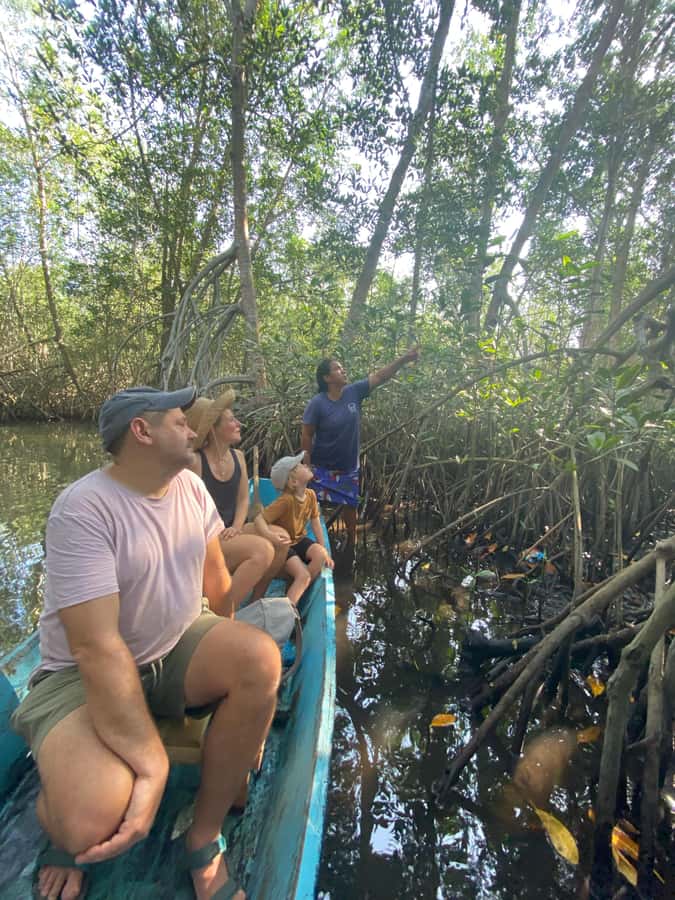
- Plant a mangrove yourself and contribute directly to conservation efforts
- Boat into the actual mangrove channels where wildlife becomes the focus
- Spot birds, fish, and even crabs as the guide points out what to watch for
- Learn local stories, including references to Maya people and the area’s history
- Optional fishing is included at no extra cost, with traditional techniques
- Best fishing season is Jan–Apr, during the dry season when conditions are ideal
El Paredón’s mangroves: why this ecosystem matters
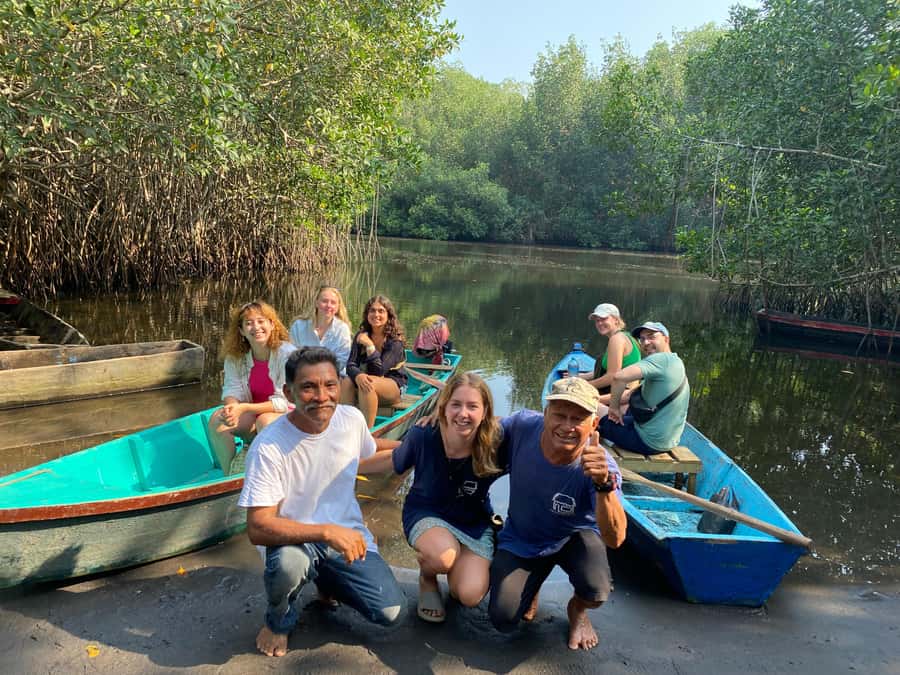
El Paredón sits in Guatemala’s Escuintla Department, and the area’s mangroves are a big deal ecologically. This tour takes you through the third-largest mangrove ecosystem in Guatemala, which means you’re seeing a habitat that supports lots of life—birds, fish, crustaceans, and the plant communities that protect the shoreline.
Mangroves aren’t just “pretty trees in water.” They’re living nurseries and shelter systems. That’s why a good guide’s commentary matters. When the guide ties the vegetation to the animals you’re seeing, the trip stops being just sightseeing and turns into understanding. In my notes, the most memorable “ah, that’s why” moments were when the guide explained how the mangrove environment supports wildlife and how the local community connects to these waters.
You’re also not far from a broader cultural layer. One guide shared stories that included the Maya people, which adds context to why people here respect the ecosystem, and how fishing and shoreline life have long been part of the local rhythm.
The 90-minute boat ride: choosing 8:00 AM vs 4:00 PM
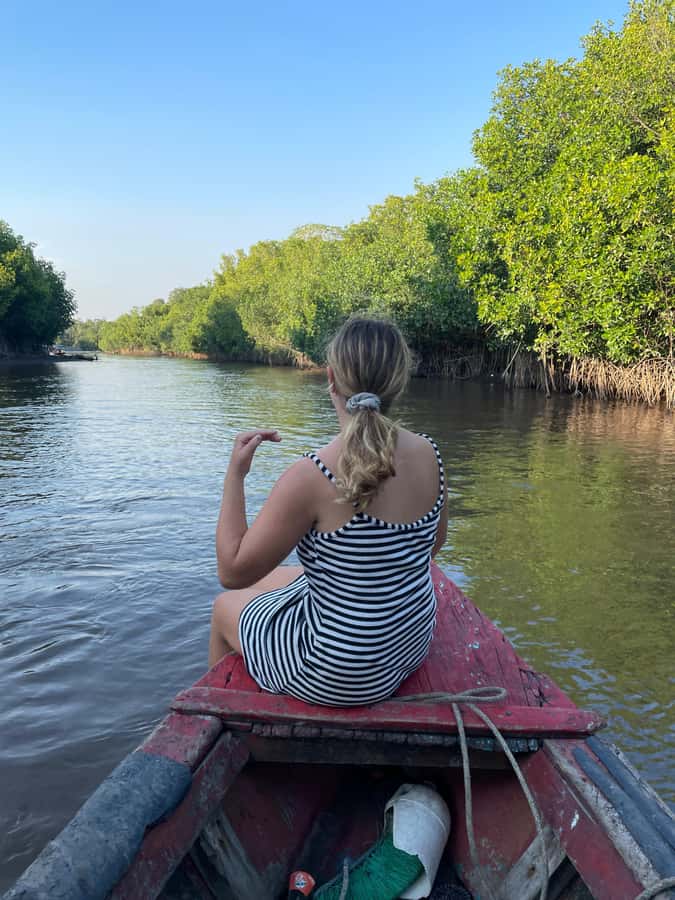
This tour lasts about 1.5 hours, so it’s long enough to get inside the mangroves but short enough to fit neatly into a day of exploring El Paredón. You have two departure options: 8:00 AM and 4:00 PM.
Pick the morning if you want a calmer start and better odds of seeing wildlife in a less heated window. Pick the late afternoon if you prefer softer light for photos and a gentler feel after a day in town. Either way, you’ll be on the water, learning as you go—your guide keeps the pace steady, with time to look closely instead of racing to the next stop.
Because it’s a private group, you’re not stuck with random schedules or loud chaos. The vibe tends to be focused: the guide talks, you look, you listen, and then you see what they’ve been describing. That structure is a big part of why the trip feels worthwhile even though it’s only 90 minutes.
Your guide’s stories make the birds (and crabs) easier to spot
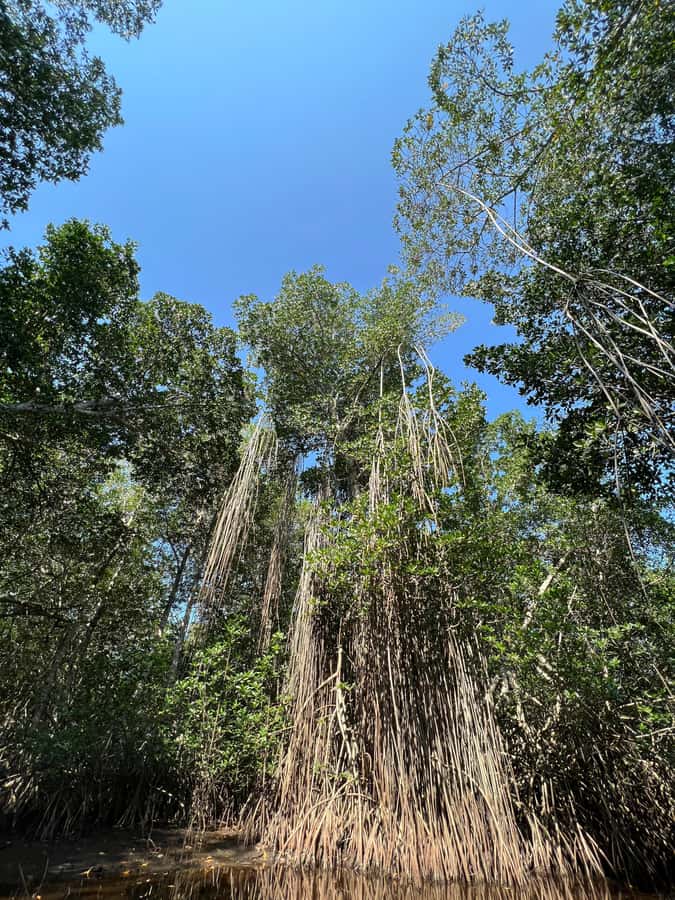
The tour runs with a Spanish-speaking guide. The good news: you don’t need advanced Spanish to have a great time. In one case, I saw how a guide used basic Spanish effectively, plus clear explanations, so the language barrier didn’t ruin the experience.
What you’re watching for is part science lesson, part “wait, look there.” You’ll learn about local wildlife and vegetation as you move through the mangroves. Expect to see birds and fish, and—depending on conditions—crabs can be a standout. One highlight from a past group experience was actually being surrounded by colorful crabs once the boat moved far enough into the mangrove area. That’s the key: it’s not just floating on open water. You should feel like you’re entering the habitat.
I also like how guides connect what you see to local history and ecosystem roles. Adelso—welcoming with his wife and a welcome drink—set a friendly tone right away for at least one group I talked through. When that first warm start happens, the later learning feels more human and less like a lecture.
Practical note: if you want to maximize wildlife spotting, bring your attention. Mangroves reward slow watching. Quick glances usually miss what the guide points out.
Planting your own mangrove: the hands-on moment
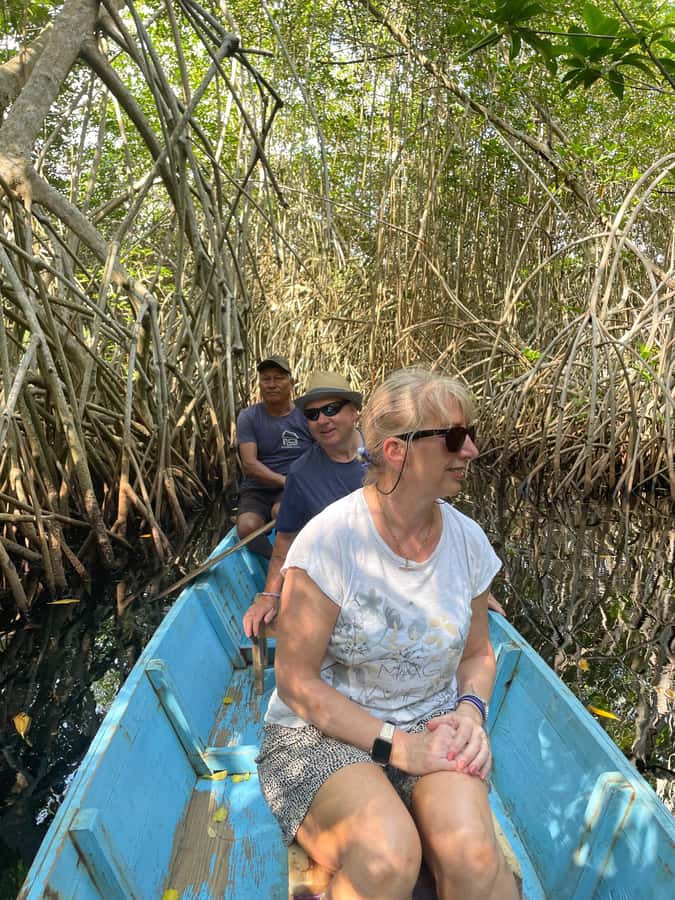
One of the strongest reasons to book is the chance to plant your own mangrove. You’re not only learning about conservation; you’re participating in it during the tour. That changes the feeling of the experience. It moves from passive to active—something you can carry with you later when you think about the trip.
What this moment tends to do well is create meaning. You’re paying for a boat ride, yes—but you’re also paying for a practical conservation action tied to mangrove recovery and protection. It’s the kind of activity that makes the trip feel responsible, not just recreational.
Because the planting is included as part of the experience, you won’t need to hunt for a separate add-on or pay extra for the “impact” part. Just bring what you need to be comfortable in the sun, and follow the guide’s directions so you can help effectively.
Optional fishing in El Paredón: included, traditional, and seasonal
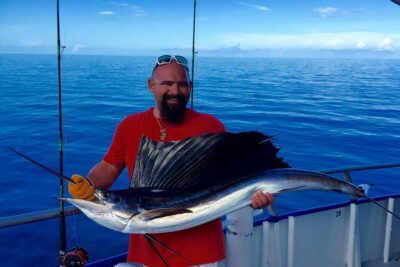
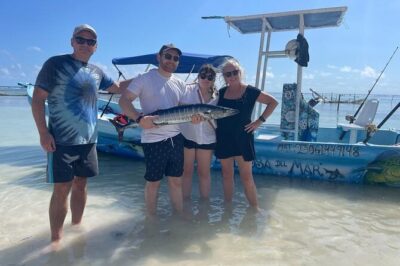
Fishing is optional, and it’s included with the tour at no extra cost. If you want to try it, the guide will teach traditional fishing techniques used by the local community.
Here’s how to plan realistically: the tour notes that the best fishing season is January to April, during the dry season when conditions are ideal. That matters because fishing success depends on water and timing. If you go outside that window, the fishing part may still be interesting for learning and technique—but don’t treat it like a guaranteed catch situation.
Even when fishing isn’t the main highlight, the value is the process. You’ll learn how people here approach the water and why certain methods make sense in this environment. That’s the part that feels authentic: you’re not doing a tourist “try-one-time” stunt; you’re learning local technique as part of the ecosystem story.
If you’re a total beginner, this is a friendly way to try. If you’re experienced, you might still enjoy the local approach and the chance to compare how technique looks in mangrove waters.
Price and value: is $55 actually a fair deal?
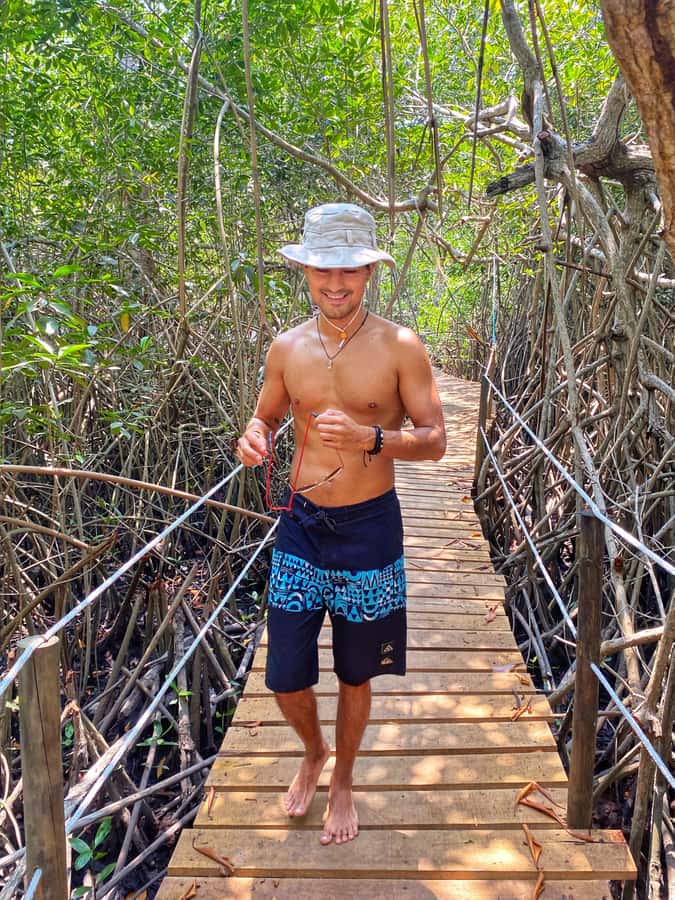
At $55 per person, this tour can be a great value if you care about more than a quick boat photo. That price covers a guided mangrove boat tour, the opportunity to plant a mangrove, and the optional local fishing experience with traditional techniques.
Also, it’s a private group. Private doesn’t always mean “fancy,” but it usually means more attention from the guide and fewer compromises. And since the guide gives explanations in Spanish, having a more controlled group size helps communication and keeps the tour from feeling like a slideshow.
The value equation changes depending on what you’re comparing it to:
- If you only want a basic boat ride, you might find cheaper options.
- If you want nature plus conservation plus community knowledge, this is priced like a complete experience, not just transport.
For me, the deciding factor would be the combination of conservation planting and the ecosystem-focused guidance. If that’s what you want, $55 doesn’t feel out of place for 90 minutes of guided action.
Logistics that actually matter: timing, pickup, and the private feel
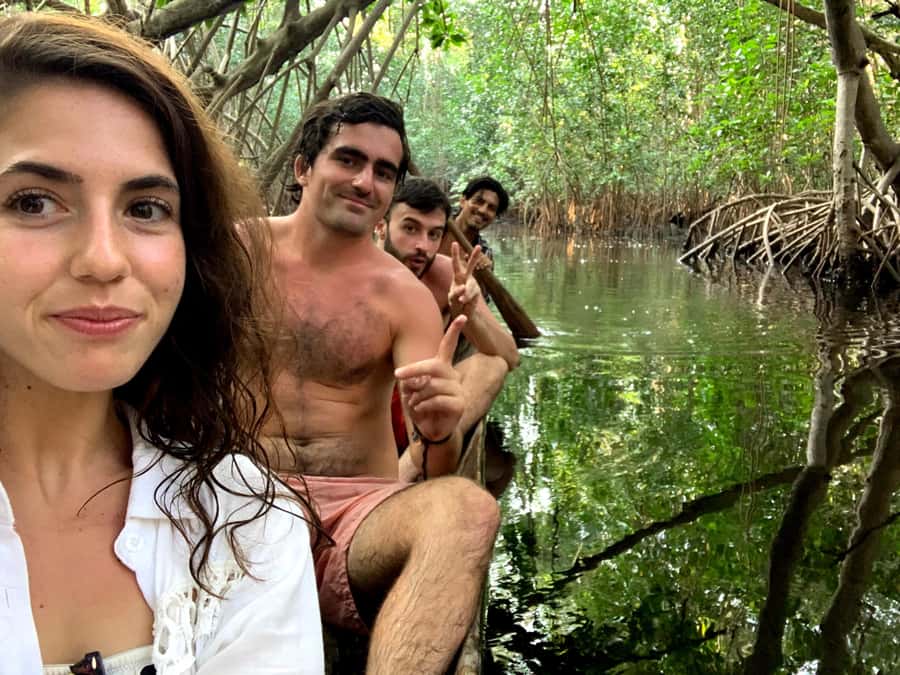
Tours depart at 8:00 AM or 4:00 PM, and the tour lasts 1.5 hours. You’ll also get a pick-up point sent to your WhatsApp. That’s convenient if you’re staying in town and want things to feel organized without a lot of back-and-forth.
One detail worth knowing: the meeting point tends to be close to hotels in El Paredón and is usually easy to find. That reduces the “where do I stand?” stress that can ruin the start of a tour.
Because it’s a private group, you’re not dealing with a mixed schedule of strangers. The guide can pace the explanations and adjust attention to what your group is most interested in, like birds, fish, or the mangrove plant life.
Not everyone should book, though. The tour isn’t suitable for pregnant women or people with mobility impairments. If you’re unsure, consider that boat movement and the time on-site can require more mobility than a walking-only activity.
What to bring for a comfy mangrove tour (and fewer regrets)
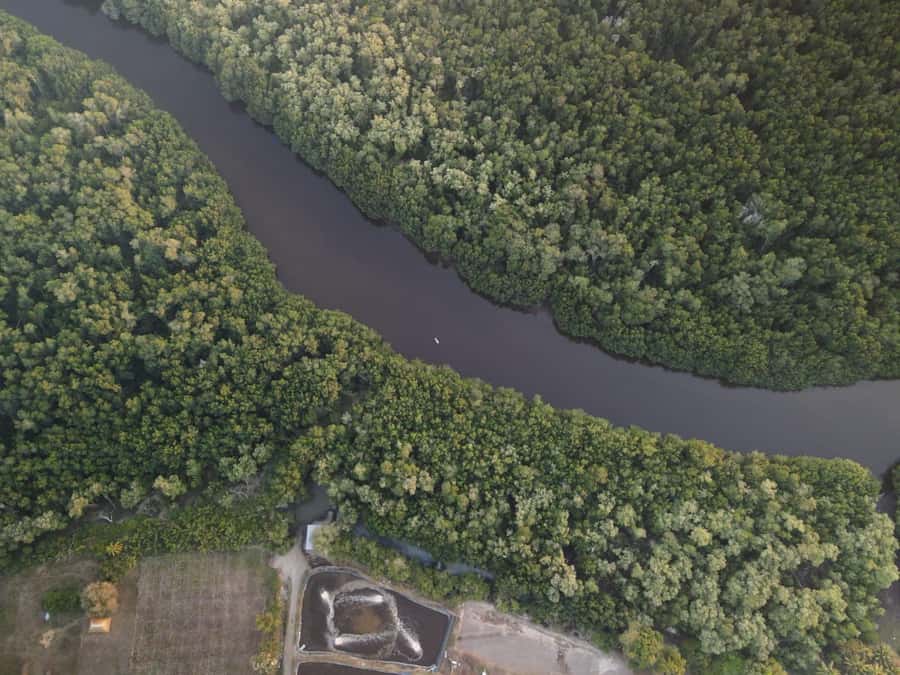
For a trip like this, you’ll be glad you packed smart. Bring:
- Comfortable shoes
- Sun hat
- Camera
- Water
- Biodegradable sunscreen
- Insect repellent
I’d treat this as a practical checklist, not a suggestion. Mangroves means sun and insects can both show up, and you’ll want water available for the whole 90 minutes. Biodegradable sunscreen is a nice touch for an environmental tour, and insect repellent helps you keep your attention on wildlife instead of scratching.
If you’re the type who likes photos, the light at 8 AM and 4 PM can be great for quick shots, but you’ll still want your hat and a way to keep cool.
Who this tour fits best (and who should skip it)
This is ideal if you like:
- Short, guided activities with a clear purpose
- Wildlife spotting with help from a real guide
- Learning about how ecosystems work through real observations
- A hands-on conservation action like planting a mangrove
- Trying optional traditional fishing techniques
It’s also a good fit if you’re traveling with a group that wants a calmer, private experience instead of a big public tour.
Skip it if:
- You’re pregnant
- You have mobility impairments that make boat movement difficult
And if you hate being on the water for any reason, it’s worth reconsidering. The trip is short, but it is still a boat tour.
Should you book the El Paredón mangrove boat tour?
If you want a real mangrove experience in about 90 minutes—with guided wildlife spotting, a story-led look at the area (including references to Maya people), and the standout chance to plant your own mangrove—then yes, I think you should book.
This is especially worth it if your travel style is hands-on learning and local context over just sitting and snapping photos. The optional fishing adds extra fun when it’s the right season (Jan–Apr), but even if you skip fishing, the core mangrove ride plus the conservation planting already give the tour its personality.
If you’re limited on mobility or are traveling during a time you can’t comfortably be on the boat, then it’s not the best choice. Otherwise, it’s a strong, value-packed way to see El Paredón’s mangroves up close.
FAQ
Where is the El Paredón mangrove boat tour located?
It takes place in El Paredón, in the Escuintla Department of Guatemala.
How long is the tour?
The tour lasts 90 minutes (about 1.5 hours).
What time does the tour depart?
Departures are at 8:00 AM and 4:00 PM.
Is the fishing experience included or extra?
The fishing experience is optional and included with the tour at no additional cost.
When is the best time for fishing?
The best fishing season is January to April, during the dry season.
What language is the guide?
The live tour guide speaks Spanish.
Is this a private group tour?
Yes, it runs as a private group.
What should I bring?
Bring comfortable shoes, a sun hat, camera, water, biodegradable sunscreen, and insect repellent.
How will I know the pick-up point?
The operator sends the pick-up point to your WhatsApp.
Is the tour suitable for pregnant women or people with mobility impairments?
No. The tour is not suitable for pregnant women or people with mobility impairments.