REVIEW · TOKYO
Boat Fishing Activity in Central Tokyo
Book on Viator →Operated by Amazing Tokyo Fishing Tour · Bookable on Viator
Tokyo Bay fishing turns breakfast into a sport. This is a rare, central Tokyo experience where your catch can be eaten raw, plus you get a proper on-the-water lesson instead of a vague demo.
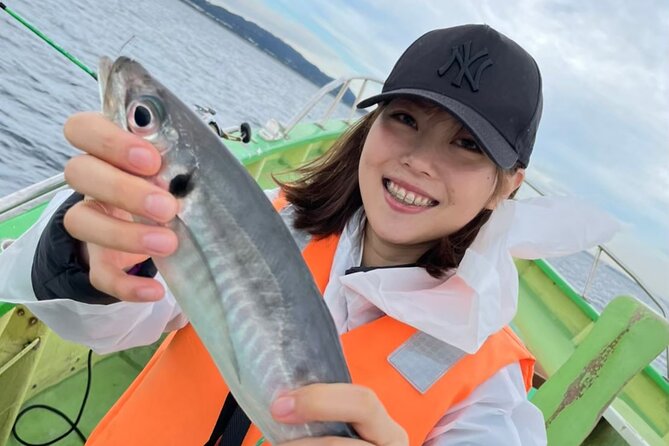
What I like most is the English coaching that makes it feel doable even if you have never held a rod. I also love that the target fish is horse mackerel, a common, tasty species that’s great for sashimi and other Japanese styles—so the morning can turn into a real food story, not just a photo op.
One consideration: the day runs early, and your basic package may not include tackle or private door-to-door transport. If you want the full setup, plan for the 20,000 yen add-on (tackle plus hotel-area transport) and be ready to bring your own snacks and drinks.
In This Review
- Key things to know before you book
- Why this boat fishing trip feels different from a typical Tokyo activity
- Timing in the real world: early pickup, morning fishing, Ginza finish
- Catching horse mackerel in Tokyo Bay: what you’re really aiming for
- The raw-eating part: fun, but follow the guide’s lead
- The English lesson: what you gain when instruction is built in
- It’s easy, but not effortless: how to show up well
- Gear and transportation: decide based on what you want included
- What the boat time feels like (and why the group size matters)
- Weather and safety: what to expect when Tokyo changes its mind
- Food prep reality check: bring your own snacks and plan for the vending machines
- Who this tour is best for (and who might skip it)
- A practical checklist before you go
- Should you book this Tokyo Bay boat fishing experience?
- FAQ
- Is the guide instruction in English?
- What fish will I be targeting?
- Can I eat the fish raw?
- Does the price include fishing tackle?
- Is hotel pickup available?
- What should I bring since snacks aren’t included?
- What happens if it rains?
Key things to know before you book
- 20,000 yen add-on can include tackle and transportation to and from your hotel
- English guide instruction helps first-timers, including kids, fish with confidence
- Tokyo Bay horse mackerel are a spring-to-autumn favorite for shore and boat anglers
- You can eat the fish raw when your guide prepares you for what to do
- Small group size (up to 5) keeps it friendly and competitive
- Rain-friendly plan includes basic ponchos, and the tour generally proceeds
Why this boat fishing trip feels different from a typical Tokyo activity
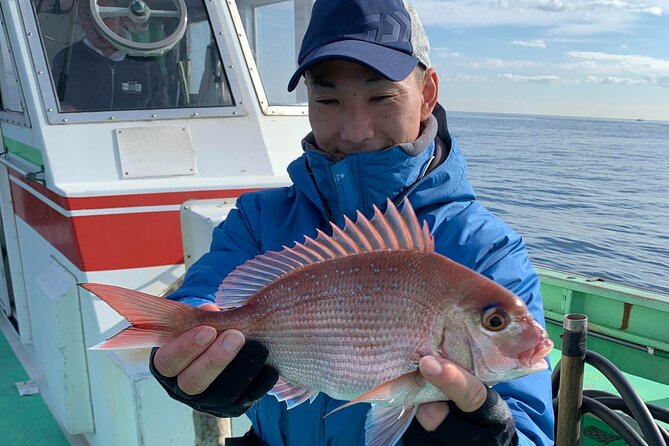
Most Tokyo activities are about seeing. This one is about doing. You’re not just touring a place; you’re joining a morning rhythm on Tokyo Bay where the main event is catching horse mackerel and turning it into food you can eat right after.
The pitch is simple: the guides teach you how to fish in English, and it’s described as very easy. That matters, because fishing can otherwise turn into awkward fumbling with equipment you do not fully understand. Here, the instruction focus is on making you productive quickly—so you spend less time staring at a rod and more time actually fishing.
The other big reason this works is the built-in competition vibe. You’re encouraged to compete with family and friends over who catches more, and the expectation is that catching more than 20 fish is not unusual. Even if you do not go for an exact number, that energy makes the whole trip feel like a game.
You can also read our reviews of more tours and experiences in Tokyo.
Timing in the real world: early pickup, morning fishing, Ginza finish
The schedule is structured around a classic fishing window. You’ll typically start with hotel pickup around 5:30, then fishing begins around 7:30 and ends about 11:30. The tour then wraps up around 13:00 at Ginza Station—times can shift with the season.
A small detail to watch: the start time is listed as 6:00 am in one place, while pickup is listed as 5:30. That gap is usually just how operators display meeting times versus pickup times. Either way, you should plan for an early morning. If you’re the type who enjoys sleeping late, this will feel like a trade-off.
What’s also useful here is that you don’t have to solve transportation on your own. Pickup is offered, and the add-on option can include transportation to and from your hotel. That gives you a simple plan: wake up early, meet your guide, and let the logistics run in the background.
Catching horse mackerel in Tokyo Bay: what you’re really aiming for
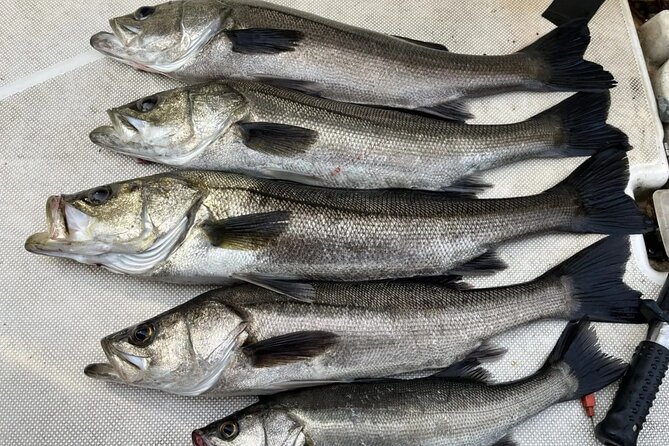
The target fish is horse mackerel. The notes say schools enter the bay from spring to autumn, which is why this species is a big part of the fishing plan. Horse mackerel is also described as the most common and tasty fish in Japanese households—so it’s not some exotic trophy fish. It’s a daily-life fish, which makes it a satisfying catch for a first-time angler.
Why that matters to you: you’re more likely to have action during the fishing session because horse mackerel are common and typically school in accessible ways for anglers. The experience also sets expectations that catching more than 20 fish can happen, and excitement around hitting that number is clearly part of the fun.
You’ll often hear that fishing is about patience. Here, the structure leans toward fast feedback: you cast, you get bites, and when your line comes up with fish, your morning gains momentum. That’s one reason families and beginners are called out as suitable.
The raw-eating part: fun, but follow the guide’s lead
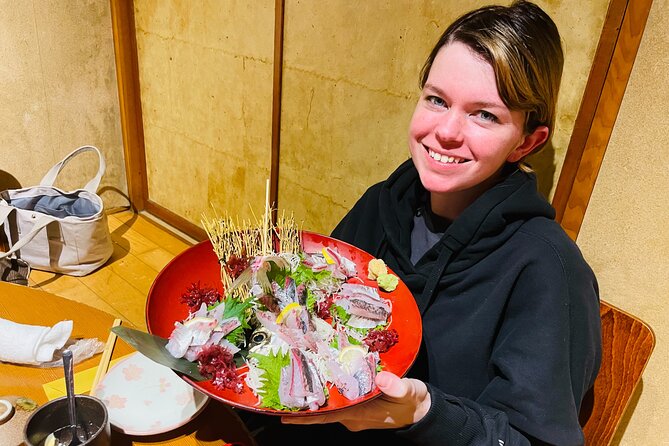
A major hook is that the fish you catch can be eaten raw. That’s a big deal, because it changes the whole point of the trip. Instead of just leaving with a story, you can leave with food.
That said, raw eating always comes down to technique and timing. This tour’s materials emphasize that the guides teach you how to fish and that eating raw is part of the experience, but they do not spell out preparation steps in the details you provided. So the practical advice is straightforward: do exactly what your guide instructs, and treat their process as part of the safety and quality plan.
Horse mackerel is also listed as a fish that works well in several Japanese preparations, including sashimi, grilled fish, tempura, and tartar. Even if you mostly think about the raw component, that variety is useful for keeping expectations flexible—because you might find the day’s handling depends on what you catch and how the guide plans the meal.
The English lesson: what you gain when instruction is built in
Fishing guides in Japan are often friendly, but language can still be a barrier. Here, the stated approach is that guides teach you in English, and the materials also note that the English-speaking staff is Japanese and may use a translation application.
That’s actually a good sign for you. It means the tour is designed to reduce confusion, even if your guide needs a tool to communicate specific terms. You should still be ready with basic fishing understanding, but you won’t be left alone with a rod and a shrug.
One highlight name to know: Moto. The review details praise Moto for being helpful and informative and for turning the experience into a real learning moment. That kind of guide-energy matters in a short tour: if the coaching is clear, you fish more effectively, catch more fish, and enjoy the boat time instead of just enduring it.
It’s easy, but not effortless: how to show up well
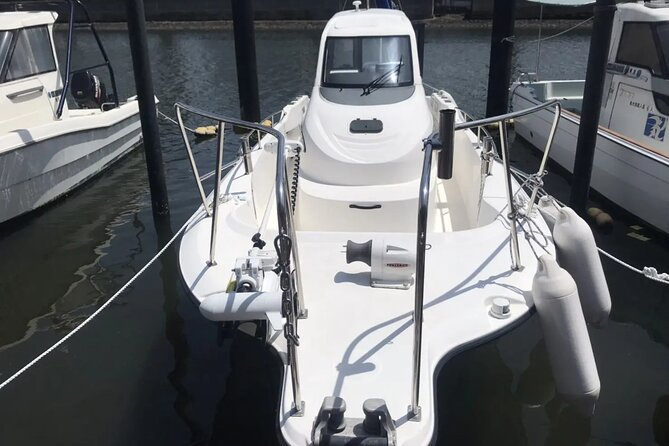
The tour is described as very easy, and even small children can participate. Still, easy does not mean no effort. The morning is active, and you’ll be doing repeated tasks like casting, handling the line, and staying focused while the boat moves.
Here are the practical things that make the difference:
- Wear clothing you can move in comfortably.
- Bring snacks and drinks because snacks are not included.
- Expect vending machines are available before fishing, which can help if you forget something.
- Be ready for basic ponchos in rain, since the tour generally proceeds in rainy conditions.
If your group includes kids, the competition framing can be a big motivator. The tour’s materials explicitly encourage you to compete with family and friends to see how many fish you can catch. That turns concentration into a game, which tends to work better for younger anglers than long lectures.
Gear and transportation: decide based on what you want included
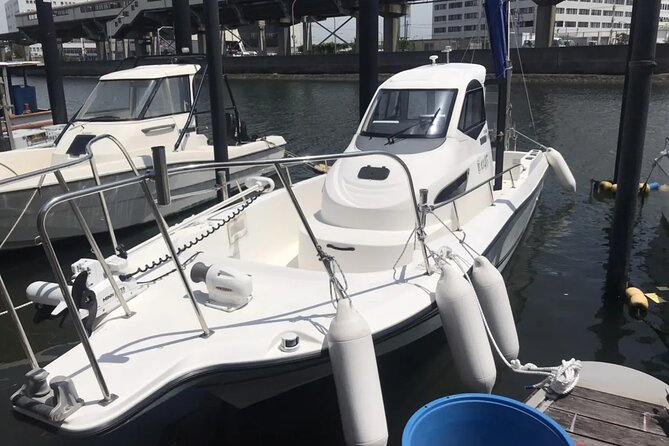
Your price is listed as $405, and the included portion is a guide to fishing in English. What is not included includes fishing tackle and private transportation. Then there is a key add-on: for an additional 20,000 yen per person, tackle and transportation to and from your hotel are provided.
This is where you should be a bit strategic. Ask yourself what you’re trying to optimize:
- If you already have a plan for tackle and you’re comfortable handling meeting points and transport yourself, you may prefer the base structure.
- If you want the smoothest morning possible—rod in hand, no extra steps, no searching around town—budget for the 20,000 yen add-on.
Even though pickup is described as offered, you’ll still want clarity on what type of transport it is and how it matches your location. Private transport is specifically listed as not included, so the add-on could be what turns it into true door-to-door help.
Bottom line on value: the cost makes sense if you treat this as a full guided morning experience, not just a fishing boat rental. You’re paying for a guide who can teach in English, for access to a Tokyo Bay fishing setup, and for a high-energy morning where you have a realistic shot at meaningful catches like 20+ fish.
What the boat time feels like (and why the group size matters)
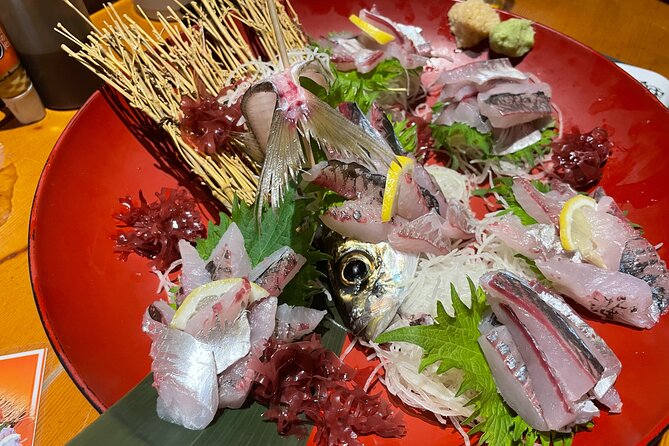
The tour has a maximum of 5 travelers. That small number is not just a comfort detail; it affects how the guide can work with you. With a bigger group, instruction tends to become general. With a smaller group, it’s easier for the guide to help you correct a casting motion or adjust what you’re doing so you can get bites.
A smaller group also makes the competition game easier to run. If you’re fishing with family or close friends, you’ll likely find it feels more like a shared activity than a strict class.
The morning schedule also helps the pacing. You start early, fish for a few focused hours, and then you’re back by early afternoon near Ginza Station. That means you don’t lose an entire day to the activity.
Weather and safety: what to expect when Tokyo changes its mind
Fishing is an outdoor activity, and weather plays a role. The materials say rain is handled with basic ponchos, and the tour will proceed as normally planned. That’s good for your planning because you’re not automatically stuck with a canceled day every time the sky looks uncertain.
If weather turns truly poor, the plan is either another date or a full refund. The key phrase here is that this activity requires good weather. So you should watch forecasts closely in the 24- to 48-hour window before you go.
Safety also comes up directly. Japanese fishing boats are described as very safe, but you’re still expected to carry comprehensive travel insurance for unexpected accidents. That’s a good reminder that boats and water always carry risk, even when operations are well run.
Food prep reality check: bring your own snacks and plan for the vending machines
Snacks are not included. The tour materials specifically advise you to prepare bread, rice balls, snacks, and drinks in advance, while noting that vending machines are available so you can buy things before fishing.
This is one of the simplest money-saving and comfort-maximizing moves you can make. If you show up hungry, your morning becomes harder. If you arrive prepared, you can treat fishing like a fun day out rather than a test of patience.
Also, because the fish can be eaten raw, you’re going to be curious about how it’s served and what it tastes like. You do not want to be distracted by hunger before that moment.
Who this tour is best for (and who might skip it)
This experience fits well if you like:
- Hands-on activities where you actually do the main work
- Food-focused travel where your catch can become a meal
- Family time with an easy pace and a built-in game
- Beginners who want real instruction in English
It may be less ideal if you:
- Hate early mornings and long structured starts
- Want a slow sightseeing day rather than an active morning
- Are trying to keep costs strictly to the base price, since tackle and private transportation may come via the add-on
Because the tour targets horse mackerel and emphasizes easy fishing, it’s a strong match for first-time anglers. If you’re an expert who wants a specific technique or a wide variety of species, you might still enjoy the fun, but the focus here is clearly action and repeatable catching.
A practical checklist before you go
You’ll enjoy this most if you prepare like a pro, even if you’re brand new to fishing.
Pack:
- Clothes you can wear while moving around
- A light rain layer or poncho support if you prefer your own
- Snacks and drinks (bread, rice balls, and small items are suggested)
- Anything personal you need for comfort on a boat
Plan:
- You’re leaving early and finishing near Ginza, so schedule the rest of your day accordingly
- Expect translations may happen with a translation application, so come with basic patience
Budget:
- Base guide-included price, plus consider the 20,000 yen add-on if you want tackle and transport
Should you book this Tokyo Bay boat fishing experience?
If your idea of a great Tokyo day includes getting on the water, learning something real, and leaving with a chance at fresh horse mackerel, this is an easy yes. The combination of English instruction, a small group, and the expectation of excited catches like 20+ fish makes it feel tailor-made for beginners and families.
If you hate early starts or you want full convenience without thinking about tackle and transport, make sure you understand what’s covered in the base price versus the 20,000 yen add-on. Once you match the package to your needs, the day is straightforward: early pickup, morning fishing, then you’re back by early afternoon near Ginza.
FAQ
Is the guide instruction in English?
Yes. The tour includes a guide to fishing in English, and the staff may use a translation application.
What fish will I be targeting?
The target fish is horse mackerel. It’s described as common in Tokyo Bay from spring to autumn.
Can I eat the fish raw?
Yes. The experience description says the fish you catch can be eaten raw.
Does the price include fishing tackle?
Not in the base included list. Fishing tackle is listed as not included, and there is an option to pay an additional 20,000 yen per person for tackle.
Is hotel pickup available?
Pickup is offered. Private transportation is listed as not included, but the add-on option includes transportation to and from your hotel.
What should I bring since snacks aren’t included?
You’re advised to bring bread, rice balls, snacks, and drinks in advance. Vending machines are available before fishing.
What happens if it rains?
Basic ponchos are provided, and the boat fishing tour will proceed as normally planned. If weather is poor enough to cancel, you’ll be offered another date or a full refund.