REVIEW · BARBATE
Barbate: Boat Tour to the Almadraba of Conil (Tuna Fishing)
Book on GetYourGuide →Operated by Marine Atlantes · Bookable on GetYourGuide
Tuna fishing meets real engineering. On this Barbate boat tour, you learn how the Almadraba of Conil uses nets, anchors, and timing to intercept bluefin tuna on its age-old migration route. I like that you’re not just watching from a distance; you get the story of how each section works, including the codend and the levantá. I also like the tuna tasting on board, which turns the day’s subject into a flavor you can actually compare. One possible drawback: if the sea is rough, motion sickness is real, so plan for it.
This tour runs with Marine Atlantes and includes narration in Spanish and English, plus an English audio guide. You also get a real sense of place as you pass the area around the Trafalgar Lighthouse and head across toward Conil through the Strait of Gibraltar. For anyone who wants a focused, guided look at a traditional fishing system, this is one of the more value-minded ways to spend a half-day on the water.
In This Review
- Key highlights you’ll care about
- Barbate Port to Conil Almadraba: why this route feels different
- The crossing: Strait of Gibraltar narration you can follow
- Almadraba basics: nets, anchors, and the “labyrinth” idea
- Positioning for the haul: why being 100 meters out matters
- The key moment: currents stop, tide turns, and the raised codend
- From Japan to Andalusia: Lupara and ikejime explained for quality
- Seeing the catch come ashore: unloading at port
- Food on board: coffee and pastries out, tuna tasting back
- Price and value at about $225 per person
- Practicalities: what to pack and how to plan for sea conditions
- Who this tour fits best (and who should think twice)
- Should you book the Barbate Almadraba boat tour from Marine Atlantes
- FAQ
- Where do I meet for the tour?
- How long is the tour?
- Is Marine Atlantes authorized for this Almadraba activity?
- What languages are offered?
- What food and drinks are included?
- Will I see the fishing maneuver up close?
- Will I be able to watch unloading at port?
- What should I bring?
- Is there anything I’m not allowed to bring?
- What if weather affects the visit date?
Key highlights you’ll care about
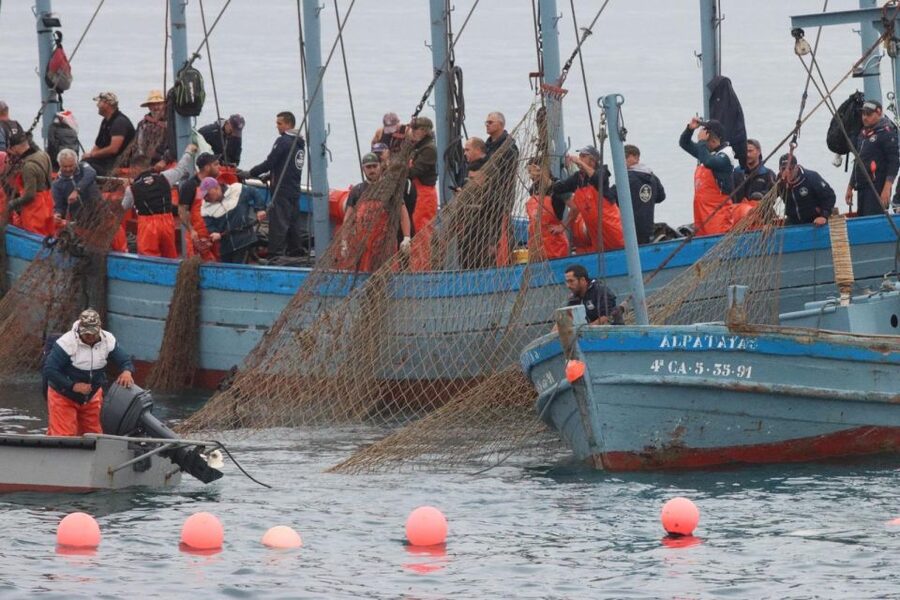
- Only authorized operator: Marine Atlantes is the company authorized for this activity through the Almadraba group
- Up-close viewing of the trap mechanics: you’ll be positioned about 100 meters from the codend for the key maneuver
- Clear explanation of timing: the crew connects the operation to current conditions and tide change
- Big names from the process explained: sacada, levantá, and the idea of the tuna moving under the boat
- Tuna handling techniques: you’ll hear about Lupara and ikejime and why they’re used
- Food that matches the theme: coffee and pastries on the way out, plus tuna tastings and drinks on the way back
Barbate Port to Conil Almadraba: why this route feels different
Barbate is a practical launch point because it’s right where you can comfortably reach the fishing area without turning the day into a long transit slog. More importantly, the Almadraba itself is an active fishing system, not a museum piece. That changes how you experience the boat ride: you’re watching a living method that depends on currents, timing, and crew coordination.
I like that the tour is built around understanding the trap structure—nets, placement, anchors—before you see the critical moment. You’ll hear how the system has evolved over centuries, and how people learned to take advantage of a predictable tuna migration pattern.
A detail that makes this tour feel more authentic is the company emphasis: Marine Atlantes is described as the only authorized option for the Almadraba activity. In practice, that means you’re more likely to be on the right kind of boat and positioned for the operation, instead of drifting in a generic sightseeing rhythm.
The crossing: Strait of Gibraltar narration you can follow
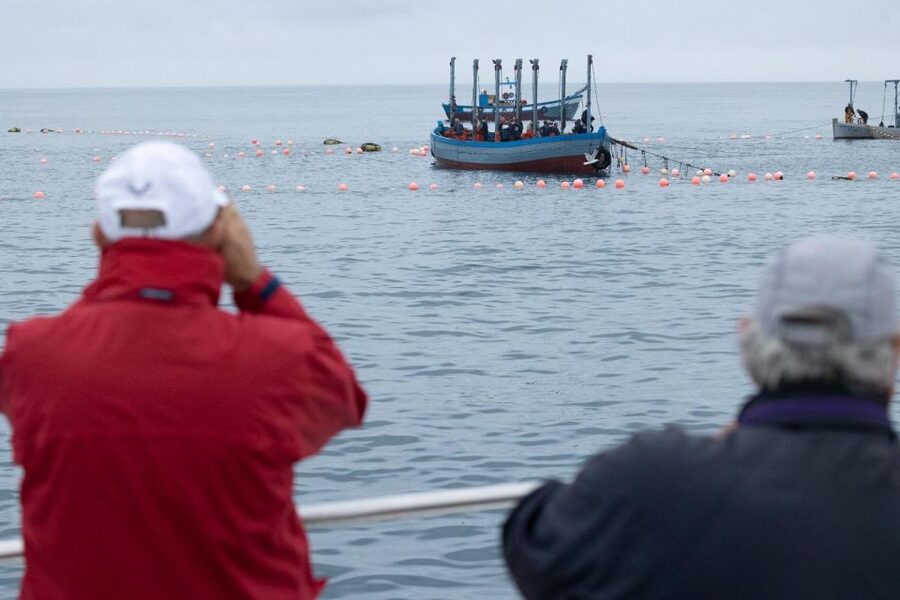
Once you leave Barbate Marina, you head toward the Almadraba of Conil, with about an hour of crossing described as the key travel time. During that stretch, you’re not stuck in silence. The crew walks you through the fishing gear, its long history, and the basic biology behind the setup.
You’ll also get context on why these waters matter to Atlantic bluefin tuna. The tour explains the migratory process bringing tuna from the Atlantic toward the Mediterranean, through the Strait of Gibraltar, and how humans shaped a fishing operation around that path.
If you’re a visual person, this helps. You can start placing the words you hear onto what you later see: sections of the structure, what the divers are doing, and why the boat’s position relative to the codend matters.
Almadraba basics: nets, anchors, and the “labyrinth” idea
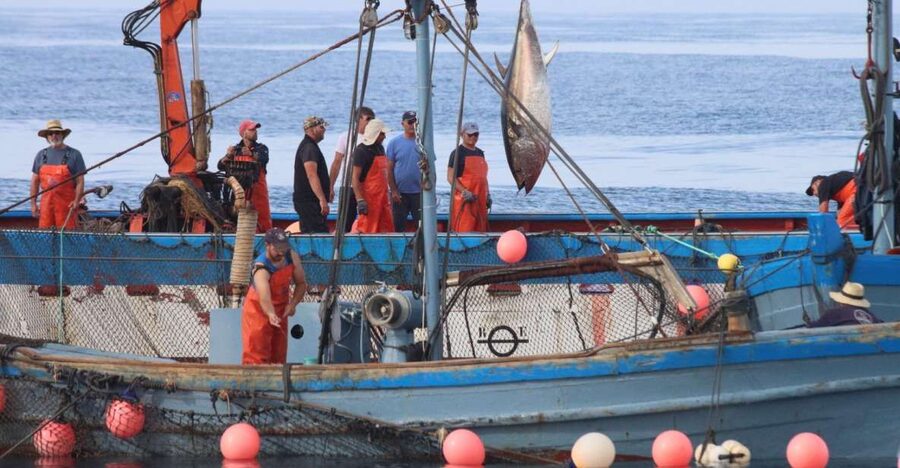
The Almadraba system can sound abstract until you’re hearing it broken down into parts. This tour’s narration focuses on how the nets are constructed and placed, including large anchors and the labyrinthine way the structure is arranged. That’s useful because the final maneuver depends on how the whole system works together.
You’ll also learn that the operation is tied to real conditions, not just tradition. Currents matter, tide matters, and the crew treats these as triggers for action. That’s where the experience becomes more than a story: it’s practical ocean physics paired with a centuries-old craft.
You’ll likely start seeing the words codend and levantá as more than vocabulary. They become reference points for what you’re about to witness.
Positioning for the haul: why being 100 meters out matters
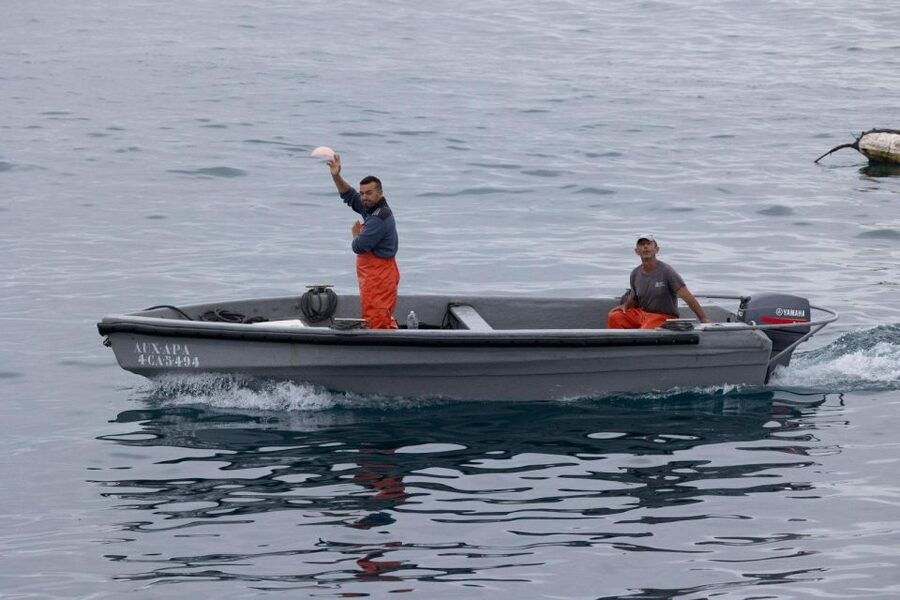
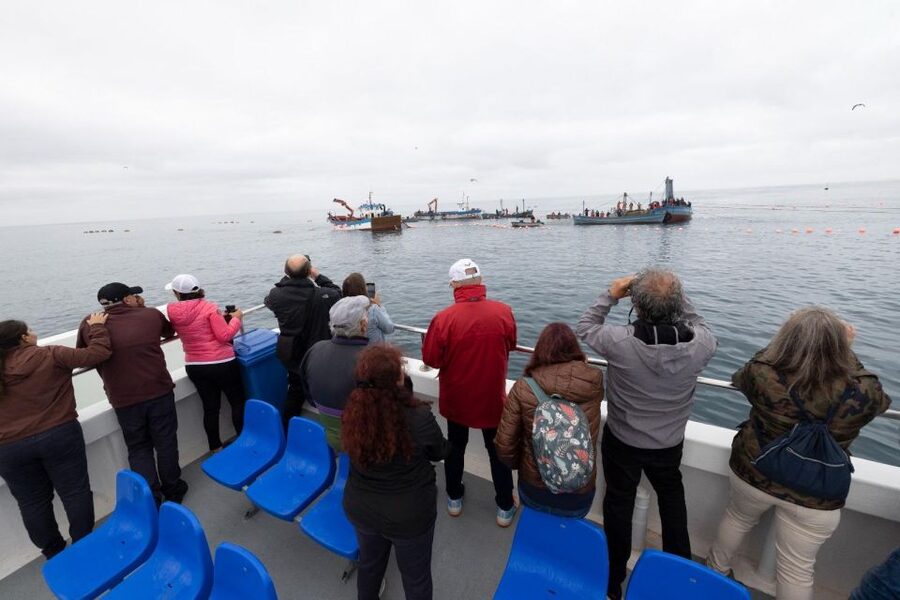
When the fishermen are ready, the boat approach is planned to avoid interfering with the delicate operation. The tour description says they place the boat about 100 meters from the codend, the final part of the structure where the levantá takes place.
For your viewing comfort, this matters. If you’re chasing the best angles, you might be tempted to wander until you find the perfect view. One review notes that people sometimes moved around searching for where they should stand, so you may want to pick a spot early and then adjust only if the crew directs it.
The good news is that the whole operation is explained as it happens. You’ll understand what you’re looking for, when to expect movement, and which conditions decide whether the day’s fishing works.
The key moment: currents stop, tide turns, and the raised codend
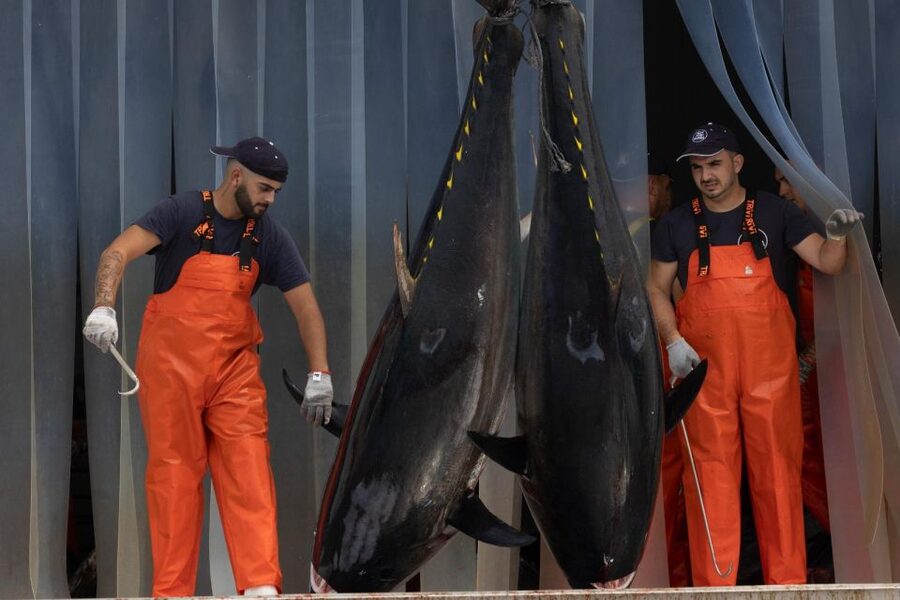
This is the heart of the tour. The description is clear that when currents in the Strait ease, coinciding with the exact moment of the tide change, the maneuver begins. That connection between time and tide is part of the magic here. It also tells you why tours can’t always guarantee the same outcome on demand.
As the maneuver starts, you’ll observe the boat called the sacada. It’s where the crew works to raise the codend net once divers give the signal that the tuna have passed under the boat. The tour also emphasizes that this moment is vital because it determines the success of the fishing day.
Then you’ll see the idea of lifting from depth. The codend net is described as being lifted from about 30 meters. As tuna are secured, you’ll observe the codend net approach the closing boats, and the movement of the tuna near the surface becomes noticeable.
Even if you’re not a fishing expert, the crew’s narration makes it easier to track the steps. Think of it as a live diagram that’s moving in real time.
From Japan to Andalusia: Lupara and ikejime explained for quality
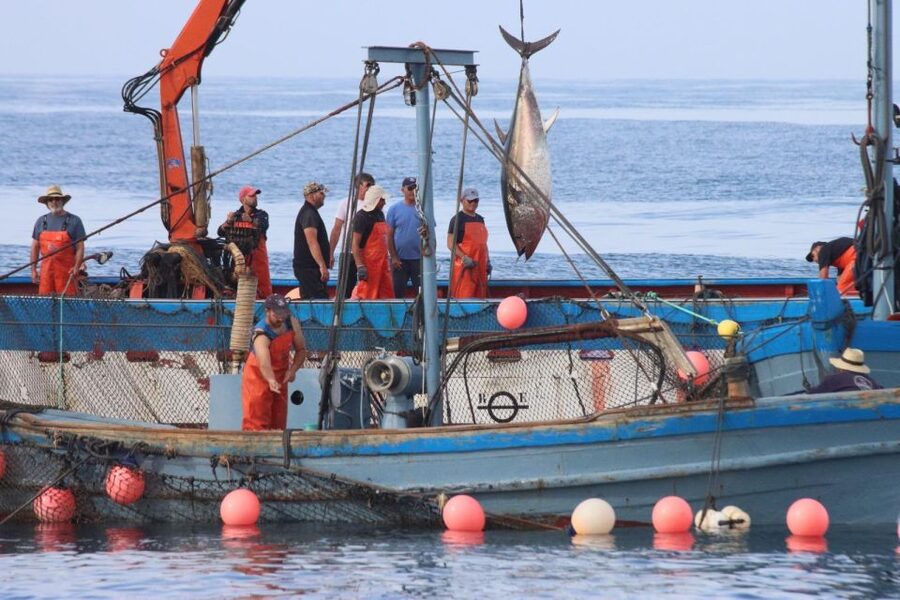
Once tuna are secured, the tour discusses slaughter and handling techniques described as imported from Japanese culture, specifically Lupara and ikejime. The point isn’t shock value. The goal is to explain how the catch is managed to reduce suffering and protect quality.
That matters to you as a eater and buyer. If the handling is designed to keep the tuna in the best possible condition, the tasting later on the same tour isn’t just a souvenir snack. It’s connected to why bluefin tuna is treated with such care once it’s caught.
You also get the sense that this isn’t a free-for-all harvest. There are steps, roles, and timing decisions, and the crew treats each part as part of the chain that ends at the tasting.
Seeing the catch come ashore: unloading at port
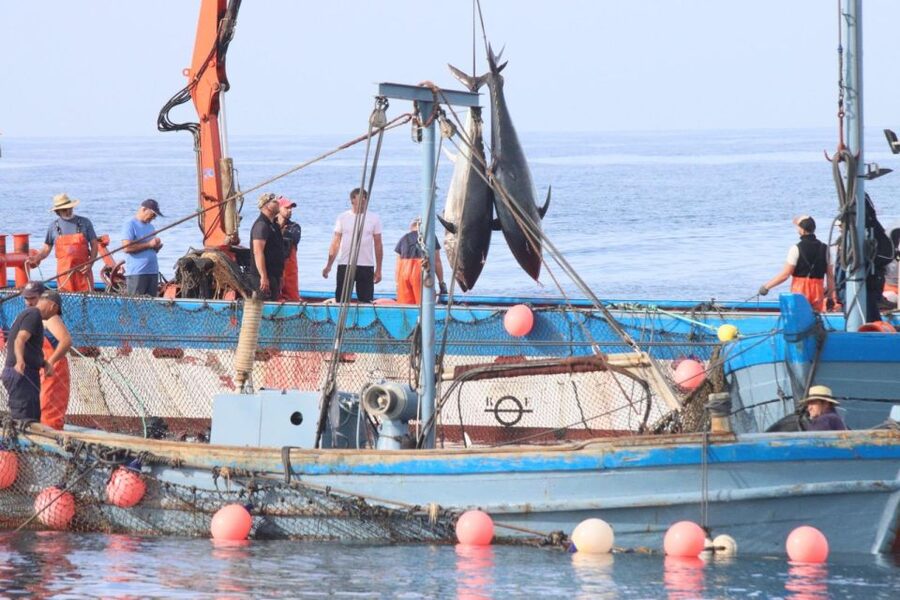
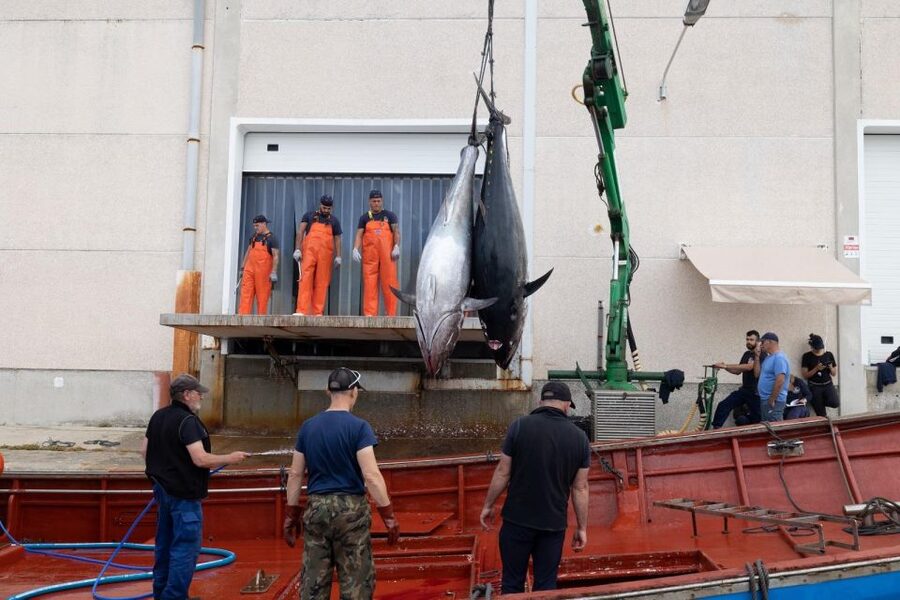
Once the first boats with tuna leave the codend, it’s time to head back to port. You’re not going just to watch a boat ride and then call it a day. A key included component is that you’ll wait to see the unloading of the captured tunas in port (or from a factory boat).
The description specifies that you’ll see unloading, not cutting up. That’s a subtle but important distinction if you’re sensitive to how seafood processing is shown. It also keeps the focus on the fishing process rather than a performance of butchery.
This port moment is where the tour becomes grounded. Up to this point, it’s mostly ocean, mechanics, and narration. When you see the tuna come ashore, you can connect the words—codend, levantá, sacada—to the real product.
Food on board: coffee and pastries out, tuna tasting back
I like that the tour doesn’t treat food as filler. On the way out, you have breakfast that includes coffee and pastries. It’s a practical start, especially if you’re going to be on the water and then waiting for the operation to unfold.
On the way back, the tour includes a tasting of tuna in its different varieties, paired with drinks. That gives you something useful: a chance to compare how tuna can taste when handled in a way aimed at preserving quality.
If you like culinary travel that still connects to real-world process, this is where it clicks. You don’t just learn about the fishing method; you taste what that method is meant to deliver.
Price and value at about $225 per person
At $225 per person for a roughly four-hour experience, you’re paying for several things at once: boat time from Barbate Marina, a guided explanation, access fees tied to the Almadraba, and the food and tastings.
When you break it down, the value isn’t just the boat ride. The real “bundle” is authorization plus instruction plus access to the key fishing operation, plus on-theme tastings. For tours like this, the authorization piece matters because the Almadraba group relationship is part of how you get the right experience at the right moment.
If you compare this to general coastal cruises, this one is more expensive. But it’s also more specific. You’re not looking at the coast; you’re watching how a traditional fishing system works, then tasting the result.
Practicalities: what to pack and how to plan for sea conditions
Bring a passport or ID card, plus a sun hat and sunscreen. Comfortable clothes matter because you’ll be on a boat and likely moving between viewing positions as the crew guides the operation.
Binoculars are also listed, and you’ll be glad to have them. When you’re watching fishing maneuvers and boats working as part of the trap system, small details can matter.
One practical tip comes straight from experience: if the sea is moving, consider taking Biodramina for motion sickness. A review specifically flags this, and it makes sense given the nature of open-water viewing and the waiting that comes with it.
Also, no drones are allowed, and pets are not allowed. The tour also notes no food. So plan on the included breakfast and tastings, and don’t count on stopping for snacks mid-ride.
Who this tour fits best (and who should think twice)
This is a great fit if you want hands-on learning with a guided structure. If you like hearing how something works—nets, tides, timing, and the roles of different boats—this tour gives you that.
It’s also a good match for food lovers who care where ingredients come from. The tasting isn’t random. It’s directly tied to a fishing method and how the catch is handled.
You might think twice if you hate boats, hate waiting, or get motion sick easily. Because the key maneuver depends on tide and currents, you’re signing up for real ocean time rather than a tightly scripted show.
Should you book the Barbate Almadraba boat tour from Marine Atlantes
If you want a traditional tuna fishing experience that’s tied to the real operation and not just a scenic cruise, I’d lean yes. The strongest reasons are the authorized nature of the experience, the clear narration that helps you understand what you’re seeing, and the fact that you finish with a tuna tasting that connects the day’s learning to food.
If you’re unsure, use your own comfort level with sea conditions as the deciding factor. Pack for sun and movement, consider motion sickness support if you need it, and aim to be present for the key timing moment so the explanation can land.
Finally, if you have flexibility, booking early is smart. The tour notes the fishing quota marks the end of the season, so availability can narrow.
FAQ
Where do I meet for the tour?
You meet at Puerto Deportivo, s/n, 11160 Barbate, Cádiz.
How long is the tour?
It’s listed as 4 hours.
Is Marine Atlantes authorized for this Almadraba activity?
Yes. Marine Atlantes is described as the only company authorized and advised for the development of this activity by the Almadraba group and its tourist subsidiary.
What languages are offered?
The live tour guide is available in Spanish and English, and an English audio guide is included.
What food and drinks are included?
Breakfast includes coffee and pastries on the way out. On the way back, there is a tasting of tuna in different varieties with drinks.
Will I see the fishing maneuver up close?
You’ll be positioned about 100 meters from the codend during the key maneuver, and the crew explains what you’re observing as the operation begins with changing tide and reduced currents.
Will I be able to watch unloading at port?
Yes. The tour includes watching tuna unloading in port or from a factory boat.
What should I bring?
Bring your passport or ID card, a sun hat, sunscreen, comfortable clothes, and binoculars.
Is there anything I’m not allowed to bring?
Pets, weapons or sharp objects, drones, and outside food are not allowed.
What if weather affects the visit date?
Tour dates can change due to weather. The advice is to stay in the area for two or three days so you have room to move the visit forward or back by one day, with notifications sent as far in advance as possible.