REVIEW · HANGA ROA
Ancestral fishing: Fishing with an experienced Rapa Nui
Book on GetYourGuide →Operated by Kapua Tours & Experience · Bookable on GetYourGuide
Fishing with local knowledge changes the mood. This is a 3-hour ancestral fishing outing with a native Rapa Nui crew, plus quick cultural stops around Hanga Roa that turn a boat trip into something more personal. I like the step-by-step attention from the fishermen, and I like that you’re not just dropped onto the water—you learn the process, gear included. The main downside is simple: fish don’t always cooperate, and with a short trip you may have to accept a slower day at sea.
I also like how the timing is built for you to fit this into a busy island schedule. You’ll start with hotel pickup, move through several on-land stops, then spend real time out on the coast with snorkeling equipment and life jackets included. At $180 per person, it’s not a budget activity, but you are paying for native guidance and included equipment that gets you actually fishing instead of just sightseeing.
In This Review
- Key highlights you’ll feel right away
- Ancestral fishing off Easter Island: the real point
- The 3-hour flow: pickup, Hanga Piko, a photo stop, and the big water block
- Meeting the Pacific: fishing method, snorkeling gear, and what to do if bites slow
- Culture stops that actually connect to the fishing theme
- Price and value: why $180 can be fair (or not)
- The dinner question: fish might be prepared, but food isn’t included
- What to pack for a wet ocean outing from Hanga Roa
- Who this tour fits best on Rapa Nui
- Should you book ancestral fishing with a Rapa Nui guide?
- FAQ
- How long is the ancestral fishing experience?
- Where does the tour start and what area do you return to?
- Do I get picked up from my hotel?
- What languages are available for the tour guide?
- What’s included in the price?
- Is food included?
- What should I bring?
- Is this a private group tour?
- Can I cancel for a refund?
Key highlights you’ll feel right away
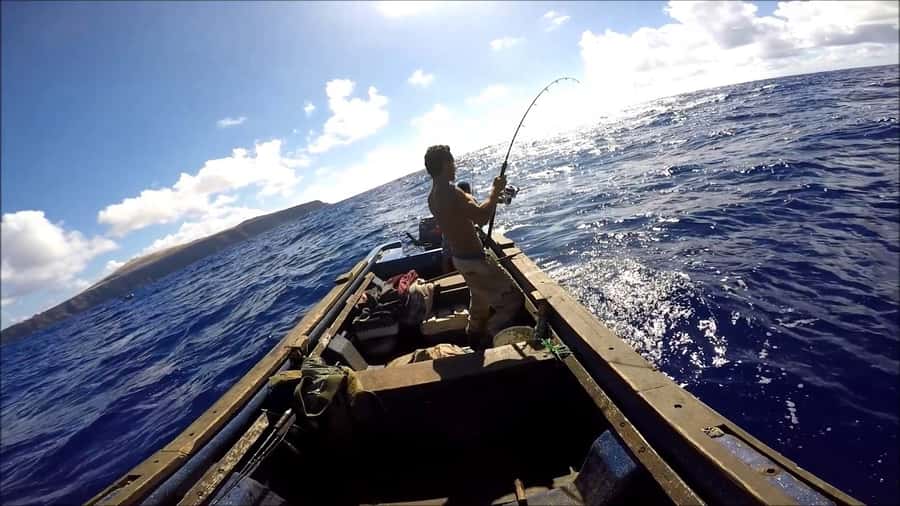
- Native Rapa Nui fishing guidance that helps you understand the whole method, not just the catch
- Pacific Ocean time with snorkeling equipment in your bag
- Short cultural stops around Hanga Roa that break up the trip and add context
- Private group feel, so the experience stays personal
- A hands-on catch, with the added note that you may need to handle transport yourself
Ancestral fishing off Easter Island: the real point
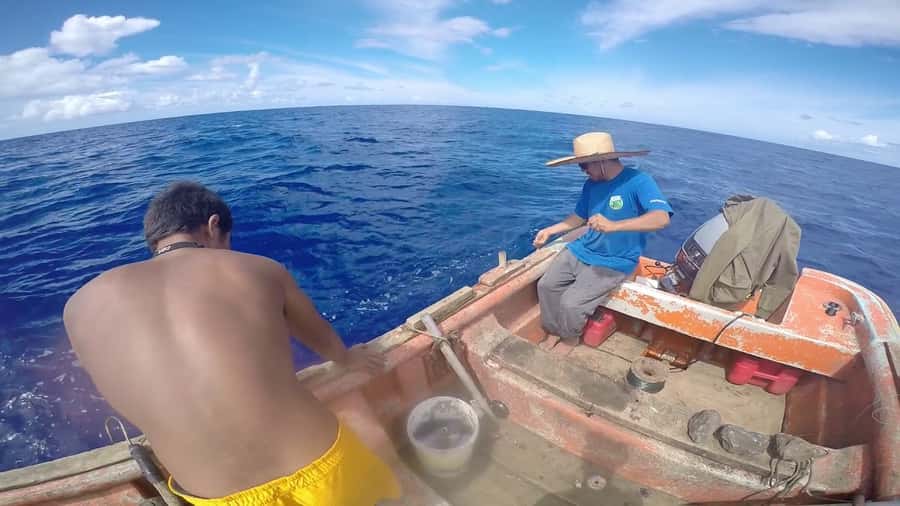
On Rapa Nui, it’s easy to think you’re there mainly for moais. This tour works because it gives you another angle: how people traditionally fed themselves from the sea, with techniques passed down through local knowledge. Even on a day when fish are slow, the focus isn’t on miracles—it’s on learning how the fishermen work the water.
What makes it feel different is the crew itself. You fish with experienced Rapa Nui fishermen who guide you through each stage, from preparing the equipment to trying the spots where fish are more likely to appear. That structure matters. It turns “I hope I catch something” into “I know what I’m doing and why we’re moving.”
And yes, the ocean scenery is part of the package. When you go out into the Pacific from Easter Island, the coast feels huge and open in a way you don’t get from land. You’re not hiding behind a viewpoint—this is hands-on seafaring.
The 3-hour flow: pickup, Hanga Piko, a photo stop, and the big water block
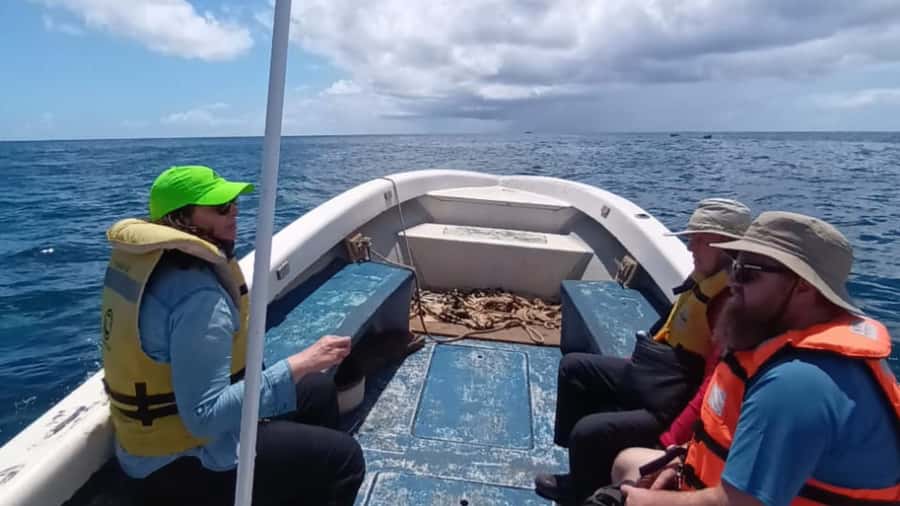
You’ll be picked up in Hanga Roa and taken back after the trip, with pickup arranged from wherever you want. That convenience is worth something on an island where time can disappear fast.
The experience moves in short chunks:
First stop: Hanga Roa to Hanga Piko (about 10 minutes).
This is a guided moment that acts like a warm-up—enough time to orient you without dragging the trip out. If you like having context before you head out, this helps.
Next: Ana Kai Tangata (about 10 minutes) for a photo stop.
This is brief by design. If you want a slow, lingering look at every site, this isn’t that tour. But for most people, a photo stop is a good way to connect the day’s theme—food and survival—with the island’s places.
Then the long stretch: around 2 hours at the guided point labeled 554GVCR7+PCW.
This is where the time concentrates. Practically, this is the block that turns the trip into fishing rather than just wandering. Expect the main work—equipment setup, guidance, and your fishing time—to happen during this phase.
From a value standpoint, I like that the schedule doesn’t pretend fishing is a full-day commitment. Three hours is just enough time to learn, try, and get back for the rest of your day on Rapa Nui.
Meeting the Pacific: fishing method, snorkeling gear, and what to do if bites slow
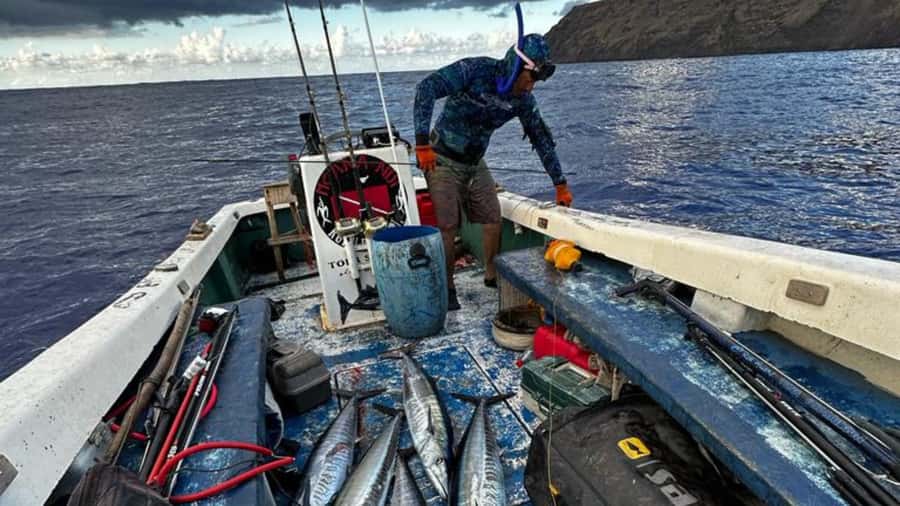
You’ll head out by boat to fish in the Pacific Ocean with your Rapa Nui guides. The tour description is clear that the fishermen are experts in their techniques and will guide you through every step, including catching fish. That’s important because fishing off the coast isn’t the same as shoreline fishing at home. The “how” matters.
Even better, snorkeling equipment is included. The tour doesn’t market this as a full snorkeling session, but having the gear gives you options. If conditions allow and your group is interested, you can use that ocean time beyond just casting lines. This is one of those inclusions that feels small until you’re out there and realize you didn’t have to plan or rent anything.
What about fishing success? You should go in with realistic expectations. On a less active day, you won’t be able to force fish to bite. The helpful part is that the guides work the water instead of giving up immediately. You should expect them to steer you back and forth through areas they know, trying for the best chance of a catch.
If you’re the type of person who gets frustrated when plans aren’t perfect, treat this like an effort-based outing. You’re there to learn a local method and spend time at sea with people who know the coast.
Culture stops that actually connect to the fishing theme
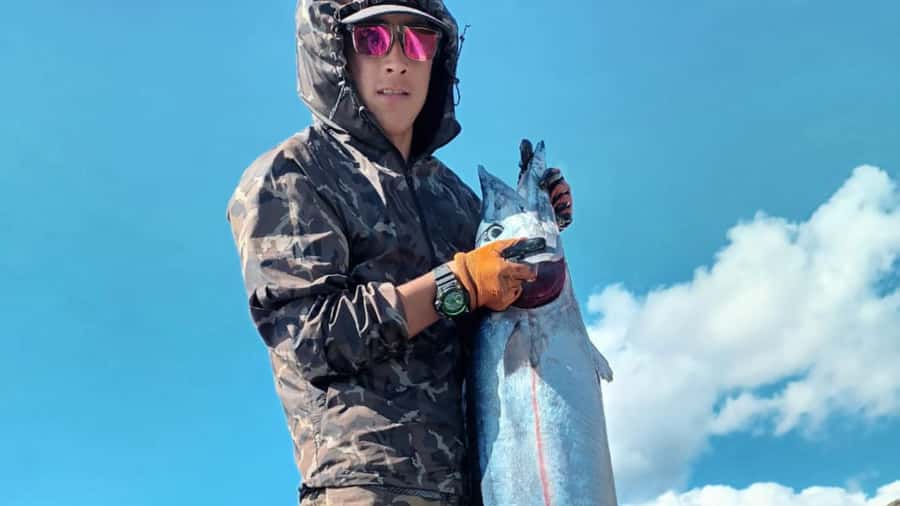
What I appreciate about this tour is that it doesn’t split your day into two unrelated halves: moai sightseeing on one side and fishing on the other. Instead, you get short guided moments and a photo stop that tie into the wider story of how people lived on Rapa Nui.
Hanga Piko is quick—just enough to get a guided introduction without eating your ocean time. Ana Kai Tangata is even shorter as a photo stop, so don’t schedule this day expecting a deep archaeological experience. Still, it’s a good reminder that this island’s identity isn’t just monuments. Food, community, and place all matter.
The long guided block at 554GVCR7+PCW is where the day makes its case. Even if you don’t know the names ahead of time, you’ll feel the shift from land context to sea action. That transition is the tour’s strength.
Price and value: why $180 can be fair (or not)
At $180 per person for about 3 hours, this sits in the mid-to-higher range for Easter Island activities. That’s not automatically bad—it’s the right price when what you’re buying is specialized local knowledge plus included gear.
Here’s what you’re getting that justifies some of that cost:
- hotel pickup and return within your chosen pickup point
- life jacket and fishing equipment provided
- snorkeling gear included
- a private group format (so you’re not fighting for space or waiting on strangers)
- native Rapa Nui fishermen guiding you through the whole process
Where the price might feel steep is if you expect a sure thing. Fishing isn’t guaranteed, and this is only a 3-hour window. If you need a heavy success-rate day for your holiday, you may prefer a different kind of ocean tour where the main value isn’t the catch.
My rule of thumb: book this if you want the experience of fishing with real local expertise, not just if you want dinner or a photo that depends on timing.
The dinner question: fish might be prepared, but food isn’t included
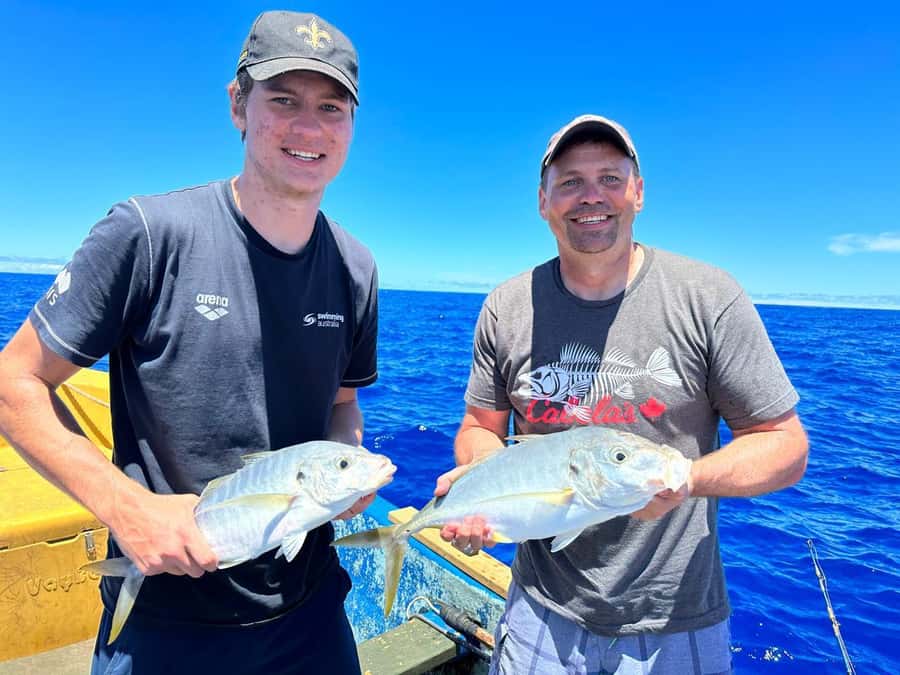
This is one of those spots where you should be a little careful. The experience description says the fish you catch will be prepared by the fishermen so you can enjoy it as a delicious local dinner. But the activity details also state that food is not included.
So what should you do? Assume you may not automatically receive a full meal. Treat any dinner as a possibility tied to your catch and the day’s plan. If eating is part of your budget math, ask your operator ahead of time what you’ll get and when.
Also consider storage. If you bring the intention of taking fish somewhere to cook it, remember you may not get filleted fish automatically. One practical tip: plan how you’ll keep it cold and contained. A cooler and bags (or a container system) are smart, not optional, if you want to avoid turning your transport into a mess.
What to pack for a wet ocean outing from Hanga Roa
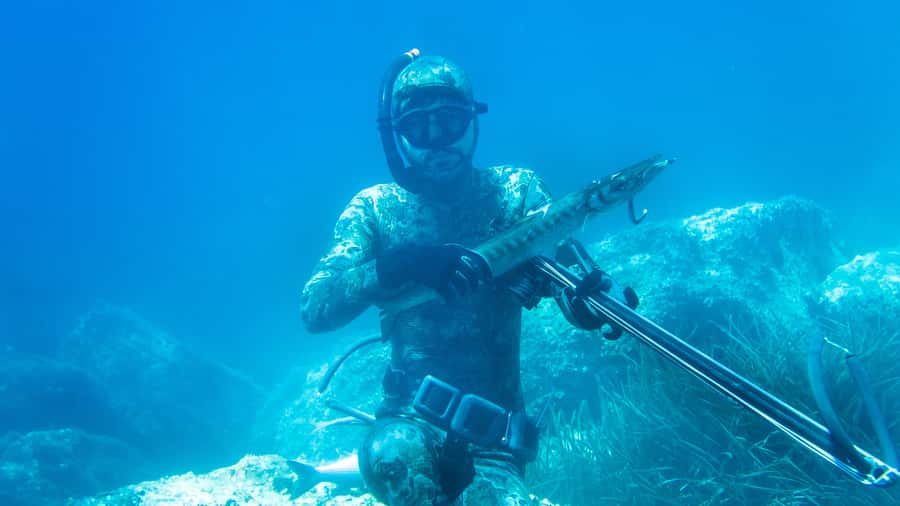
This is the kind of tour where what you wear affects your comfort more than you think. Bring the basics and expect saltwater and splashes.
Use the provided guidance as your starting checklist:
- comfortable shoes (you’ll be handling gear and moving around)
- a change of clothes
- sandals for downtime, not for the main “working” time
- sunscreen
- beachwear
I’d also add one travel-style recommendation: pack something for keeping small items dry. Even with a life jacket, you’ll likely handle lines and tackle in a salty environment.
If you’re sensitive to sun, bring extra protection. Pacific weather shifts fast, and you’ll be exposed while the boat is moving and you’re out on the water.
Who this tour fits best on Rapa Nui
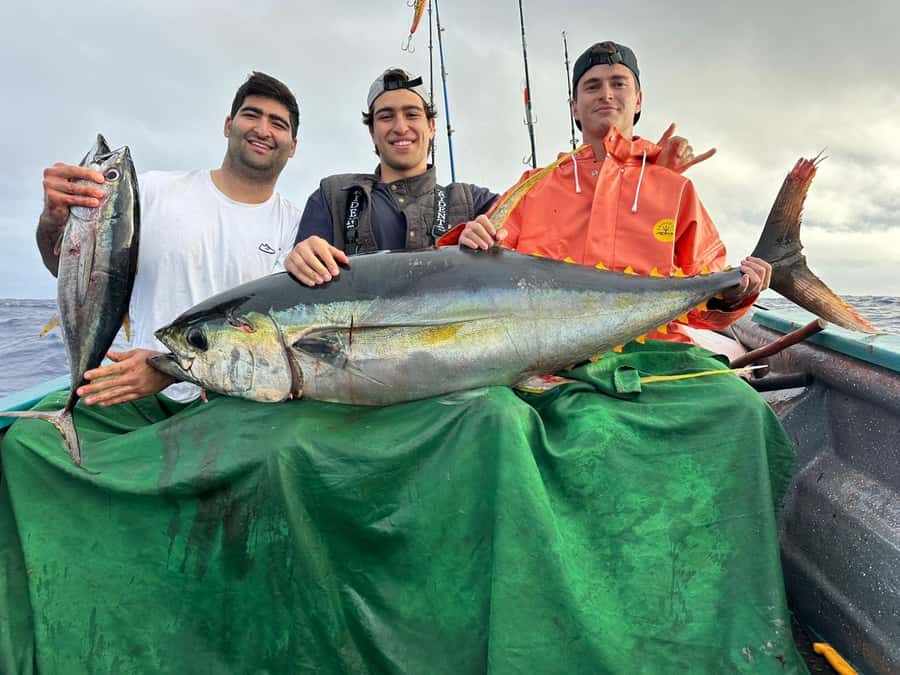
This is ideal for:
- people who like hands-on activities
- fish lovers who want to learn a technique and not just toss a line
- couples or small groups who want a private feel
- visitors who want more than moai photos and ocean views
It may be less ideal if:
- you want a long, slow museum-style history lesson (this isn’t that)
- you need guaranteed fishing success
- you don’t like weather-dependent plans
Language is also a factor. The tour guide can work in English or Spanish, so choose based on your comfort level. If you’re relying on low-intermediate Spanish, I’d strongly consider booking in English so the instructions are easy to follow when you’re actually holding the gear.
Should you book ancestral fishing with a Rapa Nui guide?
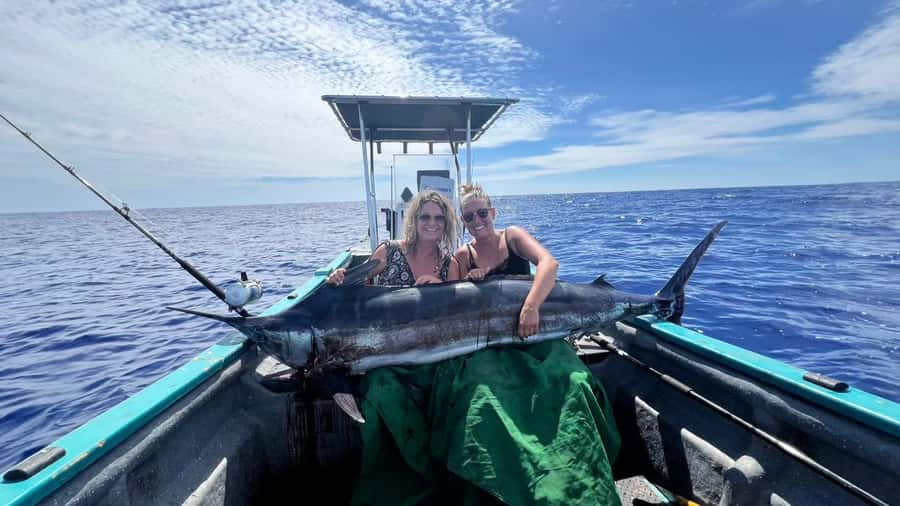
Book it if you want a real local seafaring experience with cultural context, and you’re happy to treat fishing as part learning and part luck. The value improves if you care about the method—prepping the equipment, understanding how the fishermen work the water, and spending focused time on the Pacific.
Skip it if your main goal is a guaranteed catch, a full meal included in the price, or a long land-based sightseeing day. For those needs, a different type of tour will likely fit better.
If you do book, go in prepared. Bring a change of clothes, protect your skin from the sun, and plan for the possibility of a slower bite day. You’ll get more out of it that way.
FAQ
How long is the ancestral fishing experience?
The duration is 3 hours.
Where does the tour start and what area do you return to?
Pickup is in Hanga Roa, and you return back to Hanga Roa at the end.
Do I get picked up from my hotel?
Yes. Pickup and return to the hotel are included, and pickup can be arranged from any place you want.
What languages are available for the tour guide?
The live tour guide is available in English and Spanish.
What’s included in the price?
Included are pickup and return, snorkeling equipment, a life jacket, and fishing equipment.
Is food included?
Food is not included.
What should I bring?
Bring comfortable shoes, a change of clothes, sandals, sunscreen, and beachwear.
Is this a private group tour?
Yes, it’s a private group.
Can I cancel for a refund?
You can cancel up to 24 hours in advance for a full refund.